

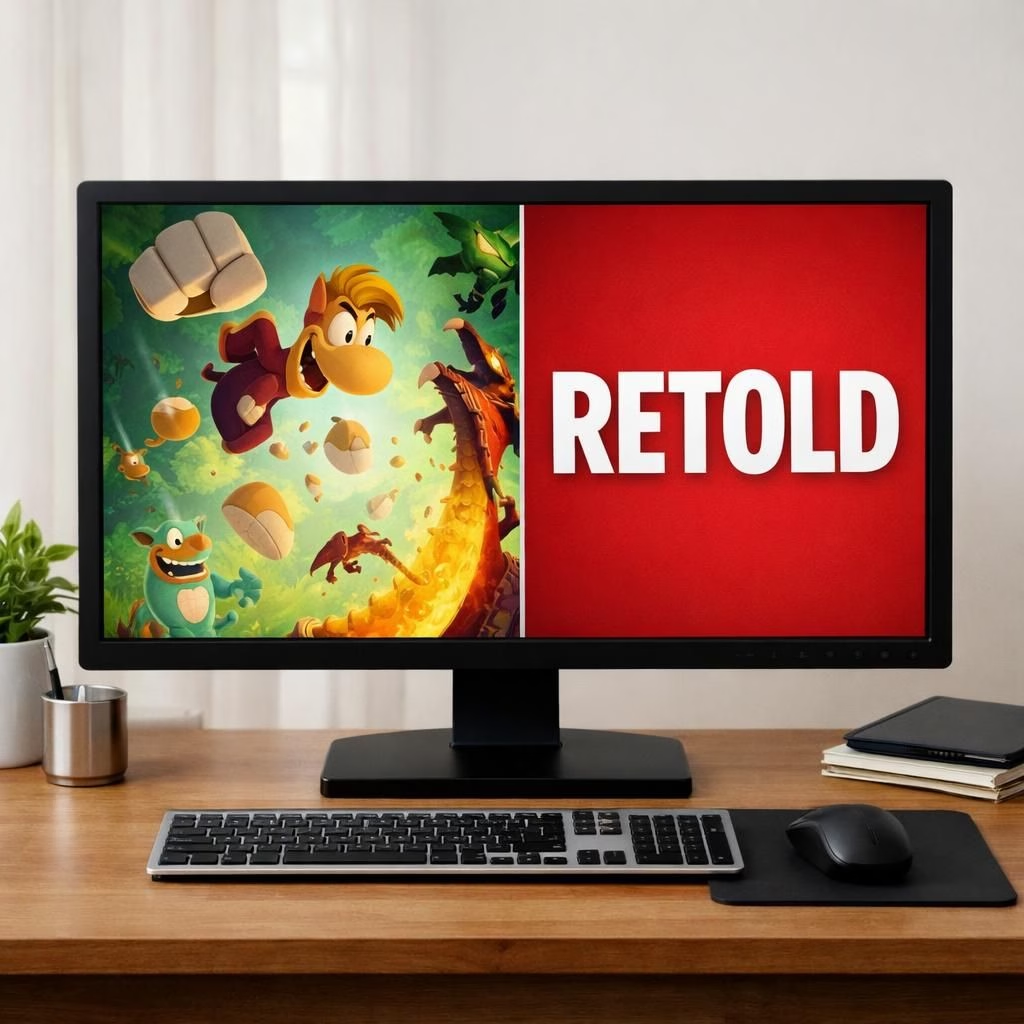
Rayman Legends fans woke up to a chatter-filled morning about a rumored remake, cheekily dubbed Retold, with whispers of upgrades and new features. The buzz blends nostalgia with modern polish as insiders weigh in on what a 2026 re-release might bring, from control tweaks to improved visuals. In this post, we explore the leak’s impact on the community and what a future release could mean for fans. The rumors feel more like a casual alley discussion between veteran players and curious newcomers than a stadium-level wave of hype. A few outlets have begun mapping plausible changes, from refined camera work to smoother loading times, all while trying to preserve the game’s signature rhythm. The core message is simple: even a leak can spark a constructive debate about how to honor a classic while inviting new players to join the party, and that tension is exactly where this story lives. Across forums and streams, people debate whether a remake should preserve every pixel or trust modern senses of pace and responsiveness. The dialogue is lively but civil, with veterans offering pointers on level geometry and newcomers asking about accessibility options. The tone stays hopeful: a well-executed update can widen the circle without muting the punch that defined Rayman Legends.
Rayman Legends Reimagined: What the Retold Label Signals
Beyond the chatter, the practical question is what a ‘Remake’ or ‘Remaster’ should deliver. The presence of the label signals attention to detail: updated textures, smoother animations, and careful rebalancing of old levels. For players who remember the classic beat, the focus is on rhythm fidelity, not radical overhaul. If a future iteration respects the core loop and provides optional accessibility features, it could win broad approval. The long tail of this story is that Rayman Legends remains a touchstone for platforming fans, and the conversation about how a new version should feel continues to spark thoughtful debate across forums and streams. The Retold label could also set expectations for a measured pace, blending nostalgia with modern polish. While some might crave a fresh coat of paint, others seek a faithful revival that preserves the playful timing that defined the original. Either outcome will depend on balancing speed, precision, and charm in equal measure, with early demos serving as a kind of collective warm-up for the main event.
Retold Remix: A Friendly Guide Through the Rumor Mill
Leaks rarely paint the full picture, but a label could hint at preserving core mechanics while updating the tech stack. The Retold label suggests a careful blend of old rhythm and new tech, not a full-blown reboot. The debate centers on whether new engines will preserve the punchy timing and floaty controls that defined the original, or if a modern engine would dampen that spark. Advocates argue that a faithful revival keeps the voice of the game intact, while skeptics worry about losing the quirks that gave the series its charm. The best case blends faithful pacing with a few welcome enhancements, letting veteran players rediscover old routes while inviting new audiences to test their reflexes. The length of each level might see smarter loading, more responsive input, and better accessibility options without changing the fundamental rhythm. The process should invite ongoing feedback, not just a single press cycle, which keeps the community engaged long after the initial tease.
From a development perspective, leaks have a practical upside: they force teams to articulate a plan with real constraints—budget, schedule, and target platforms. The discussion often charts a path from a rough concept to a polished product, with milestones for art pass, physics tuning, and sound design. The team could decide to time-limited demos to gauge feedback, which is smarter than guessing in a vacuum. In 2026, studios routinely test cross-generation compatibility and accessibility features; a responsible approach would bake these into the initial build rather than as afterthoughts. For fans, that means more opportunities to participate in shaping the final product via feedback loops rather than in a single press cycle.
Analysts note that leaks can drive enthusiasm, but they can also mislead newcomers. The best response is patience and curiosity: wait for official details, weigh art direction against performance benchmarks, and judge the proposal on its own merits. The story around a potential remake isn’t a single rumor; it’s a case study in how communities engage with nostalgia while staying open to improvement. If a future release materializes, fans will celebrate the return of a beloved platformer with fresh energy, while newcomers will discover why this genre remains alive. This ongoing dialogue reflects how gaming culture evolves when fans, media, and developers share a common curiosity about what comes next.
Original article: Original article by Insider Gaming. Thank you to Insider Gaming for the original reporting. Please consider sharing your thoughts in the comments to continue the discussion.
References
External references
FAQ
-
Q: Is there any official confirmation of a Retold remake for Rayman Legends?
A: At this stage, there are leaks and discussions from insiders. No official confirmation has been issued by Ubisoft as of now.
-
Q: What would a Retold remake need to get right?
A: Most fans want rhythm fidelity, responsive controls, and accessible options, while preserving the game’s signature charm.
-
Q: Should a remake alter the pace or stay faithful to the original?
A: The strongest outcomes balance faithful pacing with small, quality-of-life improvements rather than a radical overhaul.
-
Q: How can fans participate in shaping a potential release?
A: Through constructive feedback on official channels, participation in public demos, and thoughtful discussion in communities.
In summary, the Retold discussion around Rayman Legends shows how nostalgia can coexist with intentional polish. A well-handled remake could grow the audience while keeping the game’s rhythm intact. For now, fans should stay engaged with official updates and share ideas in a respectful, data-driven way.