

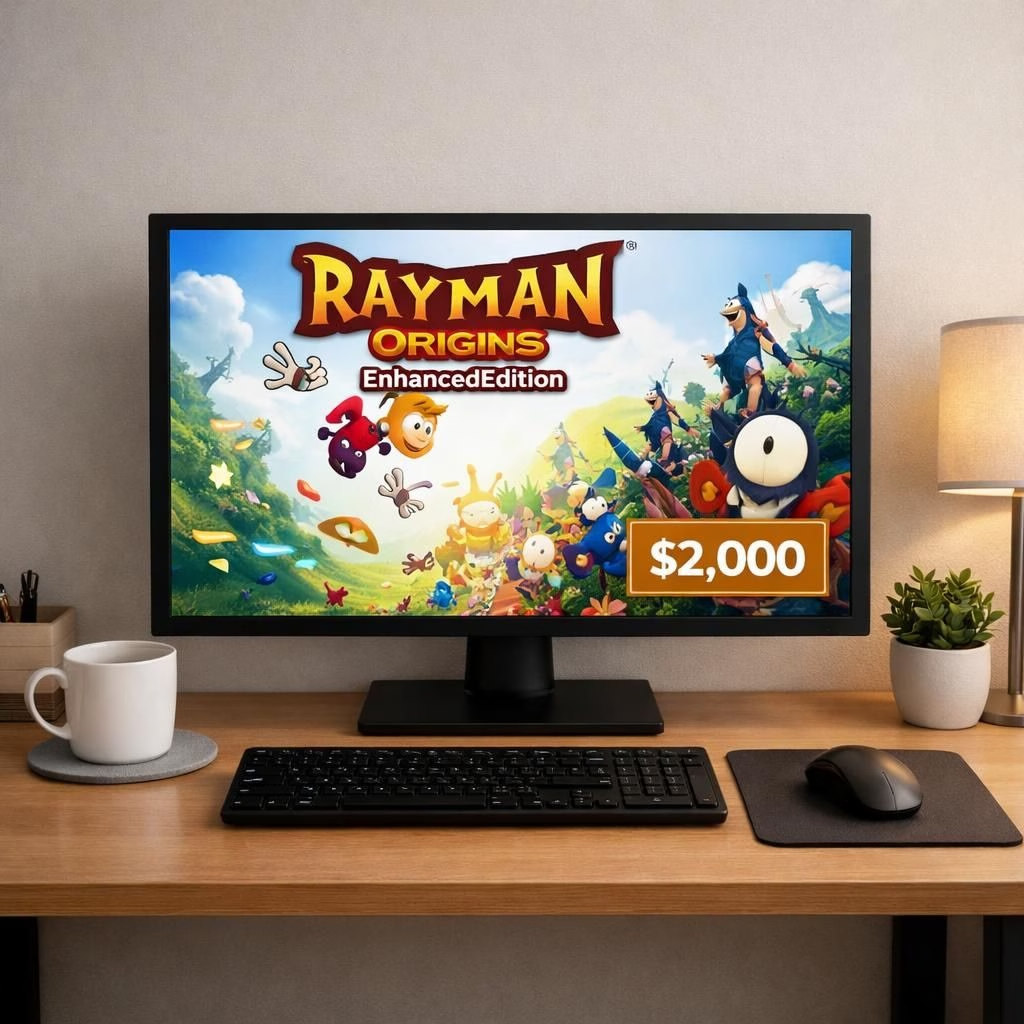
RaymanOrigins and Tag B collide in headlines, the internet nodding with amused agreement and a pinch of skepticism. The chatter started with a handful of outlets teasing early details, screenshots, and a price tag that felt more like a dare than a sale. The idea of a RaymanOrigins remaster, framed as EnhancedEdition, rolled in with fanfare and a badge of mystery. In practice, the rumor mill loves a clean screenshot and a culprit price to chase, but the real story often lives in the fine print and the quiet seconds before a storefront flip. This piece isn’t here to pretend certainty exists; it’s here to unpack what the leaks actually reveal about timing, expectations, and the business of nostalgia.
RaymanOrigins: EnhancedEdition leak timeline
First, the timelines came in a rush of headlines from multiple outlets, each claiming to have insider details and fresh visuals. Some screenshots looked polished enough to wink at fans; others seemed to be placeholders or early build captures. The juxtaposition of RaymanOrigins and Tag B in these reports created a simple but powerful impression: nostalgia can be packaged, teased, and timestamped for dramatic effect. The pace of leaks often feels like a game itself, where timing matters almost as much as content. In this case, the timeline suggested a plan that could be real or could be marketing theater, and both options hold value for different audiences.
As readers parsed the rumors, the price talk became a louder engine. A price tag around the realm of a premium remaster circulated, with numbers that raised eyebrows and conversation alike. The spectacle wasn’t just about what the game might cost but what the market would tolerate. You could sense collectors, casual players, and speedrunners all pondering how a modern RaymanOrigins Tag B might balance fidelity with accessibility. The economics behind remasters are rarely black and white; they live in gray areas of bundle strategies, platform differences, and the cost of shipping pixels from nostalgia to modern screens.
Why RaymanOrigins matters for EnhancedEdition fans
RaymanOrigins matters not only for its platforming precision but for the way fans treat its legacy. When Tag B enters the conversation, players imagine better textures, smoother animations, and a few modern conveniences that don’t stamp out the game’s playful spirit. The critical takeaway isn’t just the possible features; it’s the reminder that great classics deserve thoughtful preservation. Paring down or upgrading a beloved title is a service to new players and a nod to veterans who remember the first jumps over tricky pits. However, quality upgrades should honor the original magic while offering meaningful improvements, not just the illusion of progress via price tags. In short, RaymanOrigins and Tag B should feel like a respectful bridge, not a velvet rope at a theme park ride.
From a development perspective, the conversation about Tag B underscores how studios balance retro charm with modern performance. It’s not enough to recreate a pixel-perfect moment; the game must feel alive on current hardware, with responsive controls and timely feedback. The leaks hint at improved visuals, but the real test will be whether the core rhythm and whimsy of RaymanOrigins translate into a contemporary experience without losing its soul. In this sense, RaymanOrigins and Tag B serve as a case study in how to modernize a classic without erasing its personality.
RaymanOrigins in practice: EnhancedEdition expectations and realities
Practically speaking, players expect careful remaster work: updated physics, refined collision, and a UI that respects modern conventions while preserving the game’s original quirks. Fans also expect clear, honest pricing that reflects value rather than marketing bravado. The talk around Tag B shouldn’t be a sprint to a price tag but a measured discussion about how the game feels and plays today. The leaks remind us that sometimes the most telling details are the quiet ones—the feel of a jump, the timing of a sprint, and the satisfaction of collecting a well-hidden loot. These are the moments that will define whether RaymanOrigins Tag B lands as a beloved re-release or a footnote in remaster history.
Beyond the headline math, there’s a broader message about how the gaming industry handles nostalgia. The leaks illustrate a modern tension: how to monetize memory while still delivering an experience that respects the original player base. If done well, Tag B can be a gateway for new fans and a continuation for long-time players. If done poorly, it becomes a cautionary tale about chasing perfection through price and hype. The safest path marries transparency with craftsmanship, letting the game speak for itself rather than shouting its intentions from the storefront page.
What fans should realistically expect from RaymanOrigins and EnhancedEdition
Fans should anticipate a thoughtful blend of the old and the new. Expect improvements that preserve the game’s hallmark pace and precision. Expect the same joyful rhythms that teach players to keep moving, to time leaps, and to laugh when a pratfall becomes a triumph. Expect some quality-of-life upgrades that don’t alter the fundamental feel. The best outcome is a product that respects the original’s design while offering enough polish to justify a modern platform purchase. The more the team explains what changes exist and why they were chosen, the stronger the connection between developers and players becomes. In this scenario, the leaks would function as a preview, not a verdict, and the final product would earn its place in the RaymanOrigins canon rather than simply riding a wave of curiosity.
From a broader viewpoint, this situation highlights how communities use leaks as a catalyst for conversation. Rumors spark questions about re-releases, pricing strategies, and the timing of announcements. The conversations themselves become part of the game’s ongoing cultural impact. When the dust settles, the community will decide whether RaymanOrigins and Tag B shine as a revival or simply remind fans of a vanished era of arcade charm. Either outcome deepens the game’s legacy and invites fresh discussion about what remasters should, and should not, do to honor the past.
Final thoughts: balancing memory, money, and meaning
In the end, the RaymanOrigins Tag B chatter is as much about how we remember games as it is about how we price them. Nostalgia is a powerful force, and it can be treated with care or commodified for spectacle. The leaks have done a service by prompting fans to ask thoughtful questions about value, release timing, and what counts as a meaningful upgrade. A well-crafted Tag B respects origin and audience alike, offering something tangible rather than simply collecting clicks. If the developer team can deliver a version that feels faithful, fun, and fair, the discourse will shift from skepticism to celebration—without abandoning critical scrutiny along the way.
To all readers: I’d love to hear your thoughts on how you’d like to see RaymanOrigins and Tag B realized. Do you crave a faithful visual upgrade, performance refinements, or fresh content that complements the classic charm? Share your take in the comments below and join the ongoing conversation about remasters, nostalgia, and the future of platformers.
Original coverage and thanks: Special thanks to the original reporting outlets that sparked this discussion. For more details, visit: Nintendo Everything, Insider Gaming, TechRaptor, GoNintendo, and NeonLightsMedia for the initial leaks and context. Your coverage provided the starting point for this thoughtful look at a beloved franchise.