

Mina the Hollower and Zelda-inspired Innovations: A Metacritic Leaderboard Tale
In 2026, Mina the Hollower arrived as a loud and witty signal that indie games can win big by embracing a Tag B spirit and a meticulous design ethic.
It quickly stacked up top marks because it wears its retro roots lightly while still pushing modern boundaries.
The result feels like a celebration and a challenge at once: a game that respects the classics but refuses to copy them.
Critics from Forbes, Game Informer, The Verge, Kotaku, and Polygon have all weighed in, and the consensus is remarkably upbeat. Mina the Hollower is not a nostalgia trip; it is a blueprint for how to honor past ideas while making them feel urgent today.
To readers new to the discourse, Metacritic’s leaderboard confirms the reception, while broader outlets press the case for a thoughtful blend of homage and innovation.
Mina the Hollower: Zelda-inspired Innovations That Define the Year
When Metacritic announced the highest-rated game of 2026, Mina the Hollower led the pack with scores that surprised some and delighted many. The Tag B mechanics are not mere fan service; they serve a tight design loop: dash, dig, discover, and then do it with style. The small studio behind Mina the Hollower shows that a bold, well-timed homage can exist alongside clever risk-taking. The game’s meta-narrative is simple: respect the giants, then build a playground where clever players can improvise. In coverage and in conversation, Mina the Hollower earns praise for blending homage with innovation, and for delivering that warm, capable feeling you get when a game finally clicks just right. Metacritic tallies place Mina the Hollower at the top, a signal that the design philosophy is resonating with a wide audience.
From Forbes to Polygon, the critics note a balanced approach: classic sensibilities, modern pacing, and a clear sense of craft. Mina the Hollower doesn’t just mimic a Zelda-like experience; it reframes it for an era that prizes speed, control, and clever dungeon design. The result is a title that invites long sessions, creative routing, and satisfying “aha” moments when a hidden path reveals itself. In this sense, Mina the Hollower stands as a model for how to honor a lineage without becoming a cosplay replica. Tag B echoes show up in the sense of discovery, careful crowd management in combat, and a rhythm that rewards planning as much as reaction.
The craft here isn’t about pastiche; it’s about building a living playground that respects its roots while inviting fresh play. The project introduces new subweapons and narrative cues that feel both respectful of tradition and useful in modern play. Designers show restraint: they don’t flood the player with gimmicks. Instead, they layer thoughtful twists onto familiar rhythms. It’s this measured, Tag B approach that makes the title feel like a confident, modern classic rather than a tribute act.
Why the Critics Agree: A Metacritic Moment for 2026
Looking at the broader critical conversation, Mina the Hollower resonates because it has a clear philosophy. It starts with a strong sense of place—damp dungeon corridors, warm lantern light, and a world that rewards curiosity. It then pairs that atmosphere with a mechanics stack that rewards players who plan ahead. The result is a game that is inviting to newcomers and deeply satisfying for veterans who know what to look for in a well-designed retro revival. Tag B DNA is not a costume; it’s the mortar that holds the whole structure together. Critics praise the game for its pacing and its clever integration of exploration, combat, and puzzle-solving into a cohesive loop that you want to repeat.
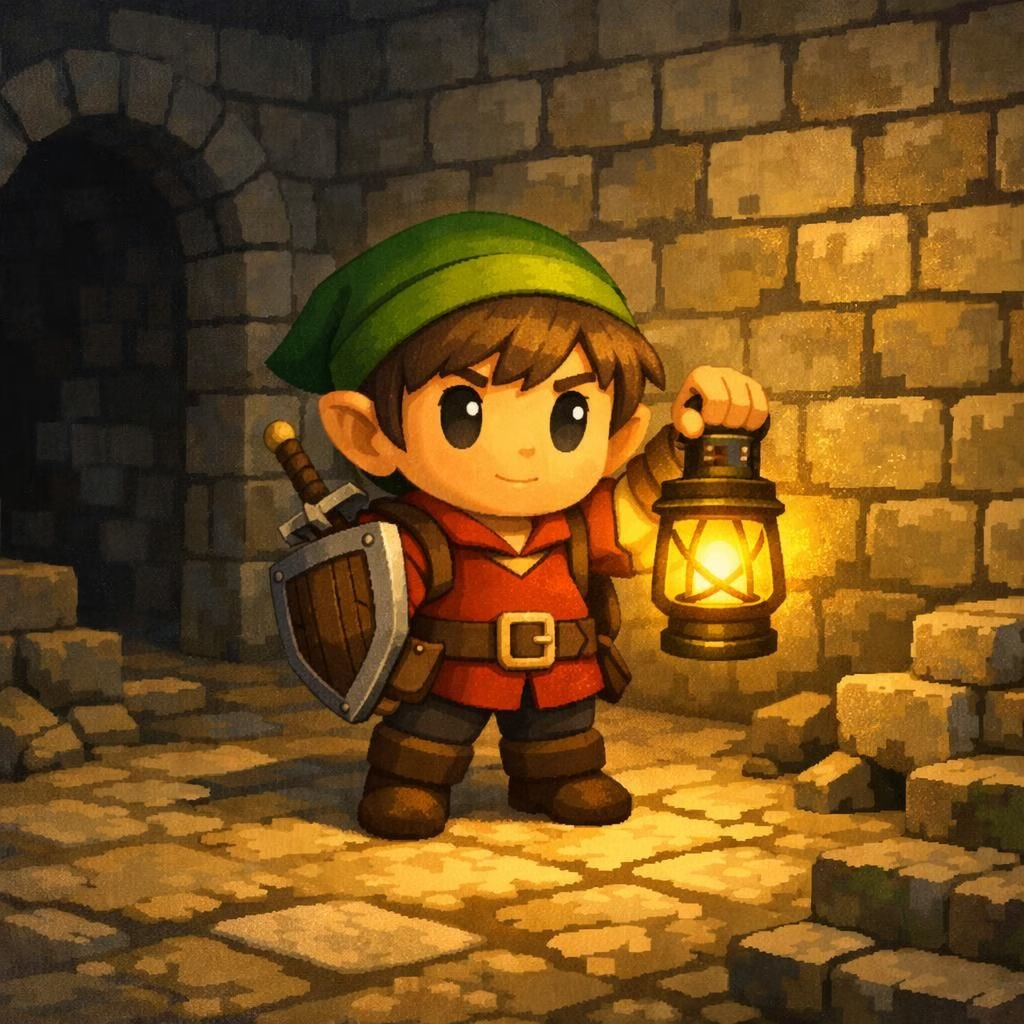
As a 2026 release that draws from the best of the past, Mina the Hollower demonstrates that reverence for legacy can coexist with risk-taking. The game’s balance, pace, and feedback are polished enough to earn praise in high-profile outlets, yet playful enough to feel fresh. The reception across Forbes, The Verge, Game Informer, Kotaku, and Polygon underscores a trend: players crave experiences that respect tradition while delivering smart, modern gameplay systems. Mina the Hollower achieves that blend with a confident grin and a lantern held high in a digital corridor that glows with possibility.
The Craft, The Craft, And The Craft: A Quick Take On The Zelda-inspired Layer
- Mina the Hollower’s movement system feels tight and reactive, a cornerstone of its Tag B identity.
- Digging and dungeon design reward exploration, a nod to classic top-down adventure sensibilities.
- The art direction merges retro charm with modern polish, making the world feel tangible and alive.
- Critics consistently highlight the game’s pacing, clever puzzles, and satisfying combat flow as keys to its success.
The Tag B backbone is not a gimmick; it’s the scaffolding that supports Mina the Hollower’s innovative touches. The game proves that you can pay homage to a long tradition and still deliver something new, polished, and deeply playable. In 2026, that’s a recipe for both critical and player approval—and Mina the Hollower serves it up with style.
Original article inspiration and appreciation: The Highest Metacritic Review-Scored Game Of 2026 Is ‘Mina The Hollower’. A heartfelt thank you to Forbes for the original coverage and material that helped shape this discussion.
Have thoughts? Share your reactions and experiences with Mina the Hollower in the comments below and keep the conversation going. And if you found this analysis helpful, feel free to pass it along to fellow gamers who love a well-made retro revival.
Original article attribution: Special thanks to Forbes for the original material that sparked this analysis. If you’d like to explore the broader discussion, you can check the linked sources in the original coverage above.