

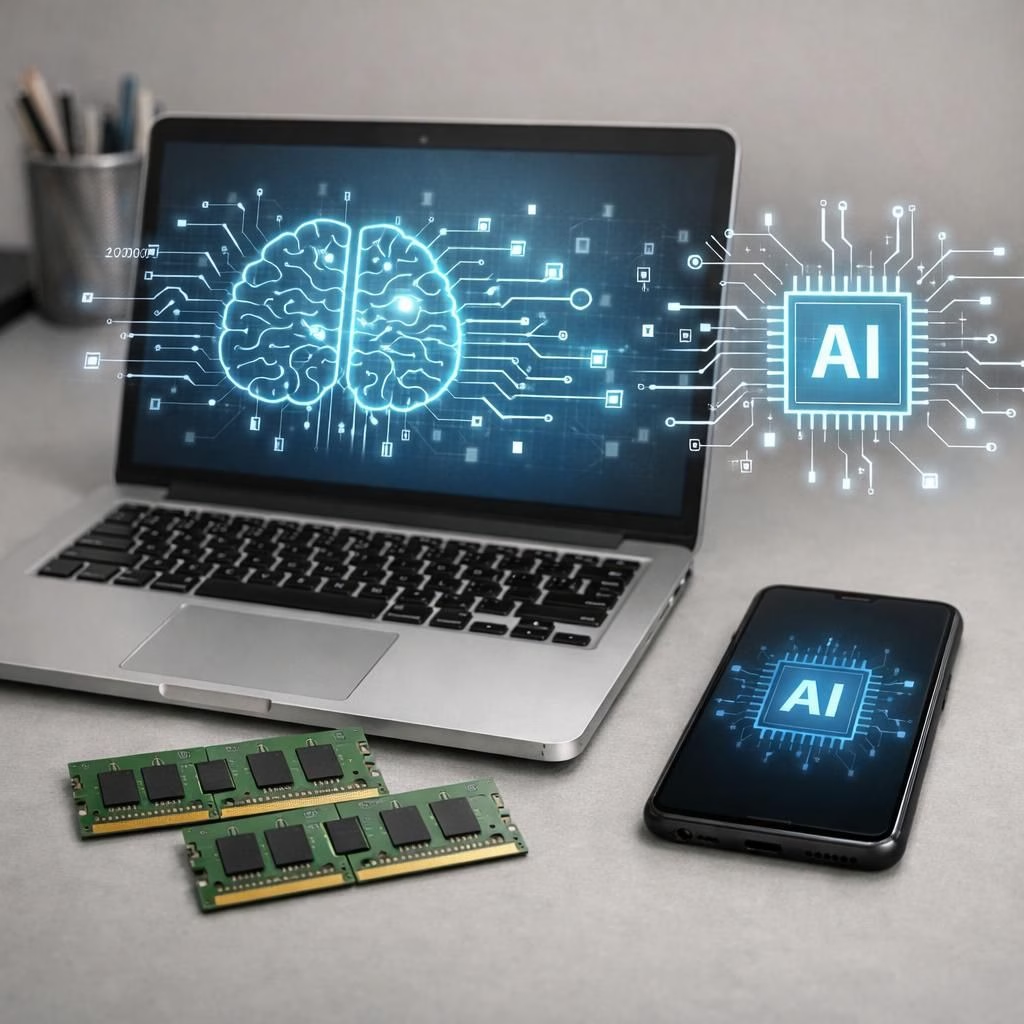
RAM and AI are colliding in 2026 as memory prices rise and devices get pricier. Across brands, smartphones and laptops are seeing higher price points as memory chips become scarce and demand surges. Even cash-rich tech giants struggle to keep prices steady. Apple, Samsung, and Nothing have launched newer devices at higher prices than their predecessors. The memory crunch hits mid-range and entry devices too, not just premium flagships.
Framing the crunch, IDC’s Francisco Jeronimo notes memory costs have surged dramatically, sometimes 200–300 percent in recent months. Most vendors run tight hardware margins, especially in mid-range and entry segments, so a portion of those higher costs lands on consumers. It isn’t whimsical; it’s supply chain reality wearing a designer mustache.
AI data centers are the memory hogs. They demand high-bandwidth memory around GPUs, which is different from the RAM in your phone. High-performance memory like HBM is deployed to power heavy AI workloads. Nvidia’s Rubin GPU, for example, uses up to 288GB of next-generation HBM4 memory, arranged in eight blocks around the processor, and is deployed in the NVL72 server rack, which combines 72 GPUs in one system. In comparison, smartphones typically come with only 8GB, 12GB or maximum 16GB of lower-power DDR memory.
RAM, AI, and the supply chain are linked. RAM remains a stubborn bottleneck, yet AI workloads keep expanding, pushing demand higher. The trio of players—Samsung, SK Hynix, and Micron—controls about 93 percent of the RAM market. With a few global players, supply is tight and pricing moves quickly when demand spikes.
Samsung, the world’s largest smartphone maker, faces tough choices for RAM. The company must balance mobile demand with data-center commitments. While mobile margins aren’t as generous as data centers, Samsung’s leverage helps it absorb some cost shocks. Still, consumers feel the pinch as RAM prices climb and AI features grow more demanding.
RAM Trends in 2026
Nothing’s Phone 4a Pro joined the party by raising prices while touting design upgrades and better cameras. The mid-range segment isn’t spared either, as price hikes show up across M and F series devices. The pattern is clear: RAM costs and AI workloads are reshaping what “affordable” means in 2026.
Demand from AI services helps explain the spread of higher prices beyond premium devices. The trend is not just fancy marketing; it reflects real component scarcity. Mid-range devices feel the squeeze hardest, while premium devices see partial cost absorption thanks to better margins and supply-chain leverage.
On the laptop side, memory prices tick upward as well. Apple’s M5-era notebooks come with higher base prices, and other PC makers report similar shifts. The MacBook Neo illustrates a compromise: cheaper hardware with heavier reliance on cloud processing, and a few tradeoffs like fewer RAM slots.
RAM and AI: How the Supply Chain Responds
The memory market remains a delicate ballet. Large customers with long-term agreements get priority. Data centers keep buying, while consumer device makers chase what’s available. The result is a cautious restock cycle and price—not a price drop, but a measured drift upward.
For buyers, the lesson is simple: consider RAM upgrades where possible and anticipate higher prices for mid- and low-end devices. If you find a deal, buy sooner rather than later, because the window can close fast as inventories shrink.
We also see a push toward on-device AI, but that requires more RAM. The allure of on-device processing remains strong for privacy and speed, yet it clashes with the memory crunch. Some niche devices may ship with 8GB RAM in 2026, but they risk a laggy AI experience for demanding tasks.
Looking ahead, memory production needs time. Analysts estimate it will take years to meaningfully expand capacity. The demand from AI data centers will keep prices buoyed, and the consumer market must adapt. IDC projects a continued slide in smartphone growth for 2026, while the PC market shrinks as prices rise.
When it comes to laptops, expect more premium models and fewer budget options in the near term. Apple’s mid-range MacBook Neo shows a possible path: affordable entry, cloud-backed processing, and a heavier load on the web. The landscape is shifting, but the core idea stays simple: RAM and AI drive modern devices, for better or worse.
So what should consumers do? Prioritize devices with more RAM up front, and be prepared to pay a little more. In the long run, more RAM means smoother AI experiences and more durable devices. If you score a good deal now, grab it—the market could swing again tomorrow.
Practical steps for buyers:
- Prioritize devices with higher RAM (16GB or more) in mid-range models to ensure better AI performance.
- Prefer laptops with upgradeable RAM where possible; otherwise budget for cloud processing and longer device life.
- Watch prices and grab deals early, as memory prices swing with demand.
- Read reviews for real-world memory and AI workloads to avoid bottlenecks.
FAQs
- Why are RAM prices rising? Global memory demand has shifted toward AI data centers, tightening supply and elevating component costs, especially for mid- and low-end devices.
- Will RAM in phones stay expensive? Pricing is likely to stay volatile until capacity expands, which could take years, though the mix of devices may shift toward higher-RAM configurations.
- Should I buy 8GB RAM devices in 2026? 8GB RAM may still suffice for light use, but AI features and multitasking will feel constrained; 16GB is a safer target for mid-range devices.
- Is cloud processing the answer for AI on devices? Cloud options can mitigate on-device RAM limits, but privacy, latency, and offline use-cases still favor stronger on-device RAM in many scenarios.
External sources
For deeper context on memory pricing and AI demand, see the IDC overview and the NVIDIA HBM memory overview used in data-center GPUs.