

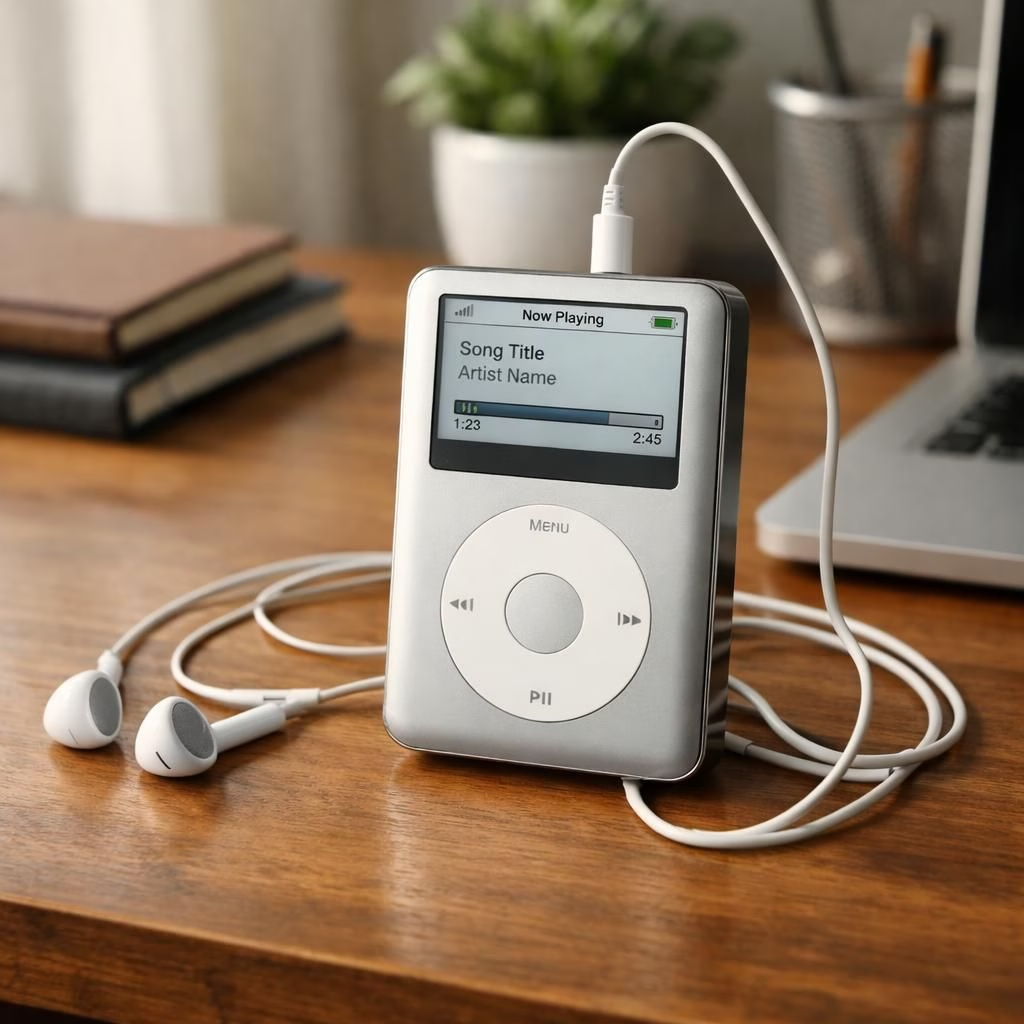
In this breezy look at MusicTech culture, we watch a quiet revival unfold with affection and a dash of mischief. The iPod, once a gadget in every pocket, is now a nostalgic symbol that still clicks with curiosity. And as we skim through this era of streaming, the term MusicTech shows up not just in blogs but in people’s living rooms as a reminder that technology can be shaped by taste as well as data. In 2026, the iPod‘s memory is a museum of listening, proof that a single device can anchor a habit more than a hundred apps.
iPod nostalgia in the streaming era
In a world obsessed with quick access, the iPod remains a stubborn counter-trend. It invites you to listen slowly, to curate, to detach from notifications. The iPod’s 2001 promise of 1,000 songs in your pocket now reads as a bold beta test for a future where playlists live in a device that never pings. That mix fuels a growing MusicTech conversation about how we consume art.
From the click wheel romance to the social posts around #iPod, the device remains a symbol of intentional listening. The iPod’s memory is not just storage; it’s a reminder that you can own your listening journey without a constant ping from the cloud. This sits squarely in the MusicTech ethos, inviting us to rethink how we experience sound.
MusicTech and the tactile listening revival
Emily White’s research reveals an almost soothing truth: people want good friction. The iPod delivers a design that rewards physical actions—press, skip, store—without chasing an algorithm. It is a tactile experience in a world that increasingly swipes and shares. The MusicTech scene regards friction as a feature, not a flaw.
Burns’s reboot inspired her to hunt thrift-store speakers so she can set up an iPod listening station in her studio. She argues there’s value in a challenge: when everything is at our fingertips, we lose a sense of community and craftsmanship. The MusicTech ethos sees this as a practical check against the pace of modern life.
iPod Nostalgia and the DIY Renaissance
Burning CDs into iTunes, ripping Napster tracks, and later watching iPod ads on aging monitors helped shape indie artists’ careers. Kat Burns, who records as Kashka, revived her iPod Mini and shared the moment on Instagram. The revival isn’t mere nostalgia; it’s a case for keeping a personal library that you control. In a streaming era, the iPod lets you decide what to listen to, not what the algorithm thinks you should hear.
Fans visit shops like iRepair, where technicians offer upgrades that breathe life into old hardware. A battery swap, a larger drive, or a new sound card can turn a relic into a stubborn yet reliable listening companion. The iPod isn’t a fashion statement here; it’s a serious tool for curated sessions that respect the music itself.
The arc runs from Napster-era file sharing to today’s streaming, with many artists using the iPod as a canvas for independent distribution. Burns’s explorations and Instagram reels show a community that resists the always-on culture. The iPod Mini’s smaller form has inspired inventive upgrades and thrift-store hunts. People bring old devices to shops like iRepair, and the result is a gentle blend of old tech with new life—an idea MusicTech often forgets: technology can be a tool for focus, not just a vessel for constant dopamine hits.
Vinyl’s revival is well documented, but the iPod’s quiet comeback is different. Its promise is practical and personal: a single device offering hours of listening with a straightforward interface, free from endless videos and push notifications. Maybe that’s the point: the more we chase upgrades, the more we value an unpopulated screen and a carefully crafted playlist.
Apple’s early marketing for the iPod Mini framed it as a smaller, friendlier companion. In shops today, the iPod still shines when paired with wired headphones and a well-loved library. The sound quality remains crisp, and the simplicity invites new listeners to redraw their sonic maps. This isn’t a fad; it’s a modest correction toward listening that respects both music and listener.
Stuart Berman’s writing for CBC and Pitchfork places the iPod revival within a broader conversation about owning your media and managing attention. Its offline nature—no constant internet, no targeted ads—can be a surprising ally for focused collaboration. A 30-hour playback life means road trips and studio days progress with fewer charging breaks. The enduring appeal lies in the joy of listening on demand, with a library you curate rather than an algorithm curate you.
For a pragmatic take, shops like iRepair offer pathways to modernize the old device without losing its soul. A battery swap or a drive upgrade can boost life to around 30 hours, enough for long trips or late-night study sessions. The iPod’s appeal is as practical as it is sentimental; it remains a reliable way to stay connected to music without surrendering control to a service’s terms.
References to the original article anchor this exploration and offer a starting point for readers curious about the revival.
Practical steps to revive an iPod
- Choose a functioning model. If the battery is weak, consider a professional replacement to regain full listening time.
- Upgrade the drive or use a compact flash solution where available to increase capacity without bulky hardware.
- Rip CDs or copy MP3s to build a curated library; organize playlists that suit different listening moods.
- Set up a dedicated listening station with wired headphones and a simple dock or USB charger for long sessions.
Frequently asked questions
- Why is the iPod making a comeback in the age of streaming? It offers deliberate listening, no ads, and a breathing space from constant notifications—an antidote to algorithmic feeds.
- Can I still upgrade old iPods? Yes. Battery swaps, larger drives, and compatible accessories can extend life and improve sound quality.
- Is an iPod worth buying today? If you want a focused listening device with a finite library and no online tracking, it can be a thoughtful addition.
Conclusion: a small device with a big lesson
The iPod’s quiet revival shows that technology can support intention as well as convenience. When you control the library, you control the listening. And in a world of endless streams, that intentionality may be the strongest gesture of all.