

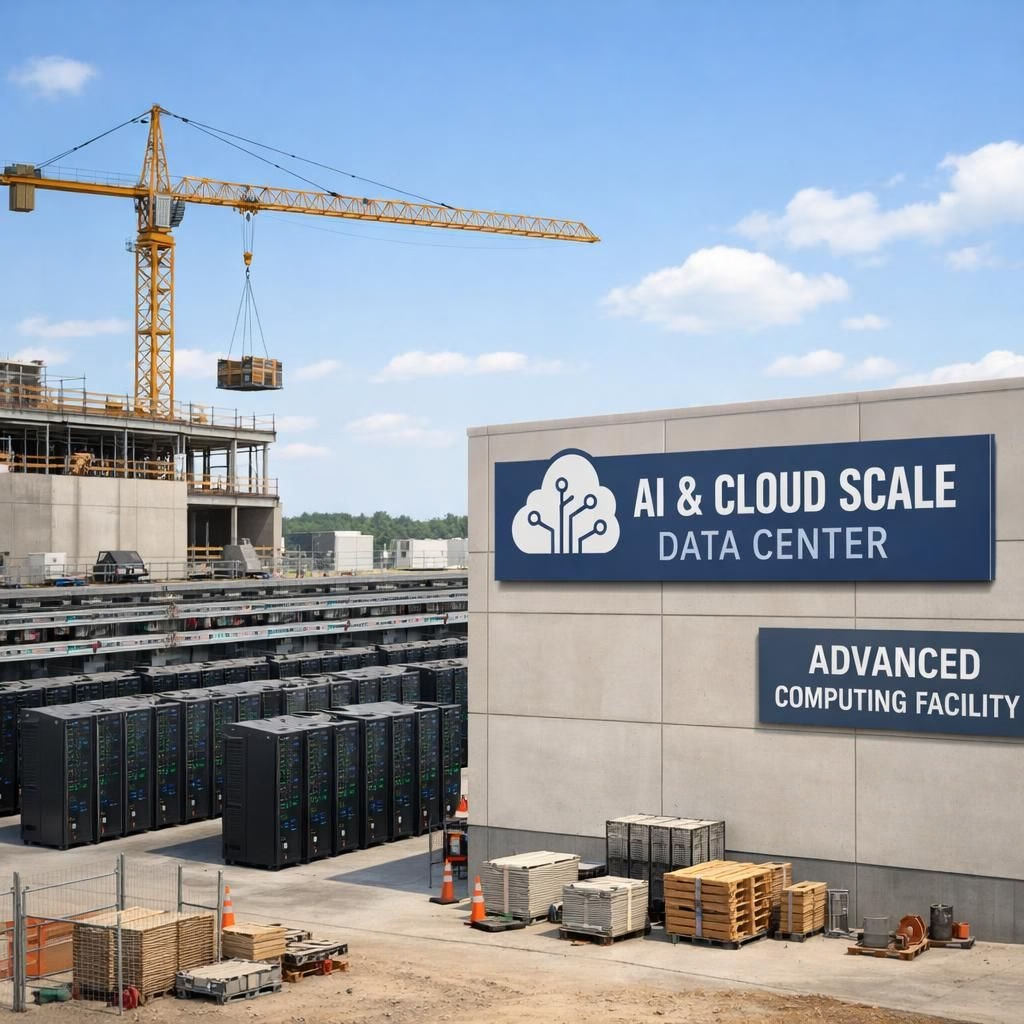
Oracle and OpenAI are steering a high-stakes chapter in tech. In 2026, Oracle’s debt-funded push into AI infrastructure and a record data-center buildout are in the spotlight. This isn’t mere belt-tightening; it’s a bold bet that the AI era can be banked with debt, clever code, and disciplined execution. Layoff emails signed by “Oracle Leadership” arrived with little more than a countdown link, underscoring the human impact alongside the strategic shift sparking a broader AI agenda tied to the OpenAI partnership.
Oracle OpenAI: The Big Bet on AI Infrastructure
To understand the move, follow the money. In July 2025, OpenAI and Oracle formalized what many called the largest cloud computing deal in history. OpenAI promised to spend roughly $300 billion on Oracle’s infrastructure over five years, starting in 2027. In return, Oracle would build out 4.5 gigawatts of AI data-center capacity across the United States to support ChatGPT and related models. The optics looked transformative: a scalable, weaponized AI backbone for growth, with Wall Street taking note. The reality, as with many moonshots, required new debt to fund campuses, chips, cooling, and a tight schedule to stand up five of the world’s largest data centers quickly. The debt stack crossed the $100 billion mark, free cash flow swung to a trailing deficit, and the path to cash-flow positive only by around 2030 loomed large. The OpenAI deal created a powerful growth tempo that Oracle could not ignore, and the financing rhythm demanded a workforce to match. Market participants reeled in the risk-versus-reward debate, weighing AI-driven growth against leverage risk.
As debt accelerates and capex stays hot, analysts view a larger calculus at work. Oracle’s remaining performance obligations climbed, while management signaled that an AI-centric reorganization would favor leaner, faster product development. That meant retooling roles and reducing headcount in some areas to align with new AI-led outputs. The tension between high ambition and cash discipline illustrates how an AI bet can rewrite a company’s financial playbook. Leadership framed the move as building a smaller, more agile software engine; critics warned it could trim essential capacity just as demand for AI grows.
OpenAI and Oracle: The Layoffs as a Strategic Pivot
The layoffs arrived quietly, with emails at 6:00 AM IST or 3:00 AM Pacific. The message was blunt: a role eliminated; today is the last working day; staff were asked to share a personal email so access could be shut down. No manager call, no HR chat; teams across Oracle Health, Cloud, Sales, Customer Success, and NetSuite’s India Development Centre were affected. Senior engineers, architects, and program leads were among those cut in some units, with some teams reporting as much as a 30% reduction in a single sweep. Company insiders noted the cuts weren’t framed as performance-based, reflecting a broader AI-driven efficiency strategy.
The official line centered on AI-fueled productivity. In its Q3 FY2026 earnings release, Oracle said AI-driven code generation makes product development leaner by design, enabling faster software delivery with fewer people. That framing ties the layoffs to the AI-driven shift, even as the tie to the OpenAI-backed data-center push remains contested. Critics argue the combination could compress capacity just when the AI market demands more, not less.
Speculation swirled around the Abilene data-center expansion, which was scrapped amid shifts in chip strategy and demand forecasts. The plan would have increased capacity from 1.2 GW to 2.0 GW; newer Nvidia chips and alternative locations influenced the decision. The Abilene pivot highlights a broader pattern: in the AI era, choosing sites, hardware, and vendors matters as much as managing headcount. The market’s enthusiasm cooled as Oracle’s stock retreated and lenders re-evaluated financing for related projects. The larger narrative centers on how AI scale-up interacts with capital markets and operational realities.
On the OpenAI side, the multi-site capacity plan remains a long-run bet, with a need for a steady supply of cutting-edge chips and a resilient data-center ecosystem. Public statements emphasized progress and cooperation, while conceding that capacity plans can evolve. The push and pull—between aggressive expansion and procurement realities—shaped how the Abilene pivot was explained publicly, and how it was negotiated behind the scenes. Nvidia joined as a strategic partner, and potential tenants like Meta surfaced as alternative users for the expanded footprint. The result is a negotiation about who shoulders the costs of rapid AI scale and how market signals influence the pace of investment.
From a workforce perspective, the cuts reflect a shift toward an AI-first operating model. The layoffs were not presented as performance-based, and insiders suggest the company seeks a leaner, more agile workforce designed to accelerate AI code generation and product delivery. Outside the affected units, opportunities may emerge in new AI-focused roles or internal reassignments aligned with longer-term plans. For investors, the key question remains: can the AI infrastructure bet overcome debt and cash-flow headwinds by 2030, or will it unfold in further distress before the payoff arrives? The outlook for 2026 hinges on disciplined capital management, partnerships, and careful project scoping in AI data-center development.
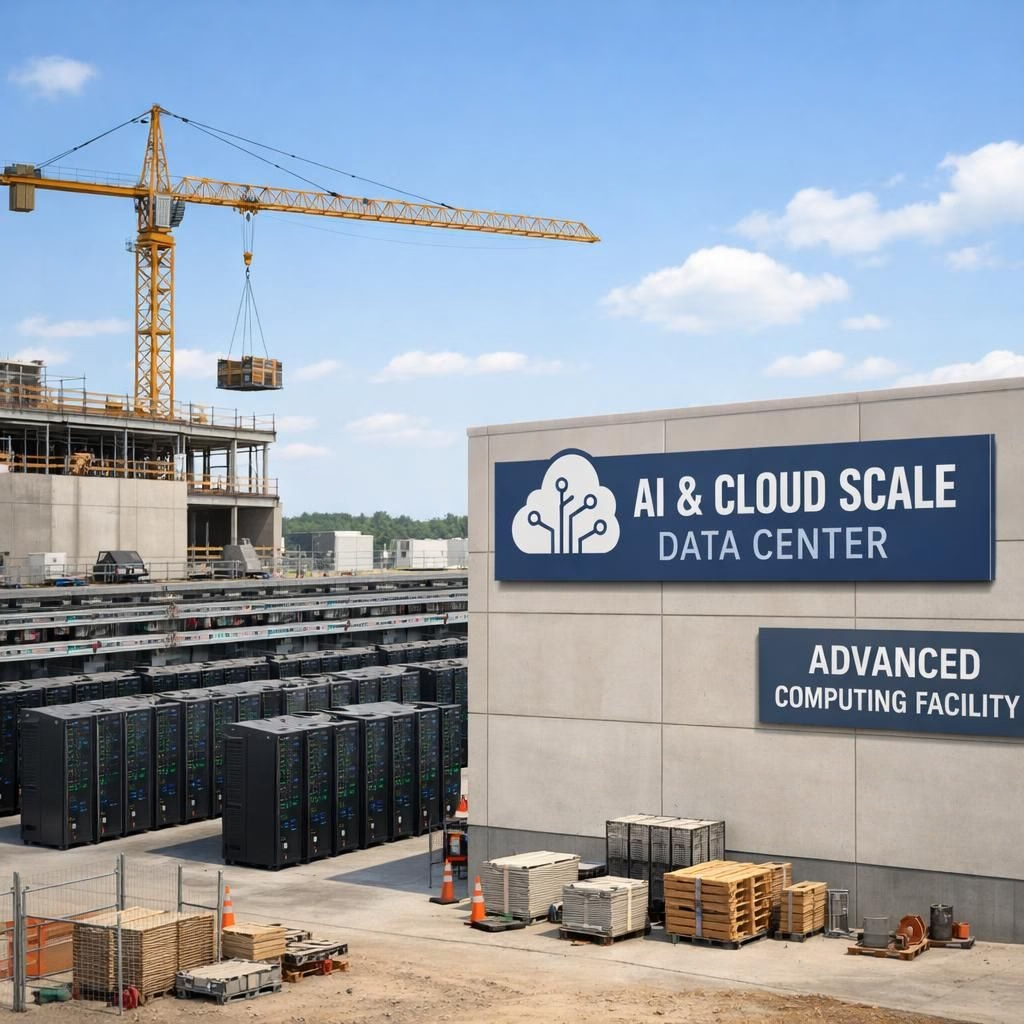
In sum, Oracle’s layoff wave, debt-funded OpenAI cloud deal, and Abilene pause sketch a high-stakes strategy. The company is attempting to convert bold AI ambitions into a durable financial engine, even as it trims costs and reassesses large-scale buildouts. The narrative is not purely doom or victory; it’s about timing, risk management, and the ability to translate AI breakthroughs into real, cash-generating products within a plausible horizon. The coming quarters will test whether this is a leap into a stronger AI-enabled business, or a cautionary tale about overreliance on debt and headline deals.
If you’re following the saga, you’ll want to watch how Oracle negotiates the financing cadence, how the Abilene decision evolves, and how the OpenAI partnership adapts to changing chip supply and demand forecasts. The broader takeaway for the tech world is clear: AI-scale ambitions require careful balancing acts—between workforce, capital, and the pace of technology adoption. Oracle and OpenAI have placed a bold bet on a future where AI infrastructure is the backbone of growth, and the consequences—positive or harsh—will ripple across the sector for years to come.
Join the conversation: share your thoughts in the comments below.