

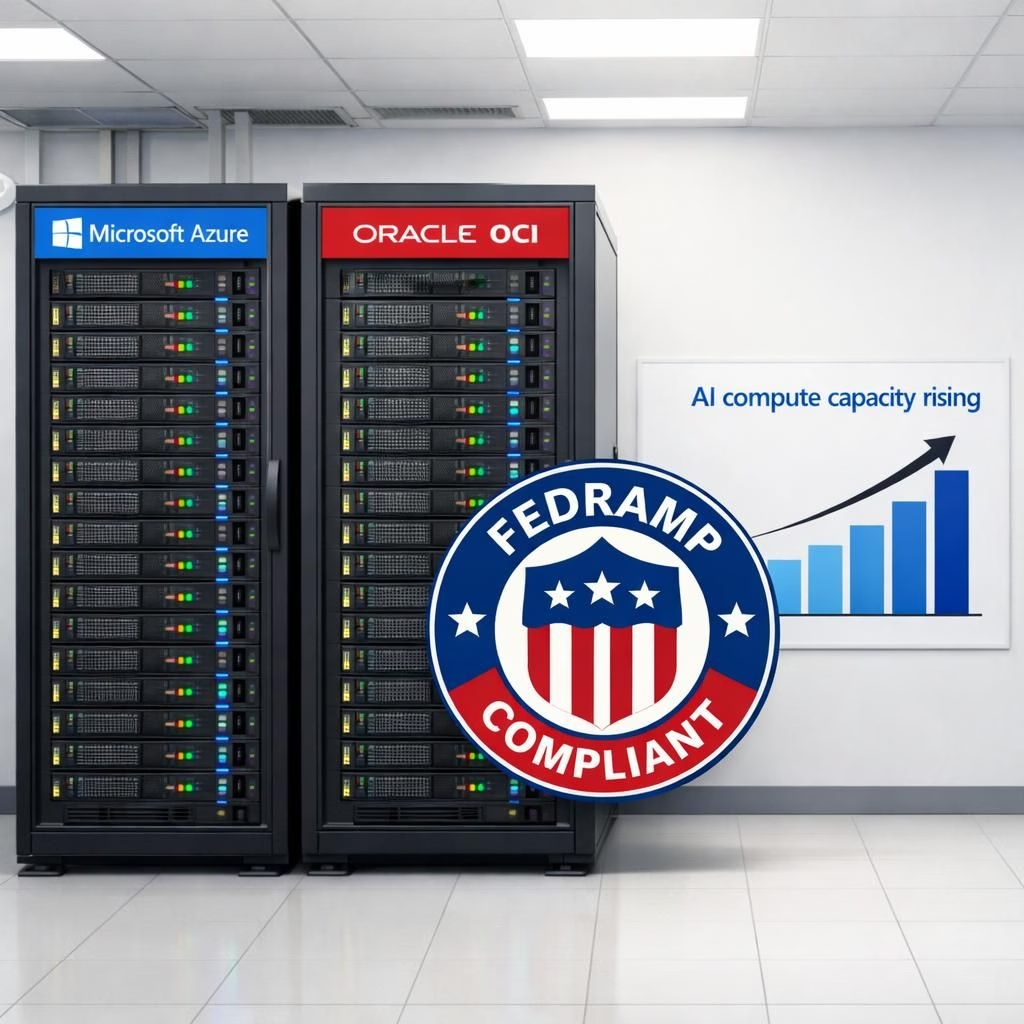
FedRAMP and AI compute capacity collide in a high-stakes cloud chess game between Microsoft and Oracle. A Business Insider report suggested Microsoft walked away from a potential cloud infrastructure lease worth over $3 billion, citing security and compliance concerns tied to FedRAMP certification for Oracle’s public cloud. Oracle disputed the account, telling Reuters that the details were inaccurate and that Microsoft remains both a partner and a customer. The episode also underscores an AI compute capacity crunch. It makes every gigabyte of compute feel like precious currency in the data economy.
FedRAMP realities shaping cloud deals
FedRAMP is the standard security framework agencies rely on when evaluating cloud services. Without FedRAMP, government workloads stall, partnerships pause, or sponsors demand extra controls and audits. For procurement teams, FedRAMP readiness is a prerequisite, not an option, and it often dictates which clouds survive the initial screening.
AI compute capacity and the race for scale
Beyond compliance, the demand for AI compute capacity is skyrocketing as models grow larger and more capable. Microsoft has signaled aggressive capital spending in 2026 to expand data center capacity, ensuring Azure stays responsive for customers. The company reportedly taps multiple public clouds when needed to avoid outages and keep GitHub running smoothly. Google has also moved to lock in additional capacity with SpaceX, illustrating a market where AI compute capacity is a strategic asset rather than a luxury.
In this climate, AI compute capacity and FedRAMP converge: government data and mission-critical workloads demand both security rigor and scalable compute. Some analysts expect more cross-ecosystem partnerships, while others warn that the costs of rapid expansion could compress margins. The key question is who can deliver FedRAMP-ready public cloud at scale while maintaining predictable pricing and reliable service across regions.
On the policy and government side, the Pentagon has moved to centralize software licenses with a five-year agreement worth about 9.69 billion dollars, aimed at reducing duplication and improving efficiency. The Core Enterprise Technology Agreement pools software subscriptions for the military services, the intelligence community, and the Coast Guard, signaling a move toward streamlined procurement and consistent compliance standards across branches.
Meanwhile, industry moves show competition for capacity is global. Google has secured a large capacity deal with SpaceX covering late 2026 through mid-2029, underscoring a trend toward long-duration capacity commitments across ecosystems that help balance security, price, and performance for AI compute capacity workloads.
From a strategic standpoint, the story offers a few practical takeaways:
- FedRAMP is not optional for government-facing workloads. It remains the gating factor that can shape which clouds win contracts.
- AI compute capacity is a non-negotiable input for modern AI deployments; firms must plan capacity as a core requirement, not a seasonal add-on.
- Partnerships and open dialogue with customers and regulators help keep deals alive, even when headlines read like plot twists rather than KPI updates.
For readers following tech policy and enterprise cloud, the Microsoft-Oracle episode is a reminder that the value chain of cloud computing stretches beyond a single contract. It touches security standards, funding decisions, R&D tempo, and the complex dance of supply and demand in an era of AI-driven growth. The combinations of FedRAMP readiness, capacity commitments, and governance will increasingly define which players succeed in the public cloud era.
Original reporting on this potential deal appeared in Business Insider, and the subsequent responses from Oracle and Reuters add texture to the narrative. Thank you to the original reporters for laying the groundwork for this analysis. Business Insider.
If you enjoyed this read, please share your thoughts in the comments below so we can discuss what AI compute capacity and FedRAMP mean for your cloud strategy in 2026.
References
- Times of India – Microsoft walked away from the Oracle deal
- FedRAMP official site
- Reuters coverage on the Microsoft-Oracle talks