

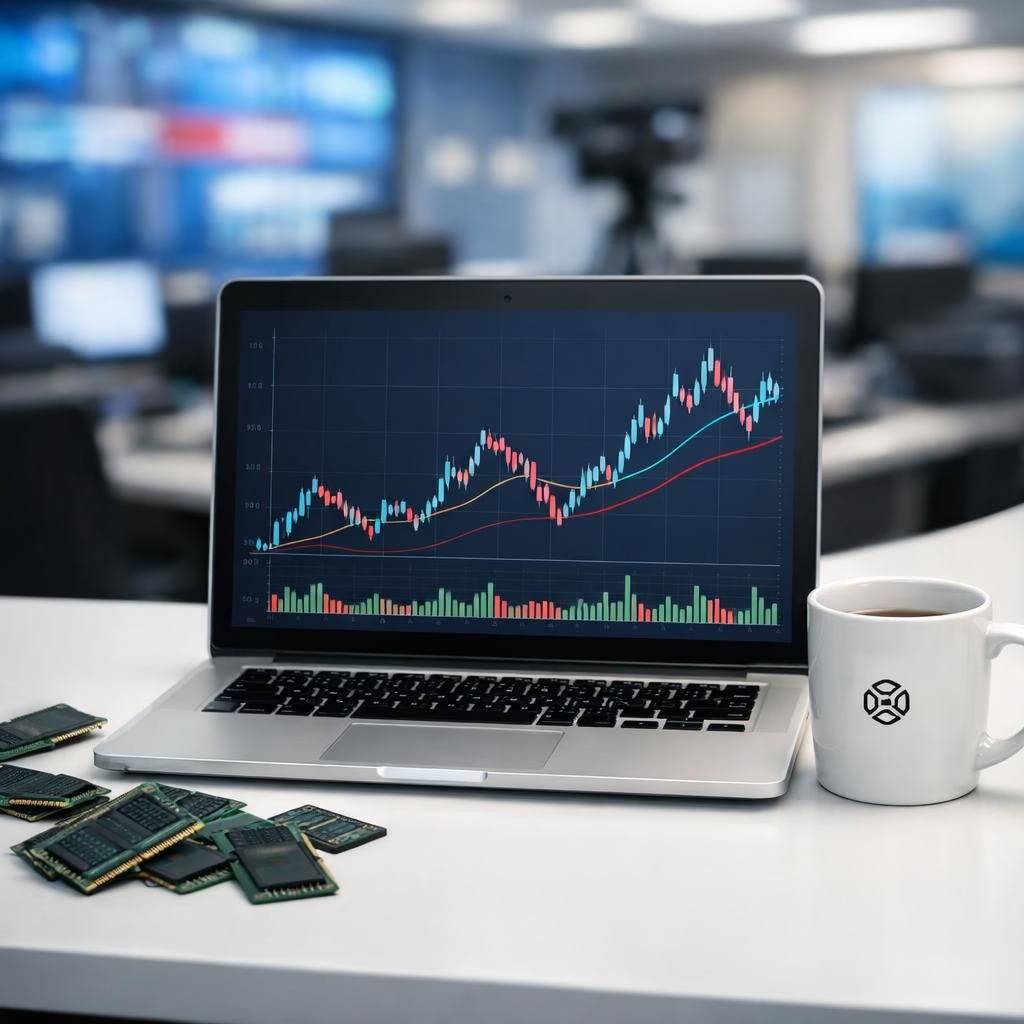
OpenAI and DRAM gossip aside, this piece takes a sunny, skeptical look at a viral claim about memory costs in 2026. The rumor ties the AI lab to a dramatic chip-market move and invites careful testing of signals versus actual shipments.
OpenAI and DRAM: memory-myth busted in 2026
The core claim centers on non-binding letters of intent for a large DRAM purchase, not signed purchase orders. The numbers circulated were eye-catching: 900,000 DRAM wafers per month, pitched as 40% of global supply. In reality, LOIs are promises, not shipments; no RAM changed hands, and no warehouse received a fresh batch of chips. The story relies on signaling, not contracts fulfilled.
There is a more nuanced truth: when such LOIs surface, markets can overreact to the signaling, inflating expectations and prices even if the deals never materialize. The posts claim prices jumped dramatically—like DDR5 kits leaving oversupply and retailer price postings pausing—but those signals are not receipts. It’s human impulse to chase headlines, not a memory unit moving through a factory.
DRAM drama in 2026: what actually moved the prices
The viral thread also cites a high-profile Stargate data-center project said to have been canceled because of forecasting trouble. The claim runs that Oracle could not secure financing and partners argued. Bloomberg and other outlets have reported the project had not started and funds were not raised. The point is not to fault a single company, but to show how conjecture can become narrative when a few signals collide with glossy charts.
Concretely, contract DRAM prices allegedly jumped 171% and a 64GB DRAM kit rose from around $190 to about $700 within months. DRAM kits in oversupply reportedly doubled, and some online retailers paused price postings. While these numbers illustrate wild swings, they do not prove OpenAI or any AI firm actually bought or moved chips.
Two essential takeaways for fans of tech markets in 2026: signals matter, but orders tell the story. When LOIs look like orders, markets react; when no shipments happen, price signals often fade. Analysts remind readers to separate rumor from contract data, and to demand evidence beyond screenshots and retellings.
For readers tracking hardware costs, here are practical lessons: diversify sources, watch for non-binding instruments, and avoid attributing causation to AI firms for complex supply chains. The economic channel is multi-layered: memory producers, distributors, retailers, and financiers all shape prices, and a single rumor rarely captures the full picture.
OpenAI and DRAM: what to watch in 2026
Looking ahead for 2026, the main message is that rumor spread depends on signal and credibility, not a magic purchase order. The takeaway is simple: follow the data, not the headlines. OpenAI remains focused on software and research, while DRAM producers continue to supply components as planned. The price moves reflect hedging, speculation, and general market volatility rather than a single lab moving chips.
In the end, the history lesson here is instructive: OpenAI did not buy a mountain of RAM. DRAM did not suddenly vanish from factories. Yet the story shows how quickly narratives can sprint ahead of the receipts, how markets react to a single signpost, and how reporters and readers should test the signal against the evidence.
Original article attribution: Special thanks to the original X post for the ideas and reporting that informed this piece. You can read the source here: https://example.com/original-article
We invite you to share your thoughts in the comments below. Let’s discuss what moves DRAM prices in 2026, and how to separate rumor from verified data.
FAQ
- Did OpenAI sign LOIs for DRAM? Not a purchase order. LOIs signal intent, not shipments, so no RAM changed hands in the scenario described.
- What is the difference between LOIs and purchase orders? LOIs are commitments to consider, while POs are binding orders.
- Why do memory prices swing on rumors? Markets react to signaling and expectations, especially when large volumes are rumored.
- How should readers evaluate such claims? Look for verifiable contracts, filings, and independent reporting beyond screenshots.
Conclusion
Bottom line: rumors move markets, but data grounds decisions. For 2026, monitor credible data and official statements rather than social posts about LOIs or forecasts.
Original article attribution: Special thanks to the original X post for the ideas and reporting that informed this piece. You can read the source here: https://example.com/original-article
References
- Times of India: Popular Twitter user explains how Sam Altman’s OpenAI may have caused the worst consumer hardware crisis with purchase orders that were never real
- Original article attribution: https://example.com/original-article