

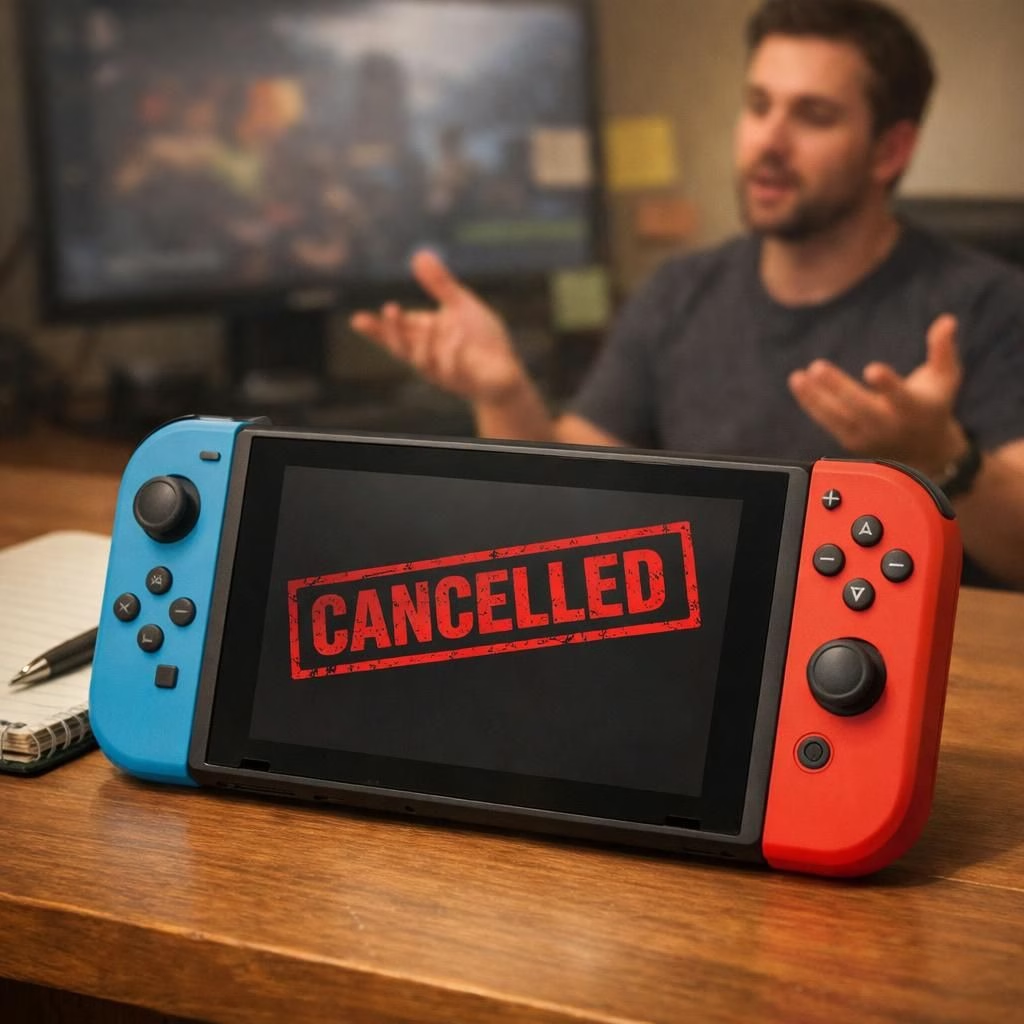
Nintendo Switch Tag B fans woke to news that the Tag B project on the Nintendo Switch has been cancelled. The developer posted a candid explanation, treating players as partners rather than audience. The tone is practical, even a touch playful, but the message is serious. They named the central problem: matching a timely, portable experience with a small indie budget.
Nintendo Switch Ratatan: Cancellation Explained by the Creator
The team faced RAM limits that turn silky-smooth code into a memory juggling act; performance targets that collide with portable hardware; and a cadence of updates that didn’t align with the Nintendo Switch lifecycle. The dev noted that even small engine frictions could balloon into months of work, with no clear path to profitability on the platform alone. This isn’t a moral about surrender; it’s a pragmatic decision to avoid a rushed, compromised product. By pausing the project on the Nintendo Switch, the team preserves energy for a version that can shine elsewhere.
What Ratatan Teaches Us About the Nintendo Switch Era
For indie developers and curious players alike, this Nintendo Switch pause becomes a case study in platform realities. The era of dream-first porting is giving way to staged, honest progress. The dev notes emphasize planning, scope discipline, and transparent milestones.
It’s a reminder that the Nintendo Switch demands design discipline: shorter loops, lean assets, and a calm, predictable update rhythm. Success on the Nintendo Switch isn’t about cramming a huge game into a tiny cartridge; it’s about designing for the hardware’s strengths and waiting for the right moment, even if that moment arrives later on PC or a revised console. Players should appreciate candid updates that set realistic expectations about timing and features.
Key Takeaways for Nintendo Switch Projects
- Validate technical feasibility before you set expectations with your community.
- Keep a tight scope; a focused Switch version often beats a sprawling port.
- Communicate early when trade-offs are unavoidable; transparency shows courage in a crowded market.
From a broader industry perspective, this Nintendo Switch pause illustrates that digital products require more than a great concept. They demand technical alignment, careful production budgets, and a cadence that matches the chosen platform. The Nintendo Switch user base is patient and discerning, and the developers are listening. The result is a healthier relationship between creator and community, one that values honest updates over glossy announcements. The takeaway isn’t doom, but a thoughtful strategy for delivering a better title experience in a future iteration that respects both the hardware and the players.
Original article: Nintendo Everything — Thank you for the original article on Tag B and the Nintendo Switch version cancellation.
Do you have thoughts about platform strategy, indie game timing, or how cancellations are handled publicly? Share your thoughts in the comments below.
References
- Ratatan’s Nintendo Switch version cancellation — original source
- Nintendo Developer Portal
- The Verge: How developers port to the Nintendo Switch