

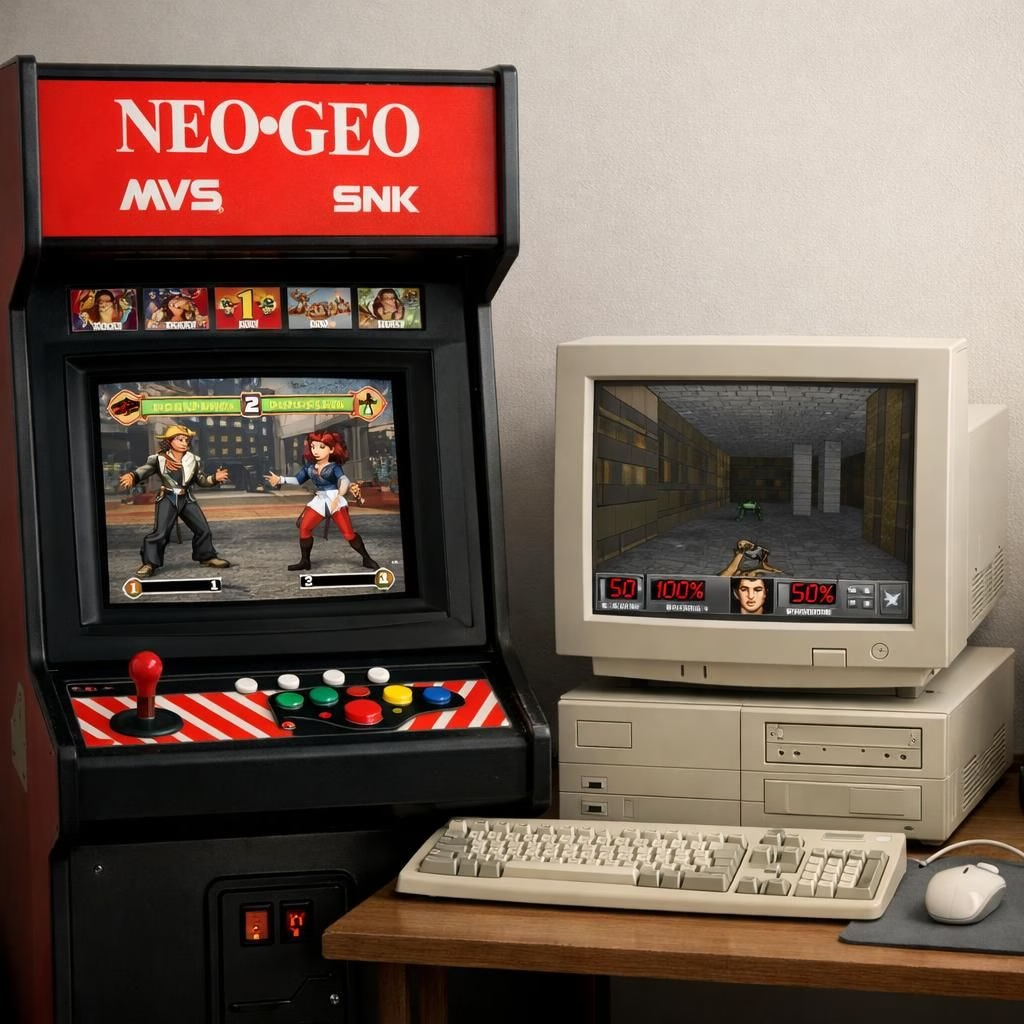
NeoGeo and Doom stand as a nostalgic duo. The hardware reality remains stubborn, and this piece explains why porting is functionally impossible on the NeoGeo while we celebrate clever workarounds. The goal is to keep spirits high while acknowledging genuine limits.
NeoGeo vs Doom: hardware reality check
The platform’s architecture imposes tight constraints.
The era’s console hardware stacks a 16-bit CPU with a modest clock, plus a sound co-processor, and a fixed amount of memory and video RAM.
The Doom engine, on the other hand, thrives on aggressive geometry processing, dynamic visibility checks, and texture streaming.
In practice, translating one to the other means asking for miracles or heroic compromises.
The result is often either a stuttery mess or a dramatically altered experience that bears little resemblance to the original.
When developers measure the cost of fidelity, they must account for frame rate, memory bandwidth, and sprite handling.
The platform’s sprite-based pipeline excels at fast, colorful 2D action but is not designed for the kind of clean, ray-mashed pseudo-3D the engine requires.
The geometry data, level maps, and textures would have to be massively compressed or rewritten, which undermines the very essence players remember.
In short, the hardware and the engine were built for different dreams, and those dreams rarely share a bed without a ruckus.
To keep the discussion grounded, we also note that truly faithful ports require both generous memory and flexible graphics pipelines.
The scarcity of RAM and VRAM, plus the need for fast texture fetches, makes a direct port untenable.
The result would be a compromised visual style and performance profile that falls short not only of the original, but of modern expectations for a proper retro remake.
For context on the hardware, the Doom engine’s demands outpaced what NeoGeo could deliver.
NeoGeo Doom ambitions: what modern tech can and can’t fix
Today we have powerful tricks and clever hacks.
Emulation, FPGA re-implementations, and carefully tuned ports can deliver a Doom-like vibe with high accuracy on modern boards.
But a faithful, cartridge-era port that preserves the original engine’s behavior remains impractical on the target hardware.
Some enthusiasts propose partial ports that reuse assets and swap in simpler rendering pipelines.
While charming, such approaches drift away from the true experience you know and love, trading authenticity for feasibility.
The exercise offers valuable lessons about limits, not a failure to admire ingenuity.
Licensing, production costs, and the risk of a sloppy release all loom large.
Even if someone promised to squeeze a haunted, nostalgic look into the tiny memory footprint, the result would likely disappoint purists and reward casual observers only with a gloss of authenticity.
The takeaway is not gloom but a sober appreciation for the clever engineering that made the original possible and the reality that some classics belong to a different era of hardware.
For NeoGeo collectors, these realities shape discussions about game preservation and port feasibility.
Doom engine history for context
The history of the engine behind the classic shooter offers a case study in how architecture, memory, and performance goals clashed across eras. This context helps explain why a direct port to the NeoGeo is unlikely, even with modern tools.
Practical steps for retro port discussions
- Assess hardware limits: The NeoGeo’s memory and VRAM are tight; plan around that. NeoGeo constraints should guide asset selection.
- Preserve core feel: Focus on control responsiveness and audio parity.
- Plan feasible compromises: Reuse assets, swap rendering pipelines, and maintain a faithful, bite-sized experience that respects memory limits.
- Communicate expectations: Be clear about what is possible given hardware realities. NeoGeo players appreciate transparency.
For research context on the shooter’s legacy, see credible hardware histories and design analyses (external reading suggested in the References). If you want to explore more, check the original Ars Technica article linked at the end of this post.
FAQ
- Why is a faithful NeoGeo port not feasible? The NeoGeo’s memory and bandwidth are too constrained to reproduce the Doom engine’s geometry and textures without major compromises.
- What can be done to honor the legacy on modern hardware? Emulation, FPGA approaches, or ports that imitate the look and feel can deliver a satisfying retro vibe with strong controls and audio.
- Are there legitimate releases worth watching? Enthusiasts often share projects that showcase clever compromises, serving as inspiration while avoiding overpromising performance on the original hardware.
- What does this mean for retro gaming culture? It underlines the value of hardware-aware design and the enduring appeal of bold, compact hardware that pushed developers to innovate.
Conclusion: The dream persists in more feasible forms. While a perfect port on the NeoGeo isn’t realistic, the spirit of experimentation keeps retro gaming vibrant and creative.
Original article: Original Ars Technica article (via Google News). Thank you to Ars Technica for the original analysis.
Have thoughts? Please share them in the comments below.