

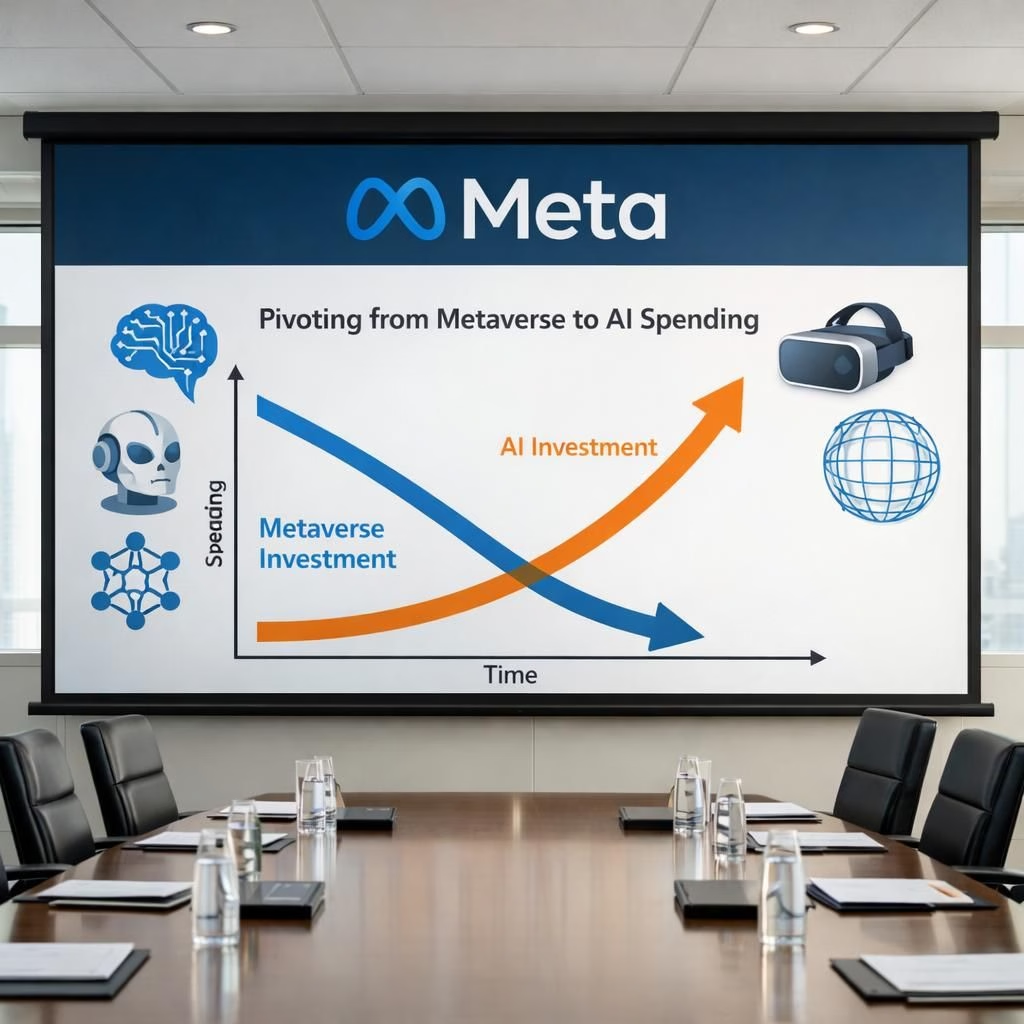
Meta has spent the month balancing two spectacular bets: bold AI spending and a tepid revenue outlook. The drama isn’t brand-new, but the stage has shifted from grand metaverse fantasies to the daily arithmetic of cash flow. Investors are watching the scoreboard and hoping the next quarter isn’t a stall on the road to profitability. The spotlight is bright, the questions are sharp, and the popcorn is optional — this is serious money with a wink.
According to a Bloomberg report, Meta’s market capitalization fell by more than $310 billion in March alone as legal risks loom and AI spending swells on the balance sheet. The stock dropped 19% for the month, on pace for its worst stretch since October 2022. The timid revenue outlook collided with Zuckerberg’s appeal for patience on the metaverse. Investors are weighing whether AI spending will pay off before the clock runs out.
The pivot is honest and visible. Meta says revenue could rise about 25% this year, but free cash flow is expected to tumble about 83%, under $8 billion, down from $46 billion in 2025. Capital expenses are forecast to rise 77% to roughly $123.5 billion this year and could top $140 billion by 2027. The company will trim hundreds of roles as part of its efficiency drive. In other words, the company is trading a slower burn for a louder, more ambitious blaze.
Meta and AI spending: A 2026 Pivot for the Books
The numbers tell a story of ambition and risk. The short-term bill comes from heavy investment in data centers, chips, and software that power AI spending across the family of apps. Meta projects revenue growth, yet free cash flow could fall sharply as capex climbs and hiring tightens. The market is watching the balance between intensified investment and near-term returns.
The pivot goes beyond hardware. Meta argues that AI spending is building a platform moat—one that could boost ad precision, safety features, and developer tools. The metaverse dream may still be on the table, but the table seats are now reserved for AI infrastructure, privacy safeguards, and smarter moderation. In short, Meta is trying to turn a big bet into a steady revenue engine.
Meta, Regulatory risk, and the long tail of AI spending
Legal risk is not a side note. A New Mexico jury found Meta misled teenagers about safety on its networks, and another trial tied Meta and Alphabet to social media addiction. Analysts warn these cases could signal bigger regulatory moves ahead, possibly forcing changes to services for teens or driving settlements. Yet many analysts remain hopeful. The stock trades at roughly 16 times forward earnings, a level not seen since March 2023, and the long-term promise of AI spending could justify patience.
Investor sentiment has grown cautious. Meta’s shares are down from their peak by about a third this year and lag the Nasdaq 100. January’s gains after a strong AI-driven sales forecast look distant. Still, some investors believe the penalties are manageable and that AI spending can be monetized effectively.
Analysts generally see the glass as half full, even with a heavy spending glass. Seventy-two of eighty analysts tracked by Bloomberg rate the stock a buy, with only one giving it a sell rating. The consensus earnings forecast for 2027 nudges higher, while revenue projections rise as well. The math remains tricky: high capex, uncertain timelines, and a potential regulatory crackdown. But the market is not a charity, and the price-to-earnings multiple of about 16x for the coming year signals a measured optimism about AI spending and long-term monetization.
What makes this period different is the balance sheet gymnastics. Meta can claim that AI spending is building a platform moat, not just burning cash. Revenue momentum may come from ads, search features, and improved targeting powered by AI. The metaverse dream may still be on the table, but the table seats are now reserved for AI infrastructure, privacy safeguards, and smarter moderation. In short, Meta is trying to turn a big bet into a steady revenue engine.
For investors and enthusiasts alike, the lessons are clear. High-profile bets attract scrutiny, but long-term growth often rides on a combination of cost discipline, product iteration, and regulatory clarity. A pivot toward AI spending does not erase risk; it reframes it as a new kind of opportunity. The tech world loves a clever pivot, and Meta is betting that AI spending will provide the sustained fuel for future growth.
Looking ahead, the road will be bumpy, yes. Yet the destination may be worth the detour. If AI spending translates into better ad products, safer networks, and more attractive developer tools, Meta could find a healthier balance sheet by 2027. In the near term, expect volatility as the courtrooms and the markets test different scenarios for compliance and monetization. If the company nails execution, the metaverse can still matter — as a learning platform, not a revenue pillar.
As you consider these shifts, I’d love to hear your thoughts. Share your perspective in the comments below.
Original Bloomberg report: Bloomberg article — Thank you to Bloomberg for the original material.
References
- Original Bloomberg report: Bloomberg
- Times of India linkback: Times of India
External reading:
Bloomberg,
Reuters,
Meta corporate