

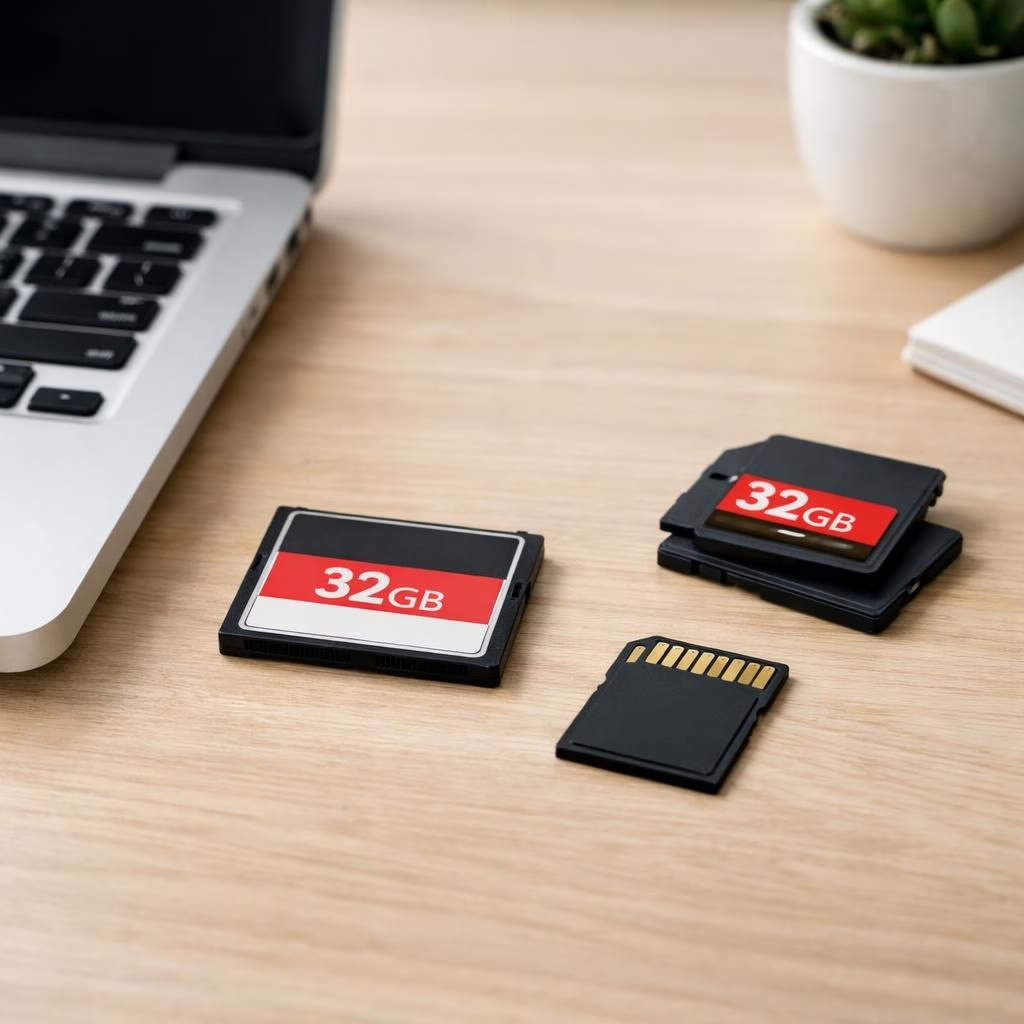
memory-card storage-crisis headlines aside, this piece looks at what Sony’s pause on SD card sales means for creators and consumers alike. In 2026, chip shortages meet retail shelves with a wry smile and a practical bend, reminding us that hardware often travels slower than our ambitions. Sony’s pause isn’t a verdict on microchips; it’s a reminder that complex supply chains are full of moving parts—some faster, some on backorder.
memory-card reality check: the storage-crisis unfolds
The headline reality is simple: Sony paused SD card sales due to an SSD shortage that traces back to semiconductor constraints. The company publicly cites storage-crisis in semiconductors and SSD components, not a vendetta against memory accessories. This isn’t a single-store stock blip; it’s part of a broader storage-crisis that threads through multiple brands and product lines. Journalists at Mashable and PetaPixel summarize the moment with clarity: when your memory-card options shrink, photographers and videographers must improvise, often with less margin for error. The Verge and Tom’s Hardware underscore the root cause: a mix of chip scarcity and logistics delays that ripple into pricing, stock replenishment, and firmware updates. The Times of India adds a global angle, noting how AI-driven workflows and metadata pipelines become more sensitive to even small hiccups in storage access. In short, the memory-card pause is not the apocalypse; it is a reminder that supply chains are a network of tiny gear and big dependencies, and a few missing chips can rearrange the entire calendar of shoots and backups.
storage-crisis resilience for creators
For creators, the storage-crisis isn’t just about nostalgia for the old accessory drawer. It’s a practical prompt to diversify, test backups, and rethink where your footage lives. Some teams stock spare devices from different brands, while others lean on cloud backups for non-live work and keep offline archives for critical shoots. The emphasis is on redundancy: multiple storage paths, secure verifications, and regular checksums to catch data corruption early. AI-powered asset managers can help, but they rely on solid storage foundations to function. If one card or one reader fails, your entire workflow doesn’t need to crash; it should bend, adjust, and recover—preferably with a calm notification rather than a frantic call to customer support. The storage-crisis also nudges developers to design firmware that gracefully handles missing units and to standardize data transfer rates so that a temporary shortage doesn’t derail a project. While the internet jokes about end-consumer inconveniences, the real story is about resilience, planning, and a touch of patience.
memory-card future-proofing strategies
Here are actionable tips to stay ahead in a memory-card world under stress from shortages. Invest in a small, diverse kit: a couple of high-end cards for fast shoots, a handful of midrange cards for backups, and a trusted USB-C reader for on-the-go offloads. Keep a catalog of your inventory with serial numbers and purchase dates so you know exactly what you have and what needs replacement. Build a routine: after shoots, offload to a local drive, verify with checksums, then synchronize to a cloud archive for long-term storage. Consider multiple brands to avoid single points of failure; test different reader models with your cameras to find the most reliable combo. In the larger picture, this isn’t about paranoia; it’s about operational continuity. As supply chains wobble, your creative treadmill should stay running. The goal is to minimize downtime, protect your footage, and keep your deadlines intact.
Industry-wide commentary notes that the semiconductor shortage has deeper roots in global manufacturing patterns, with echoes in firmware lifecycles and product line planning. The result is a marketplace where memory-card prices adjust, stock rotates, and new workflows emerge. Photographers and videographers who used to feel confident stocking up at a local retailer now plan months ahead, factoring potential delays into shoot calendars. The storage-crisis discussion also intersects with sustainability: buying fewer cards but more reliable ones, reading data carefully, and reusing and repurposing older cards when safe. The larger takeaway is clarity: plan, experiment, and adjust quickly when supply lines tighten. The Tom’s Hardware points out that shortages can encourage smarter procurement and better data management decisions. The Times of India notes that such pressures might accelerate the adoption of alternative storage strategies and cloud-first workflows among small studios and hobbyists alike.
In practice, the memory-card and storage-crisis moment feels like a friendly reminder from the ecosystem: if you want to keep creating, you must build robust storage habits. Sony’s temporary pause in SD card sales is not the end of portable storage; it is a nudge toward more diversified, resilient setups. While some headlines treat this as a sudden blackout, the more accurate read is a recalibration of expectations and an invitation to smarter resilience. In the end, the goal is simple: keep your projects safe, stay flexible, and keep producing even when a few chips are shy about showing up.
If you have tips from your own workflows or want to share how you handled a recent shortage, I invite you to leave your thoughts in the comments below. Your experience can help others navigate the memory-card and storage-crisis landscape with calm and competence.
Thank you to Mashable for the original reporting on memory-card and storage-crisis dynamics.
Source: First Western Digital, now Sony: The tech giant suspends SD card sales.
External readings
- The Verge coverage on memory cards shortages
- Tom’s Hardware — memory card industry update
- The Times of India — Sony SD card shortages analysis