

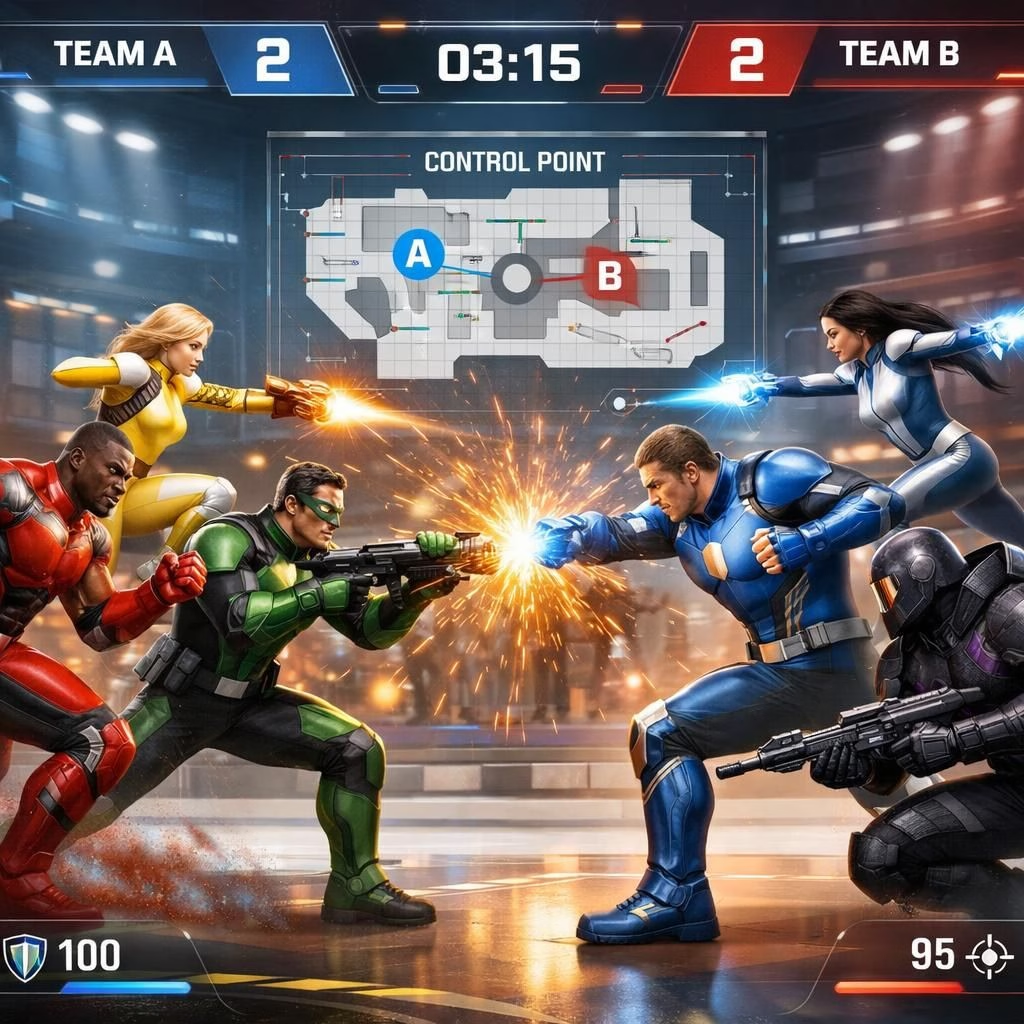
The Marvel Rivals landscape blends fast action with clever teamwork. The The Super Hero Team-based PVP Shooter ethos guides every decision, from pick bans to map flow. In this world, players assemble a squad, anticipate enemy rotations, and execute plays with a grin and a plan. This article keeps that spirit intact while unpacking what makes this genre sticky in 2026.
Marvel Rivals in The Super Hero Team-based PVP Shooter World
Core loops in Marvel Rivals reward communication, timing, and position. Teams coordinate ultimates, zone control, and objective pressure while staying cool. The balance relies on a flexible roster that blends frontline soak with backline poke. If you track patch notes, you’ll see the story of Marvel Rivals unfold one careful adjustment at a time.
Analyzing Marvel Rivals in The Super Hero Team-based PVP Shooter Mechanics
Designers lean into synergy over gadget wars, with roles like Support, Assassin, Tank, and Damage Dealer, each carrying distinct responsibilities. The The Super Hero Team-based PVP Shooter requires coordinated callouts to keep chaos from winning fights. The best teams establish a clear language for calls, so players react quickly when action blurs.
Matchmaking aims for balanced matches by skill rating, often pulling players into regional lobbies to cut ping. Latency remains a factor; high ping can undermine precision and punish late decisions. The audio design helps here: crisp hits and clear hit confirmations make misplays less painful and more forgivable. Visual clarity matters, too; bright color bursts for ultimates can blur the screen, so thoughtful palettes keep heroes legible.
On the tech side, developers drift toward scalable servers and crossplay options that respect regional connectivity. The goal is a fair, accessible experience for players who value teamwork over solo glory.
Marvel Rivals in The Super Hero Team-based PVP Shooter: player experience and pacing
Marvel Rivals rewards careful planning as much as fast reflexes. Pacing is the secret sauce. Short, explosive skirmishes tilt toward the edge of chaos, while longer sieges reward patience and preparation. The best teams leverage a shared mental model: they know when to chain stuns, retreat for shield uptime, and press after a trade.
Map design in Marvel Rivals plays a major part here. Clear sightlines favor sharpshooters, tight corridors reward flanking, and neutral zones create tension where both teams want the same objective. Seasonal events offer opportunities to experiment with skins and cosmetics, but the core thrill remains: teamwork, timing, and territory control.
For Marvel Rivals players who are just starting out, the early game is about fundamentals. Aim practice and cooldown awareness matter as much as hero selection. Communication beats solo prowess, especially when facing coordinated teams. New players should learn the layout of popular maps, the timing windows of team ultimates, and how to call out pressure without cluttering voice chat.
Long-term players can stay sharp by reviewing replays, noting where miscommunications crept in, and celebrating small triumphs that come from imperfect but improved teamwork.
In terms of accessibility, crossplay and region-based matchmaking help keep queues reasonable and opponents varied. The technical push toward stable servers, reduced input latency, and responsive client performance makes each session feel fairer. You’ll find yourself appreciating the bite-sized progress you make after each session—new combos clicked, a better map rotation, a cleaner callout pattern, or a smarter use of supports to peel enemy dive attempts. All these little wins accumulate into a richer, more enjoyable competitive journey.
Future directions, monetization, and practical tips
Marvel Rivals likely holds more balanced heroes, smarter matchmaking tweaks, and deeper team-centric features. Expect shifts that reward genuine coordination over raw hero power. A healthy cycle includes monthly patches that tune rewards, not just numbers. For players, this means staying curious, learning from top teams, and trying new roles when the meta shifts. Keeping an eye on monetization, cosmetics over power advantages helps keep the game fair and fun for everyone.
To ride the wave of changes, follow official balance notes, watch pro streams, and practice with your squad in focused sessions. The The Super Hero Team-based PVP Shooter rewards consistency and communication as much as flashy plays.
As a practical takeaway, form a routine: short warmups, map reviews, and post-round debriefs. Build a quick cheat sheet for positions and pressure points so your squad stays aligned. These habits translate into fewer mistakes and more confident plays when the pressure rises.
For anyone exploring Marvel Rivals or The Super Hero Team-based PVP Shooter, invite friends, stay curious, and learn from every round. Your best plays come from collaboration as much as cleverness. Share favorite hero combos, map strategies, and drills with your squad to help others grow.