

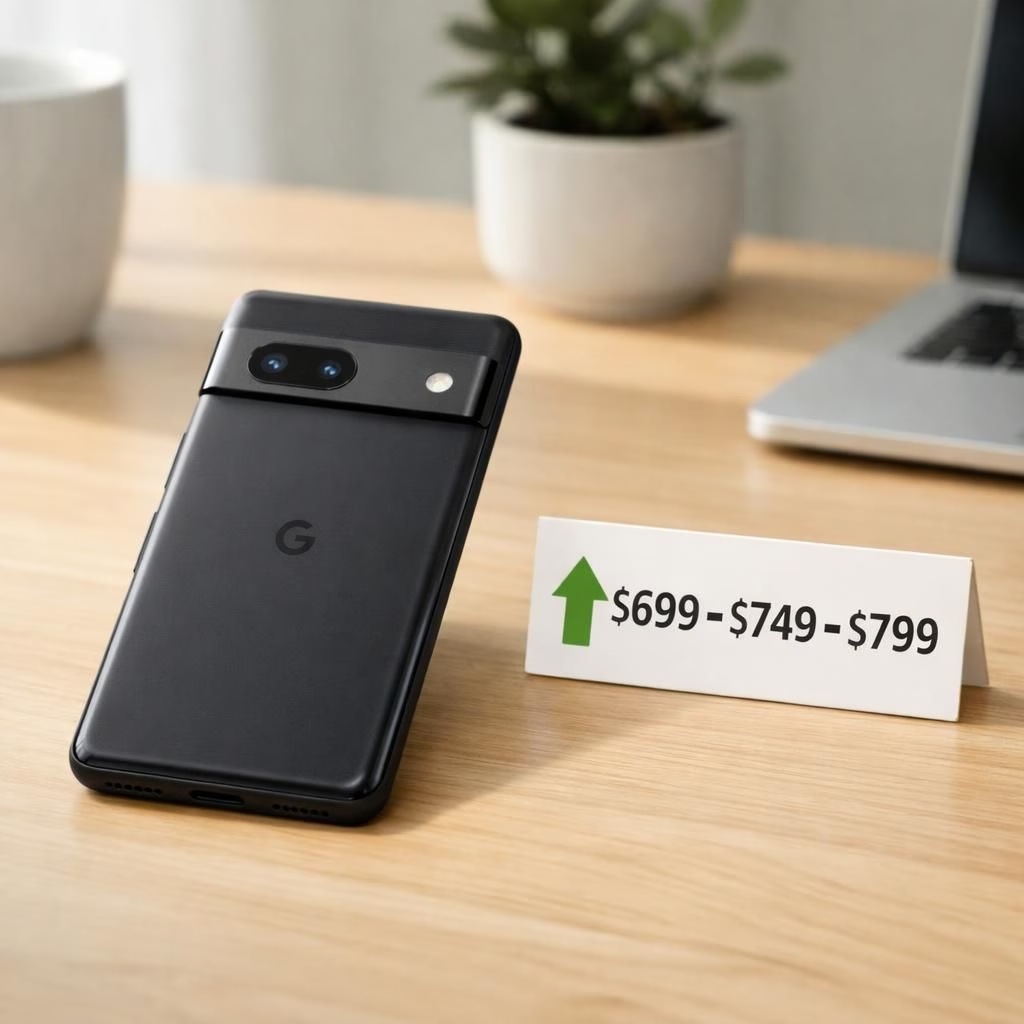
In 2026, Google Pixel fans brace for price bumps and RAM tweaks. This Tech News-flavored analysis aims to translate press snippets into guidance for real people. If you love the Google Pixel ecosystem, you can still look forward to clever AI features, long support windows, and a camera that keeps chasing pro results. The Google Pixel price reality in 2026 is less about a single misstep and more about a recalibration that rewards informed shoppers who read the fine print and watch for gradual price changes.
Google Pixel price reality in 2026
Prices ripple upward as Google refreshes hardware, software, and services. The Pixel line remains aspirational and reliable, but the sticker shock is real for budget-minded buyers. Tech News analyses point to several factors: premium materials, advanced imaging, and a robust update cadence that extends device life. If you compare older Pixel models, you might notice the base RAM has shifted down a notch in some SKUs, which means you sometimes pay for more memory in the software and services rather than hardware alone. The Google Pixel price reality in 2026 is less about a misstep and more about a strategy to offer longer-term value through software optimization and ecosystem viability. For loyal Pixel fans, this can feel like a fair trade; for deal-hunters, it’s an invitation to hunt for promos, bundles, and refurbished units that still carry a warranty and the latest OS improvements.
Tech News takes on RAM and value
Tech News coverage this year often frames RAM as a shorthand for experience. When a Pixel ships with moderate RAM, the on-device AI and background management can do more with less, if software is efficient and user habits are reasonable. In practice, Pixel devices rely on smart memory management, fast storage, and well-tuned apps to keep the experience feeling responsive. Tech News compares RAM tiers across generations, showing that the real story is often not the numbers themselves but the total package: software updates, camera processing, and smooth multitasking that remains accessible even if RAM sits at a lower baseline. The narrative from Tech News is hopeful: patience with updates, an emphasis on optimization, and a willingness to trade a little extra RAM for longer support cycles can pay off in the long run.
For shoppers navigating 2026, the central question is what you actually do with your Pixel. If you edit videos, run heavy apps, or keep dozens of tabs open, you’ll likely want a higher RAM configuration or a model with a larger memory footprint. If your usage is lighter—communication, photography, modest multitasking—then you can enjoy excellent performance even with a leaner RAM setup, especially as Google tightens software integration. The core advice from both Google Pixel fans and Tech News fans is pragmatic. Align RAM and storage with your real workflows, not just the flashy spec sheet.
The Pixel price reality in 2026 rewards informed decisions and a willingness to shop around, with patience potentially yielding a device that feels fast for years to come. The ecosystem remains compelling, with cloud storage, cross-device syncing, and AI features that reduce the pressure on local RAM by smoothing workflows.
Google Pixel strategies for buyers in 2026
Smart buyer strategies are the antidote to sticker fatigue. Start by watching official Pixel promotions and enrollment deals; there is often room to capture a trade-in credit, discount, or bundled service that sweetens the deal. Second, consider whether you need the highest RAM tier now or if you can manage with a mid-tier configuration while the OS grows into its capabilities. Third, certified refurbished models present a compelling value story when backed by warranties and retailer credibility. The combined insight from Google Pixel enthusiasts and Tech News outlets is that you can still enjoy a premium experience without paying top-tier RAM prices if you plan your purchase around timing and ecosystem advantages. The Google Pixel price reality in 2026 rewards informed decisions and a willingness to shop around, with patience potentially yielding a device that feels fast for years to come.
Finally, remember that the Pixel ecosystem extends beyond the phone itself. Cloud storage offers a practical way to offset limited local RAM, while cross-device syncing and AI features can reduce the need for raw memory by making workflows smoother and more integrated. The Tech News coverage highlights how optimization, not just hardware, defines longevity.
The Google Pixel journey in 2026 is a reminder that a purchase is not a single transaction but a doorway into a suite of services and updates that evolve with you. The more you align your expectations with the true value proposition—software longevity, better AI features, and reliable updates—the more satisfying your Pixel experience will be, RAM or no RAM.
As you weigh next steps, keep in mind that the 2026 market is less about fear and more about strategy. If you want a Pixel smartphone that stays fast with minimal trouble, pick a model that fits your typical app load, plan around promotions, and keep an eye on memory usage through real-world testing. The message from Google Pixel fans and Tech News analysts is clear: you can manage without legacy RAM if you lean on software efficiency and a strong update path. And yes, a little humor helps—remember that your wallet gains as your Pixel ages gracefully with updates rather than becoming a memory-hog after a single year.
We invite readers to share their experiences with RAM, price shifts, and Pixel longevity in the comments. Your stories help others navigate 2026 with confidence and a smile as they decide when to upgrade, when to hold, and how to optimize their Pixel setup for a practical, long-term tech life.
Original reporting: Google Prepares Pixel Buyers for Increased Prices, Less RAM — Droid Life. Thank you to Droid Life for the original reporting and for starting this conversation. Original article: Original article.