

When Apple announces dialed-down Liquid Glass and a glossier approach to Tag B, it feels comforting. The premise is simple: fewer reflections and crisper text that matter for daily use. Liquid Glass isn’t bling; it’s friction reduction, and the interface benefits show up in long sessions on Mac and iPhone.
Liquid Glass Gets a Lighter Touch
The tweak behind Liquid Glass reads like a tiny recipe. The glass layer is tuned to reflect less of your room and more of your content, reducing glare across daylight and dim environments. You notice fewer glare hotspots on home screens, menus, and map labels. In practice, Liquid Glass offers practical polish, not flash.
Transparency Slider: A Subtle Power Move
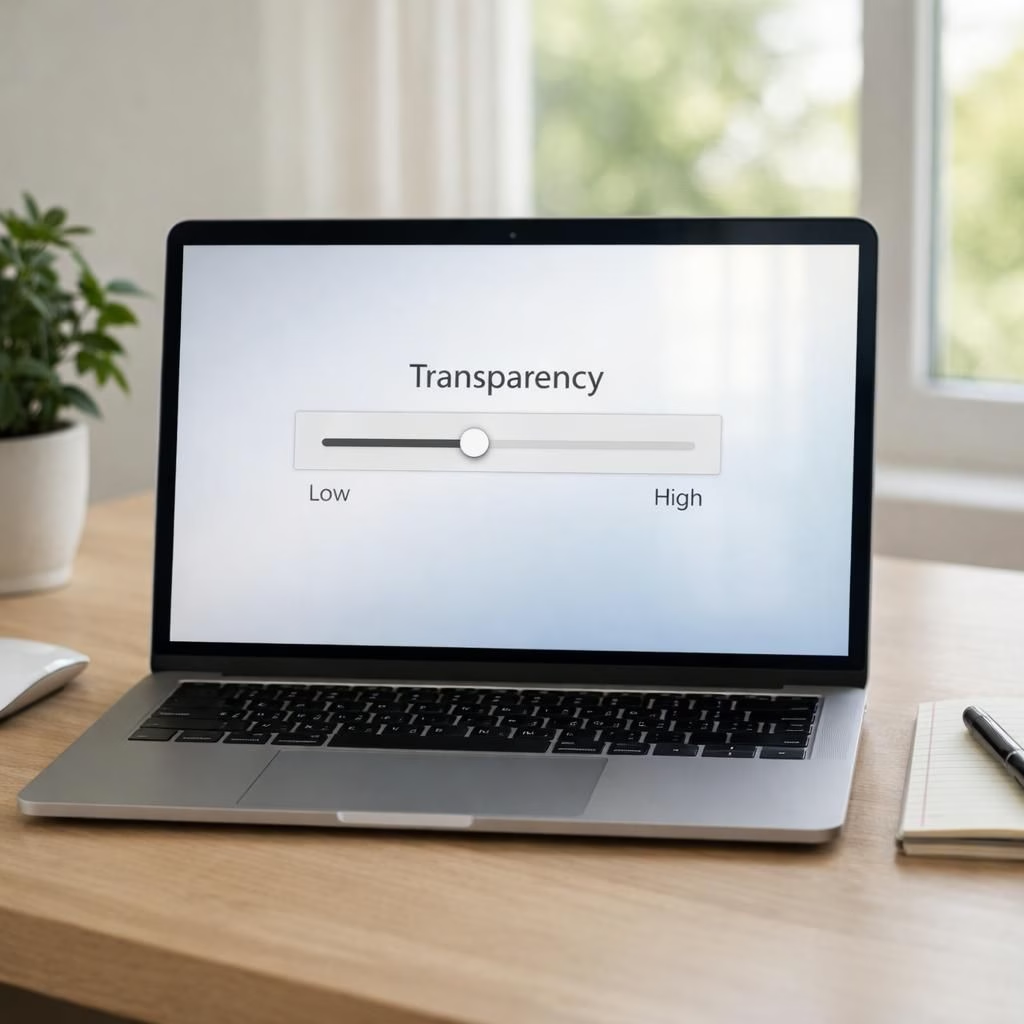
Transparency arrives as a user control rather than a concept. The new slider lets you decide how much of the background UI is tinted versus left crisp, and you can see the effect quickly on text and video. When paired with refreshed iconography from iOS 27, the result is a calmer visual hierarchy across apps. You choose the amount of Tag B, and the change feels deliberate and practical.
Beyond display tweaks, the software layer signals a broader trend. iOS 27 brings new app icon designs for many iPhone apps, aligning with cleaner silhouettes and less distraction. Icons scale well on iPhone and Mac displays, and the user experience benefits ripple out: fewer accidental taps and faster recognition. The Liquid Glass and Tag B features pair with these design choices to reduce toggle fatigue and invite focus.
On the hardware side, the Mac line looks sharper with less glare in bright environments and longer viewing comfort. The improvements are calibrated adjustments rather than a single patch, delivering a Mac that feels confident on a desk or in a cafe and an iPhone that avoids stubborn brightness. Observers note real-life benefits: longer reading without strain and easier edits.
For developers, the shift means revisiting color palettes, typography, and contrast to fit the new boundaries. The goal is legibility across lighting conditions while preserving app identity. Some celebrate brighter typography and bolder icons; others seek best practices for dark mode with the new glass. The overall effect is a more forgiving design language that respects hardware. Think of Liquid Glass as a smart coat of varnish and Tag B as a curtain that decides how much sun to let through.
As a reader, you may wonder if these tweaks justify the upgrade. The answer is nuanced but hopeful: the change doesn’t demand a wholesale rethink of your daily flow, but it invites longer viewing with less squinting. We gain a more coherent experience across Mac and iOS, with fewer Jarring jumps when switching apps. The interplay between Liquid Glass and Tag B creates a visual language that reduces cognitive load and speeds recognition. In practice you notice faster readability, smoother transitions, and a calmer color environment. The refresh feels practical, friendly, and a touch cheeky in a quiet way.
To round out the picture, headlines from coverage show a broader trend: Apple refines what users value—clarity, control, and comfort. The Verge, Gear Patrol, Mashable, 9to5Mac, and MacRumors captured threads of this story, and this piece stitches them into a readable narrative. If you want quick summaries, follow the embedded references and compare perspectives. The core thread remains the same: less glare, better control, more personality in the interface, and a platform that cares about eye-time as much as data.
Love this direction? Share your thoughts in the comments and tell us how Liquid Glass and Tag B affect your screen-time. Original reporting and inspiration: The Verge — Apple macOS 27 hands-on. Thank you to the original source material for sparking this conversation.
Practical tests: Liquid Glass and Transparency in daily use
- Toggle the Transparency slider to see how text and icons adjust in real time.
- Switch between light and dark mode to compare readability with Liquid Glass enabled.
- Test scrolling in a bright environment and in a dim room to note glare changes.
- Open several apps with dense text and watch for reduced eye strain over a short period.