

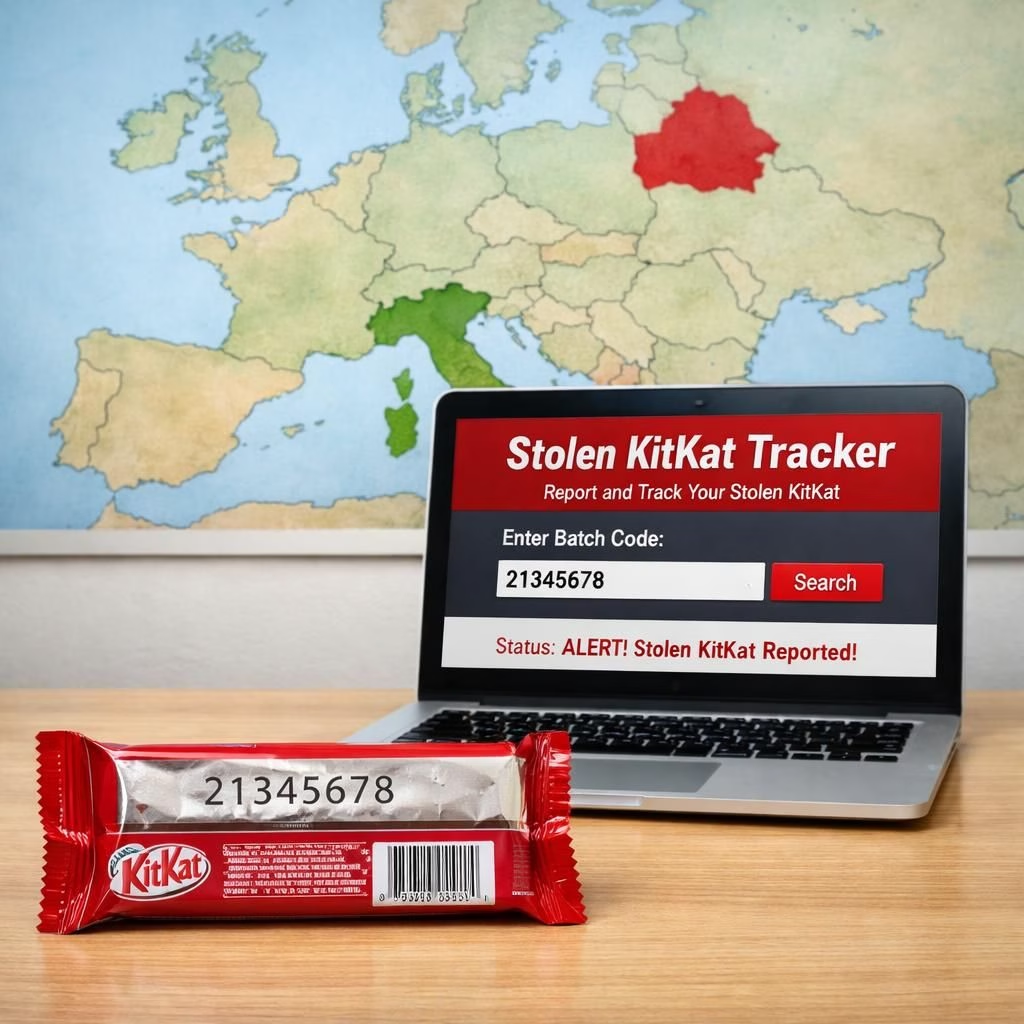
KitKat and Nestle are turning a high-profile theft into a teachable moment for shoppers and fans alike. In 2026, when 12 tonnes of KitKat disappeared along a route from a Central Italian factory to a warehouse in Poland, the story read more like a case study in supply chain quirks than a crime report. The official statements from the brands leaned into humor while delivering practical facts. This blend—a dash of whimsy with a reliable, step-by-step tracker—lets the public participate without losing trust. For readers, it’s a reminder that brands can be playful yet responsible, and that a missing batch can spark more learning than panic.
KitKat and Nestle Turn a Theft into a Tracker Tale
The Stolen KitKat Tracker is designed to be easy to use and precise. Nestle’s messaging—cheery but serious—notes that 413,793 KITKATS HAVE BEEN STOLEN and that this is not a prank. To determine whether your KitKat bar belongs to the missing batch, look for an eight-digit batch code on the back of the wrapper. Then visit KitKat’s official X profile bio and click on the “Stolen KitKat Tracker.” Enter the eight-digit code, and the tracker will confirm whether your KitKat belongs to the 12T lot in transit. This is a concrete, transparent approach that invites participation while demystifying the numbers behind a supply chain story.
KitKat Codes and Nestle Transparency: A Public Lesson
Behind the humor, the mechanism is straightforward: each bar carries a unique eight-digit batch code. The tracker cross-references that code with the known missing lot, bridging the gap between a sensational headline and practical consumer actions. Nestle fans can engage without fear because the process is open, and Nestle keeps updating the public with clear steps. The approach demonstrates how a brand can leverage a moment in the spotlight to reinforce trust. It also shows that effective communication can turn a potential PR stumble into a collaboration between company and consumer.
For other brands, the KitKat/Nestle approach offers several takeaways: maintain a light tone, provide concrete steps, and invite consumer participation. In a world where supply chain news travels faster than a checkout line, a transparent tracker can boost confidence. The key is to avoid sensationalism while still giving readers the information they need: where the batch traveled, what to check on the wrapper, and how to verify authenticity. The marketers behind this project are balancing brand voice with responsibility, a balance more brands could emulate.
The broader trend of corporate statements arriving online—think Amazon, Microsoft, McAfee, and DoorDash—adds to the practical education. These unofficial posts, often witty, distance the brand from misfortune while nudging readers toward a product or service. The joke-friendly tone does not undercut seriousness; rather, it builds a shared memory of the event and reduces the fear around consuming a mislaid batch. In 2026, such creative engagement is less about selling and more about teaching people how to read product information, recognize batch codes, and understand the journey from factory to shelf.
From a consumer perspective, the Stolen KitKat Tracker is a practical tool, not a marketing trick. It shows how a large batch event can be transformed into a teachable moment about packaging, labeling, and how to decode codes printed on the wrapper. Seeing the numbers—such as an eight-digit batch on every bar—helps shoppers feel empowered rather than anxious. For the chocolate industry, the approach demonstrates the value of traceability and proactive communication when something goes wrong, turning a PR challenge into a collaborative exercise with the public.
Security-minded readers in 2026 will appreciate the reminder that batch traceability is not cosmetic. It touches on anti-counterfeiting measures, supply chain resilience, and how companies can respond fast. The Stolen KitKat Tracker invites people to participate intelligently: check the back of your bar, enter the code, and report suspicious activity. The outcome is not only a solution to locate missing products but also a shared knowledge base that educates families, students, and curious shoppers about how modern logistics works.
As we close, I invite you to share your thoughts in the comments section with examples from your own kitchen shelves or grocery runs. Has a simple tracker changed how you view your snacks? Do you see more benefit in playful brand engagement or in plain, practical information?
Original article: https://example.org/stolen-kitkat-2026. Thank you to the original source for material that inspired this rewrite.
How to use the Stolen KitKat Tracker: a quick guide
- Find the eight-digit batch code on the back of your KitKat wrapper.
- Open KitKat’s official profile bio (X) and tap the Stolen KitKat Tracker link.
- Enter the eight-digit code to see if your KitKat is part of the missing 12T lot.
- Follow Nestle‘s official updates for the latest status and how to verify authenticity.
FAQ
- How many KitKats were stolen? The official statement cites 413,793 KITKATS.
- How can I tell if my KitKat is from the missing batch? Look for the eight-digit batch code on the back and use the Stolen KitKat Tracker to check.
- Who is behind the tracker? The project is led by KitKat and Nestle.
- Why use humor in official statements? A light tone helps reduce panic while keeping customers informed and confident in product safety.
- Is batch-coding enough to prevent counterfeits? Batch codes help, but verification requires additional checks such as packaging quality and retailer provenance.
References
Times of India — KitKat update for tech companies