

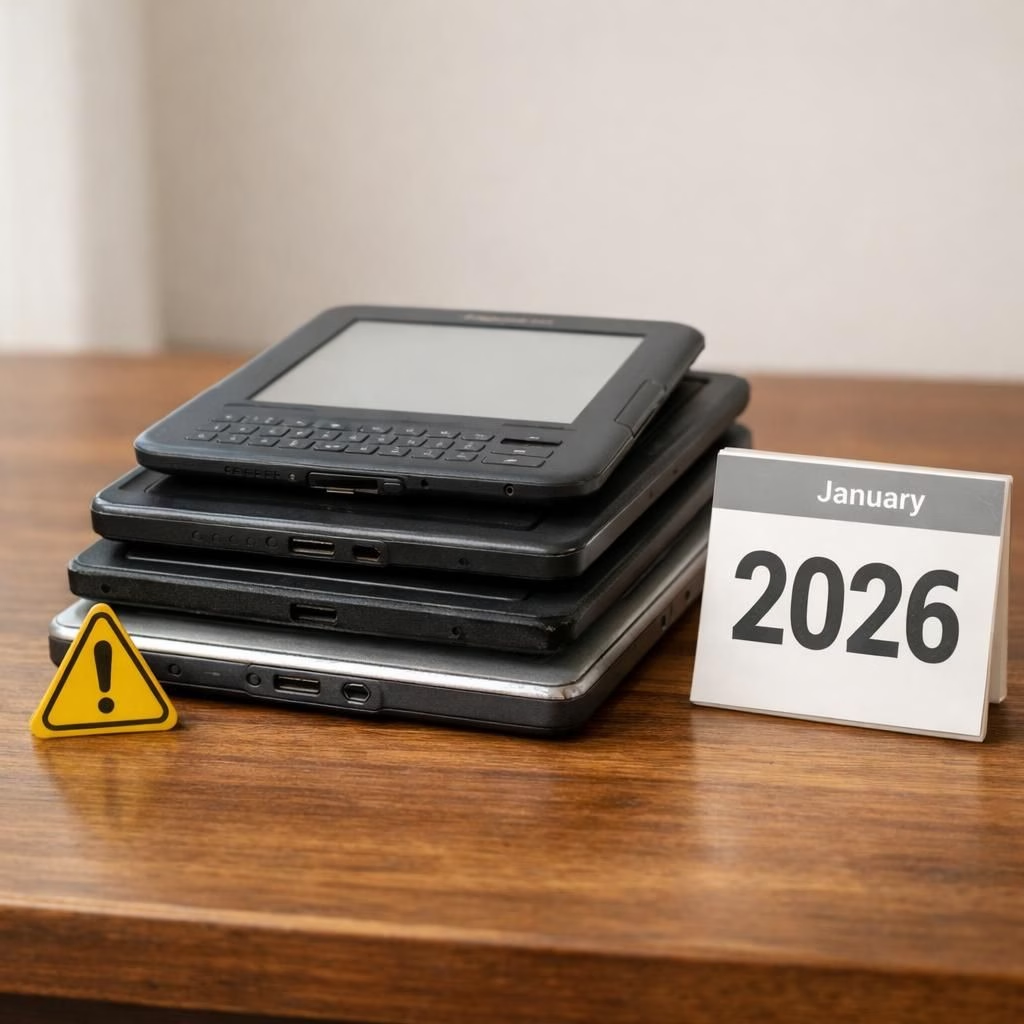
If you own a Kindle, you know that even a trusted device can surprise you: a quiet update that changes rules for hardware you treated as companions, not relics. In 2026, Amazon is trimming official support for older models, a practical retirement plan with a wink. The aim is simple: lighten the load on legacy hardware to focus energy on current readers. This isn’t a villain’s plot; it’s a deliberate shift from a broad, evergreen catalog to a curated present. And yes, this affects readers who still enjoy long afternoons with paper-light screens and a glow that says, yes, you can still borrow a story from the shelf in your living room. In short: Kindle devices and the ecosystem are nudged toward a cleaner, leaner future, with a touch of nostalgia for what came before.
Kindle and Amazon: A Gentle Sunset for Old Devices
Historically, older Kindles — think models released before the mid-2010s — faced creeping limitations as the Kindle Store evolved. The basic reality is simple: hardware ages, software demands rise, and compatibility becomes a moving target. The company has signaled that certain models will lose new store access, which means fewer updates, no new purchases, and a shifting baseline for what content stays accessible. This isn’t the end of reading on these devices, but it is a rebalancing of what the Kindle family can do as a linked package with the wider Amazon ecosystem. For the average reader, the effect blends practicality and disappointment, a reminder that every device has a lifespan, even the Kindles that once felt nearly immortal. And for Kindle fans, the question isn’t only about what you can read today, but what you can’t download tomorrow as new formats and DRM policies arrive with the spring air of a tech-policy update from the company.
Kindle migration tips for Amazon-era changes
If you’re worried about a Kindle that might soon miss the Store party (or the ability to purchase new titles), here are grounded steps. First, back up your already acquired content. If you own e-books or PDFs, save local copies where permitted. This isn’t a conspiracy; it’s good practice. Next, plan to distribute your library across devices. If you have newer Kindle hardware or a tablet with the Kindle app, you can often continue reading your purchased titles there. The transition is smoother when you prepare. For many readers, the best move is to enjoy what you have, then gradually shift toward compatible formats and devices that stay current with updates. Remember that the ecosystem remains friendly: you can usually re-download purchases on supported devices and access your library through cloud readers even if the older Kindle becomes more of a dedicated offline reader. Kindle and the company still want you to enjoy your books; the path just requires planning and less scrambling when updates roll out.
Kindle and Amazon: How to Protect Your Library Today
Protecting your Kindle library in 2026 is less dramatic than a fire drill and more like a well-lit, patient cycle. Start by auditing your content. If you have titles that were lent or shared via the Kindle ecosystem, confirm how access works on current devices. Kindle formats may vary, and DRM updates can affect older hardware. It’s wise to verify your most cherished books and have copies on devices that remain supported. If you’re a power reader who uses a classic Kindle or the Kindle app on a tablet, you can continue reading with minimal friction. The key is to keep your most-read titles accessible in a supported format and ready to transfer when you upgrade. Kindle and the company aren’t turning off curiosity; they’re guiding it toward devices that can reliably deliver updates, security patches, and a smoother reading experience.
To make this transition smoother, consider consolidating your reading across devices. If you own a modern Kindle, you can continue purchasing and syncing books across devices with your Amazon account. If you don’t, take advantage of the Kindle app on a phone or tablet to keep your library in sync. The goal is to preserve access to your purchases and your reading rhythm, not to punish loyalty. The Kindle saga has a new chapter, one that promises efficiency, better security, and a quieter existence for older hardware. Kindle and the company are not abandoning you; they are inviting you to reorganize your reading life for the next decade of stories.
In the broader tech landscape, this trend mirrors how ecosystems handle aging devices. The move helps reduce support costs, prevents security vulnerabilities on aging hardware, and nudges users toward devices that can better handle streaming, large DRM-protected catalogs, and frequent app updates. For readers, that means fewer surprises and a more predictable experience, even if it means letting go of some beloved older Kindle hardware. The tone remains practical, with a wink at the good times spent with a device that once felt nearly invincible. Kindle and Amazon will continue to serve readers with an eye toward sustainability, which is the spirit we should applaud even as we adjust our nighttime reading routines.
Finally, a word about the community: this shift sparks discussion, tips, and shared strategies among readers who treasure their Kindle libraries. The best advice often comes from fellow users who have walked this road before, offering tested workarounds and practical migrations. If you’re juggling multiple devices, you’ll find it’s not about losing access; it’s about maintaining access with better tools and a more stable platform. Kindle and Amazon will continue to shape how we read, but the core joy remains the same: stories, knowledge, and the simple pleasure of turning a page. As you navigate this change, stay curious, stay prepared, and stay connected to the library you’ve built across your devices.
We owe a note of gratitude to the original reporting on this topic, which helped shape this overview. A big thank you to the thoughtful coverage from Engadget, The Verge, The Register, PCMag, and XDA for bringing clarity to how Amazon’s policy shifts affect real readers. For those who want to dig deeper, the linked sources provide the context and the finer print behind these moves.
FAQs
- What models are affected? Older Kindles released before the mid-2010s are the primary targets for reduced store access and ongoing updates.
- Will I still access my purchases? Purchases can usually be re-downloaded on supported devices, but some formats or features may require newer hardware.
- Should I upgrade now? A staged upgrade often makes the transition smoother, letting you migrate without losing your place in a series.
- What about DRM? DRM policies may evolve; keep copies of your favorites in formats that current devices can read.
- Is there a workaround? The practical path is to use a mix of newer Kindle hardware and the Kindle app to maintain access and syncing across devices.
Bottom line
In 2026, the goal isn’t to punish loyalty but to preserve a healthy ecosystem. The shift helps focus on secure updates, smoother syncing, and a clearer path forward for readers who want to keep collecting stories without getting stalled by aging hardware. Stay flexible, back up what matters, and migrate thoughtfully as needed.
References
Original reporting and appreciation: Engadget, The Verge, The Register, PCMag, XDA. Thank you to these outlets for their comprehensive reporting that made this overview possible.