

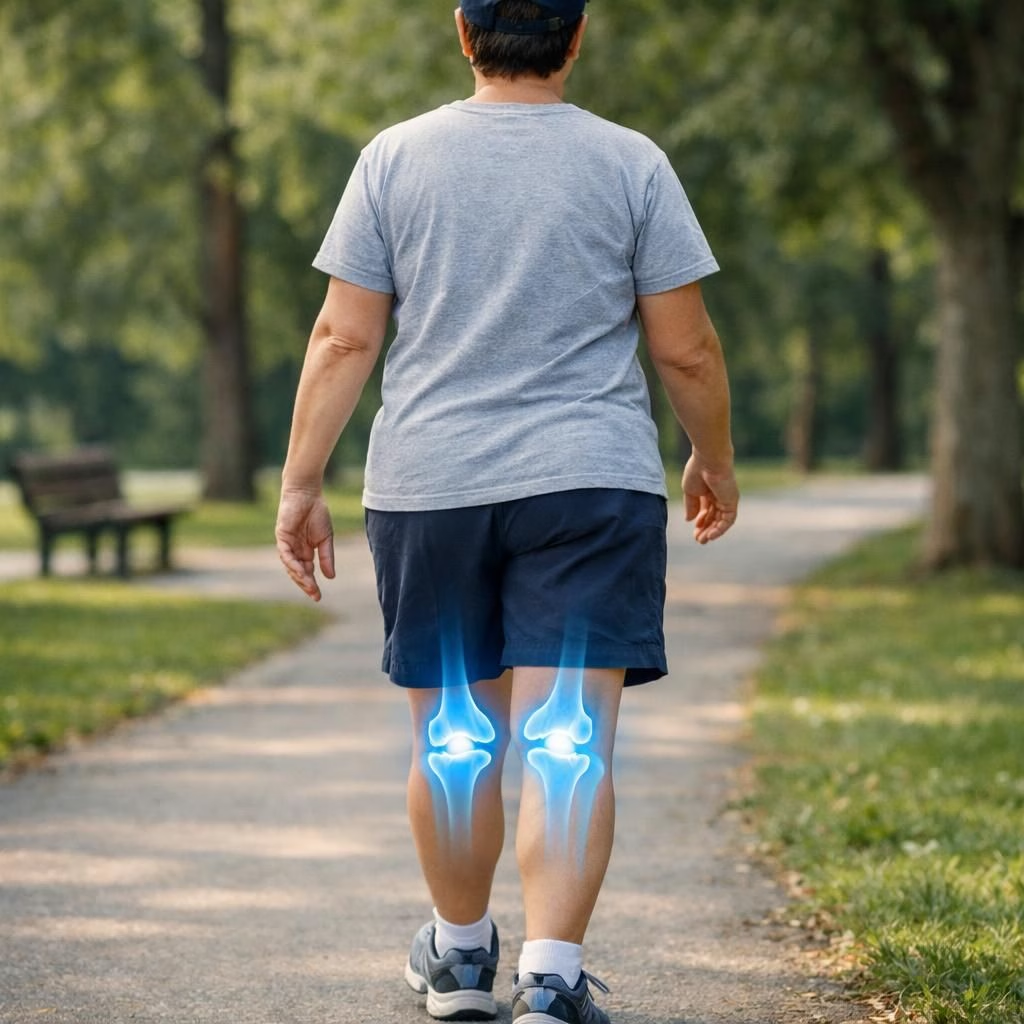
In 2026, science nudges the door open just a bit wider for aging joints and the stubborn problem of osteoarthritis. Researchers describe a breakthrough that aims to restore damaged cartilage, improve joint function, and maybe spare someone from early retirement due to joint pain. The claim is not a magic wand; it’s a carefully designed sequence of steps that could, if proven in humans, slow progression and reduce pain without the everyday hassle of heavier drugs. In short, this breakthrough touches the concept of healing joints and offers a pathway that might also ease the heavier burden of osteoarthritis for many people.
Joints: The Breakthrough in Plain Language
Scientists are pursuing cartilage regeneration by combining scaffolds with living cells and growth factors. A scaffold provides a temporary architecture; cells populate it; growth signals guide tissue formation. The result, in animal studies or early human testing, is new cartilage that could restore some of the padding that age and wear have eroded in the joints. The approach is not simply injecting a gel and hoping for the best; it requires precise timing, mechanical cues, and careful monitoring. When patients walk after a successful implant, the new tissue has to handle compression, shear, and the occasional awkward step with the same resilience as healthy tissue. The term osteoarthritis pops up often here because the team wants a therapy that addresses the root problem — cartilage loss — without merely masking symptoms. If validated, this line of work could offer a genuine change for osteoarthritis and for the clinicians who care for them.
Osteoarthritis: Realistic Hopes, Real-World Hurdles
osteoarthritis is not a single disease name but a spectrum of joint wear, inflammation, and pain. This breakthrough would target the cartilage deficit, potentially easing pain and slowing degeneration. But there are big caveats. First, human systems are more complex than lab mice; success in animals does not guarantee success for people. Second, manufacturing safeguards, quality control, and personalized dosing matter. Not every patient has the same tissue quality or the same healing capacity. Third, cost and access will influence whether the therapy reaches clinics or stays in research journals. Researchers also must demonstrate that regenerated cartilage remains durable for years, resisting daily wear and micro-injuries. Beyond science, clinicians must navigate regulatory approvals, insurance coverage, and the realities of busy operating rooms. All of this means that while the future looks brighter for osteoarthritis care, it will arrive in stages rather than as a single dramatic drop from the lab to the living room.
Joints: Practical steps for daily care
Practical steps toward turning a breakthrough into better joints involve a blend of biology, engineering, and patient care. Some teams emphasize minimally invasive approaches that minimize recovery time; others explore combined therapies that pair regeneration with anti-inflammatory strategies. The integration with physical therapy improves outcomes by teaching patients how to load joints safely and strengthen supportive muscles. This combination can make a real difference for joint health and for people navigating osteoarthritis, with a focus on safer movement and steady progress.
osteoarthritis: What the breakthrough could change
Looking ahead, the most meaningful impact would be safer, longer-lasting joint function for many people living with osteoarthritis. The work may not arrive as one dramatic event, but as a series of improvements in surgical techniques, biomaterials, and rehabilitation strategies that work together to reduce pain and boost mobility.
Long-Term Outlook: The Road to Real-World Therapy
Even with the best data, translation to clinic floors takes time. Trials must enroll diverse groups, track long-term safety, and measure both function and pain over years. The timeline matters because people living with osteoarthritis and impaired joints want reliable improvements, not quick fixes that fade. The ethical and economic dimensions also require attention: equitable access, fair pricing, and transparent communication about what the therapy can and cannot do. If the network of researchers, clinicians, and patient advocates stays aligned, the breakthrough could become a standard option in a future toolkit for joints and osteoarthritis care. The goal is not just to fix one joint; it is to improve overall quality of life for people who navigate pain and stiffness every day.
In sum, the science behind restoring aging joints carries meaningful potential for osteoarthritis management, while remaining grounded in rigorous testing and thoughtful clinical design. If successful, patients may enjoy longer joint mobility, a calmer daily rhythm, and a brighter sense of ownership over their bodies. The path ahead combines cartilage biology, surgical technique, and rehab science in a pragmatic, human-centered way.
Original article: ScienceAlert: Breakthrough to Restore Aging Joints Could Help Treat Osteoarthritis. Thank you to the ScienceAlert team for the original reporting that sparked this discussion.
Have thoughts or questions? Share them in the comments below; your perspective helps others understand what this means for daily life and future therapies.
FAQ about joint regeneration and osteoarthritis
Q: Will this be available as a simple clinic procedure or require major surgery? A: That depends on the specific approach and patient factors; many versions would start in specialized centers and move toward broader use as safety and manufacturing scale up.
Q: What is cartilage regeneration, in plain terms? A: It is a tissue-engineering approach that aims to replace damaged cartilage with new, living tissue using scaffolds, cells, and signals to guide growth, with the goal of restoring cushioning in the joint.
Q: How soon could patients see meaningful relief? A: Researchers emphasize careful trials and long-term follow-up; even promising results take years to translate into routine care.
Q: Are there risks I should consider? A: Yes, as with any regenerative therapy, there are potential risks from surgical procedures, immune responses, and variability in how patients respond to the treatment.
Takeaway and next steps
- Cartilage regeneration aims to address root causes of joint pain, not just symptoms.
- Real-world therapy will arrive in stages, with ongoing testing, regulation, and access considerations.
- Patients should stay informed, discuss options with their clinician, and engage in joint-protective exercise and rehabilitation as part of a comprehensive plan.
References
- ScienceAlert: Breakthrough to Restore Aging Joints Could Help Treat Osteoarthritis
- NIAMS: Osteoarthritis
- Mayo Clinic: Osteoarthritis
- Arthritis Foundation: Cartilage Repair Treatments