

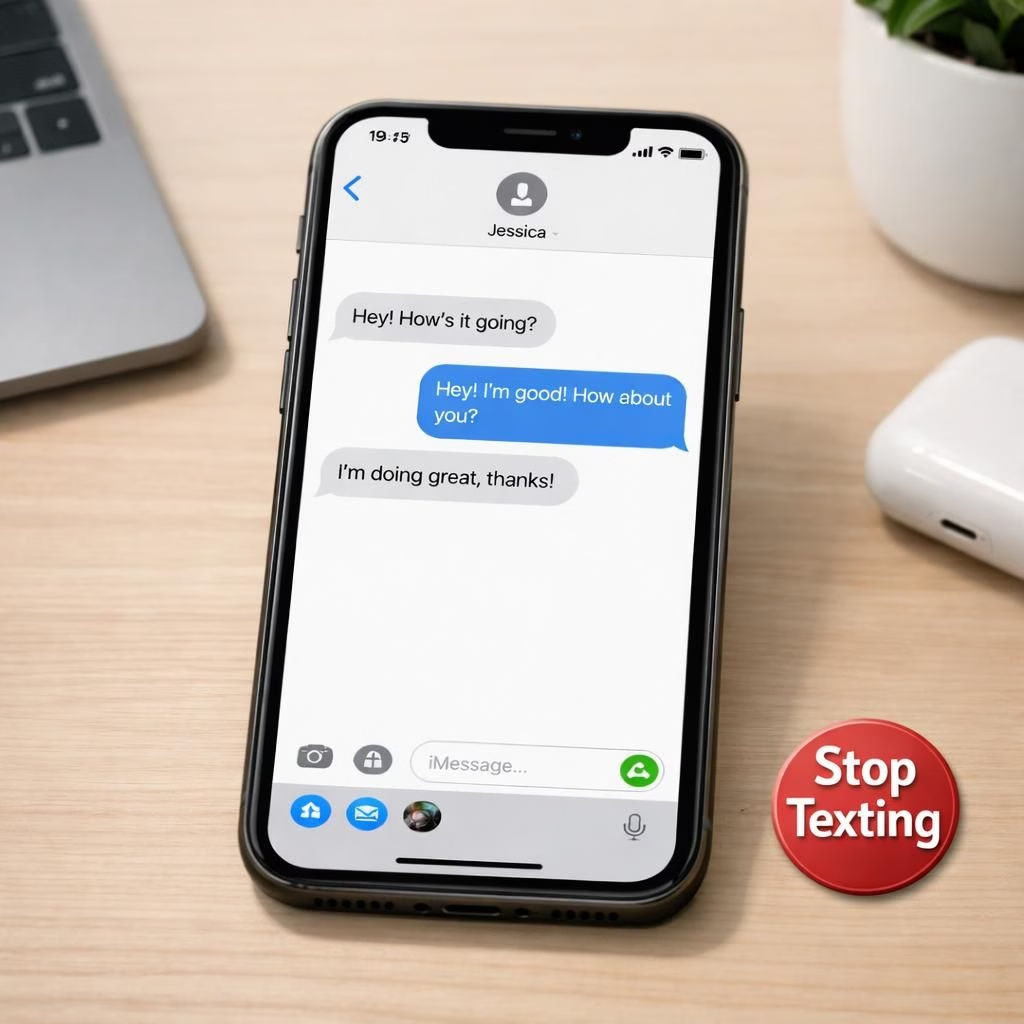
Forbes highlights a milestone for iPhone and Tag B that feels like a bookmark in the ongoing saga of mobile devices. In plain terms, a 15-year shift changes the iPhone and Tag B landscape we all grew into. Expect a mix of bold design choices and practical tweaks, delivered with a wink and a spreadsheet-ready tone.
iPhone texting: Why this matters for users in 2026
Apple rethinks what a phone can do. It isn’t just about what it shows; the iPhone hardware remains familiar, while the software shifts toward energy efficiency and privacy controls that feel friendly. The camera suite gets smarter at recognizing scenes and adapting to lighting, and the system reduces background tasks to save battery. Across devices, messaging and file syncing become smoother, making iPhone texting feel less scattered across gadgets.
iPhone texting: The future of messaging and hardware in a changing landscape
On the interface side, gestures become simpler, and apps breathe with new privacy prompts that are friendly rather than forensic. The result is an experience that rewards consistency without nagging. In practical terms, this means fewer prompts at random moments, quicker access to important conversations, and a smoother handoff between devices. Developers receive clearer guidelines and more predictable platform behavior, which helps everyone ship better features with less drama.
From a user perspective, expect longer battery life in typical daily use, an improved camera pipeline for low light, and smarter power management that keeps essential services running when you need them most. The changes also invite businesses and casual users to rethink how they interact with devices: fewer, better prompts; more reliable syncing; and a refreshed approach to accessibility that makes the device friendlier to a wider range of people.
For creators and makers of apps, the new posture matters. The platform now favors lightweight, privacy-respecting experiences that can scale across screens without friction. It’s a reminder that progress isn’t always flashy, but it can be transformative when it arrives with clear intent and good timing.
Original article: Stop Texting—Apple Changes iPhone After 15 Years. Thank you to Forbes for the original material that sparked this reflection.
If you have thoughts, questions, or a playful critique about these shifts, share them in the comments below. I’d love to hear your takes on this evolving chapter.
Practical steps you can take today
- Review new privacy prompts in Settings and adjust your preferences for a calmer onboarding experience.
- Test cross-device handoff by sending a message from iPhone to another Apple device and back.
- Explore power-management settings to optimize battery life during your daily routine.
FAQ
- What does this shift mean for everyday use? It emphasizes privacy, energy efficiency, and smoother cross-device interactions, with fewer interruptions.
- Will battery life improve? Yes, thanks to smarter power management and fewer background tasks.
- Do developers need to adjust apps? Yes, with clearer guidelines and a focus on lightweight, privacy-respecting experiences.
- Where can I learn more? See Apple’s official newsroom and the Forbes link below for further context.