

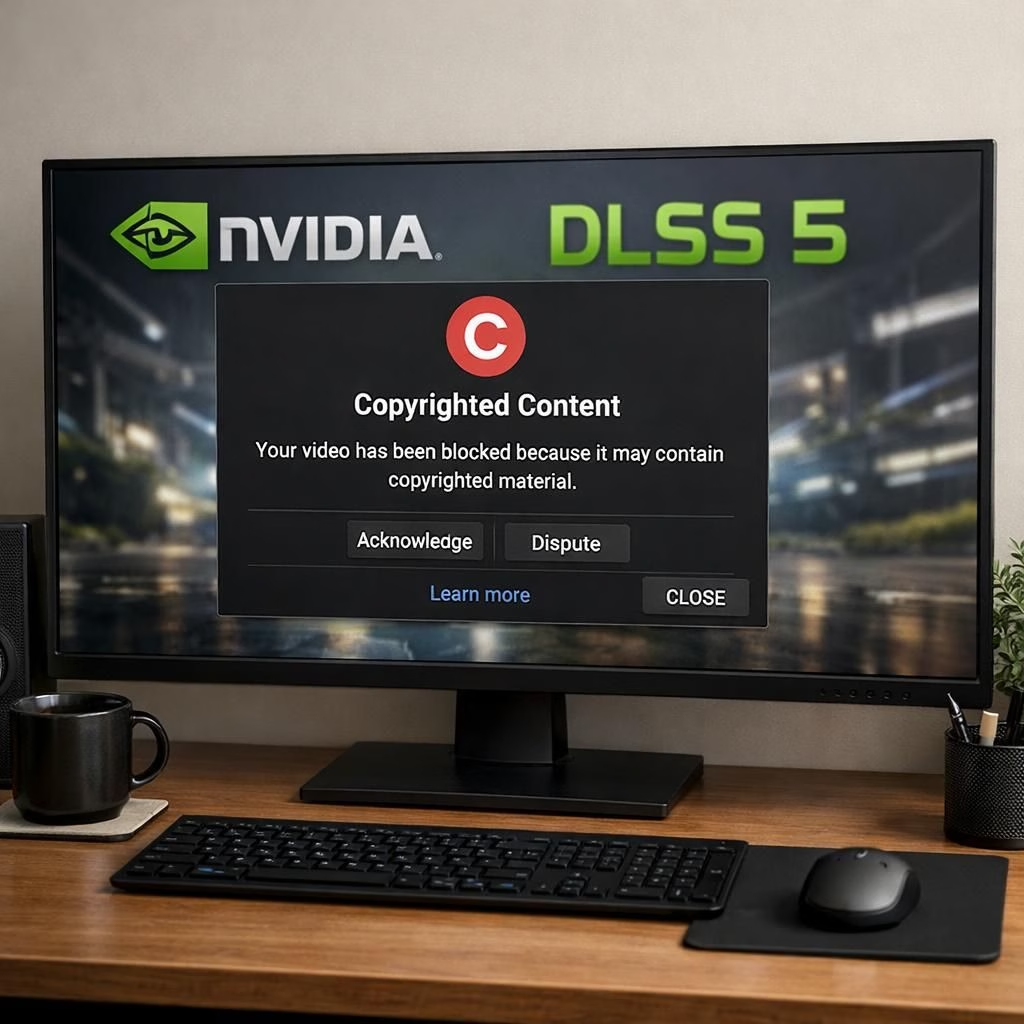
In 2026, AI and video content collide in a way that invites curiosity. NVIDIA DLSS 5 headlines the discussion as much as the tech itself. La7, an Italian TV channel, aired the DLSS 5 trailer and then filed copyright claims on the same footage.
The sequence sounds like a prank, but it hit real creators, real channels, and even the NVIDIA account. YouTube’s automated Content ID system became the stage for a public debate about who owns what in a world of AI-generated assets.
Creators reported their videos claimed or blocked after La7’s action. The feedback was fast and loud: a warning that the detection tool may misread dates, contexts, and the difference between reference material and original footage.
This is not a verdict on DLSS 5 quality or NVIDIA’s branding; it is a case study in system fragility and human oversight. The broader message: one claim can disrupt a chain of uploads, playlists, and brand videos. The tone here stays constructive, focusing on lessons and improvements for 2026 and beyond.
NVIDIA’s own DLSS 5 trailer vanished behind a copyright notice in some views, a reminder that even official content can be pulled into policy disputes. DLSS 5 remains a marquee AI-driven upgrade, showing off better lighting and textures through machine learning, and it deserves a fair test, not a faulty flag.
The article aims to translate a chaotic moment into practical guidance for creators and platforms alike.
NVIDIA and DLSS 5 in the wild: what creators should know
First, the incident wasn’t about piracy; it was about automated detection misreading context. The fact that La7 used NVIDIA’s DLSS 5 trailer and then filed claims on content that includes that trailer exposed a weakness in checks.
For creators, the lesson is clear: keep originals offline, document usage, and understand fair use boundaries. The system rewards clarity, not clever timing.
For NVIDIA, the event is a reminder to monitor platform flows and be ready to contest claims quickly. For platforms like YouTube, it is a call to strengthen cross-checks between dates and content ownership.
The DLSS 5 brand gains exposure, but the risk comes from misapplied takedowns. The core advice for creators is simple: verify sources, check licenses, and act fast when a strike lands. In practice, this means building a small workflow: timestamp uploads, label assets clearly, and prepare a concise counter-notice if needed. When DLSS 5 is involved, point to official NVIDIA assets as supporting evidence. That helps reduce confusion and speeds up resolution.
The long-term fix lies in better human review and smarter automated checks that learn from edge cases like these. The goal is to protect creators and brands alike, preserving trust in the platform ecosystem and in NVIDIA itself.
DLSS 5 mechanics and NVIDIA’s AI boost: a practical view
Under the hood, DLSS 5 relies on advanced neural networks that learn from a broad dataset. NVIDIA trains models to infer high-fidelity frames from lower-resolution inputs, then adds lighting and textures that look native to the scene.
The trick is to fold realism into a few extra samples per frame, making games like Resident Evil Requiem and Starfield look sharper without a huge frame-rate cost. For creators, that means you can showcase quality footage without oversized file sizes or long renders.
Still, the tech works best when you supply clean, properly licensed source images and a clear license from NVIDIA for DLSS 5 demos. The incident with La7 shows we need robust flags, but it also shows how content can travel across borders, platforms, and playlists in unpredictable ways. The DLSS 5 engine is powerful, and NVIDIA deserves applause for pushing the envelope; the challenge is to keep that power accessible and properly governed for all creators.
The practical tip: document your uses of DLSS 5 assets, keep track of licenses, and be ready to show the original context in a dispute. In short, DLSS 5 elevates visuals, while NVIDIA reminds us that policy gaps can deflate momentum if left unaddressed.
Have thoughts? Share your ideas in the comments below.
Original article inspiration: Thank you to the authors at example.com for the material.
Practical steps for creators using NVIDIA DLSS 5
- Document licenses: keep a record of asset licenses and provenance for each DLSS 5 demo.
- Timestamp uploads: note when you used the asset and when it was published.
- Label clearly: annotate videos with the source and intended use of DLSS 5 content.
- Be ready to counter-notice: prepare a concise explanation if a claim is misapplied.
- Point to official assets: reference NVIDIA sources to support your context.
FAQ
- What happened in this case? A broadcaster used NVIDIA’s own trailer and then claimed others’ videos that included the trailer, triggering takedowns on multiple channels.
- How does Content ID work? Content ID compares uploaded content against a database of known works and can surface claims automatically, sometimes with imperfect context.
- What should creators do next? Gather licenses, timestamped evidence, and contact the platform quickly if a strike seems misapplied.
- How can I appeal a claim? Use the platform’s counter-notice process with a clear explanation and supporting evidence, ideally with references to official NVIDIA assets.
Conclusion
The incident with DLSS 5 and NVIDIA shows how automated systems can misread context, especially across borders and genres. It also highlights the need for robust checks, transparent licensing, and faster human review to preserve trust among creators and brands alike. As platforms evolve, the goal is simple: enable high-quality AI-enabled visuals while safeguarding rightful ownership and fair use.
References
- NVIDIA DLSS overview
- YouTube Help Center: Copyright and claims
- Original source: News9Live on La7 and DLSS 5 takedowns