

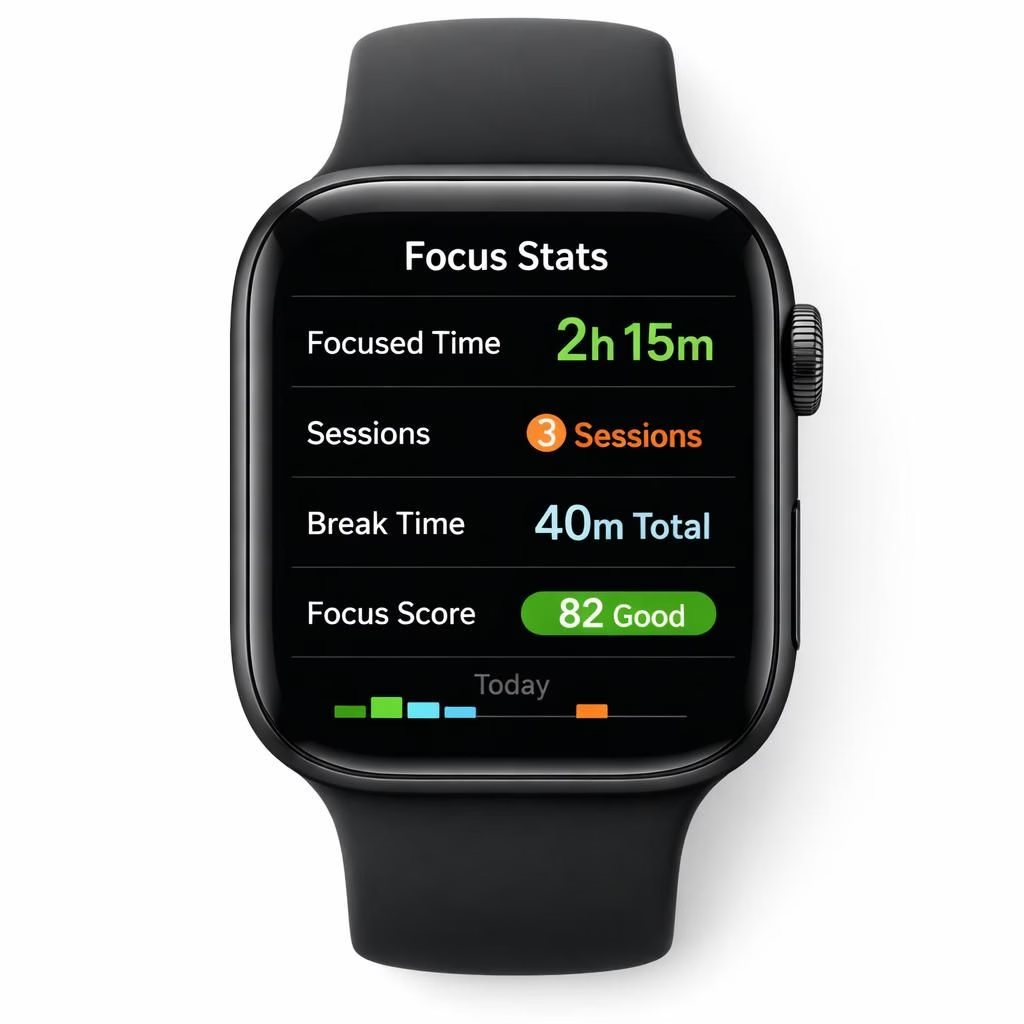
Here comes Fitbit 4.69, still asking about steps, sleep, and snacks with gentle persistence. The Air badge returns with a friendlier, more visual focus on stats. In 2026, clarity wins over busy dashboards, and the redesign keeps the humor intact. This piece traces how focus stats improve logging, testing daily routines and tiny wins.
Fitbit Evolution and Air: Focus Stats Redesign in 2026
The update centers on making numbers meaningful rather than ornamental. The display now emphasizes progress with clearer typography, larger numbers, and color cues that illuminate trends at a glance.
The pairing of the two products creates a cohesive ecosystem that nudges you toward consistent habit checks, not endless scrolling. Accessibility improvements mean your data reads cleanly in sunlight or dim evenings, with less glare and more guidance.
The ethos is simple: you should know where your effort lands without needing a calculator and a map. This delicate balance—clarity without dumbing down—defines the redesign, and it shows in both the device’s hardware profile and its software skin.
In 2026, this approach feels modern yet approachable, like a well-timed reminder from a friend rather than a drill sergeant from a dashboard.
Air and Fitbit: AI Health Coach Emerges
Behind the scenes, the AI coach integration adds practical, contextual nudges rather than robotic prompts. The focus is on supporting healthy choices that fit real life, not just ticking boxes.
The coach suggests micro-changes that align with your routines, which helps turn good intentions into routines you actually sustain. Logging has become smoother, with fewer taps and more immediate feedback.
The result is a more humane experience, where the device acts as a quiet partner rather than a loud dashboard. In practice, you’ll see smarter recommendations during the day and calmer, more useful summaries at night.
This combination of guidance and data makes the wearable feel both capable and friendly, a rare quality in a market that sometimes takes itself too seriously.
What This Means for Daily Use
For most users, the upgrade translates into a clearer snapshot of daily activity, sleep, and recovery. The new focus stats distill a day into actionable signals, so you don’t drown in metrics.
The logging flow is streamlined, reducing friction and helping you keep your routine intact. Alerts and reminders land with precision, so you can adjust without breaking your rhythm.
The experience aims to feel like a helpful assistant that respects your time, rather than a nagging coach that never shuts up. Battery life remains competitive, and the UI nudges you toward consistency without turning every check-in into a mini project.
In short, the update is about making your wearable easier to live with, so you can enjoy your life while your data quietly builds a picture of progress over time.
Tips for Getting the Most from the Update
- Tailor the focus categories to your personal goals and daily routine; relevant data beats generic metrics any day.
- Let the AI coach guide you with small, doable steps that honor energy and time constraints.
- Keep the hardware and software current; small patches often improve reliability and battery performance.
- Link the device to your regular habits, such as morning reflections or evening wind-downs, to convert insights into action.
In practice, the collaboration between the two devices makes everyday life feel a bit easier. The interface favors readability, with crisp fonts and intuitive controls that invite exploration without overwhelm. You’ll find yourself checking in more often, but not because you’re forced to. It happens because the data is approachable and the nudges are useful. The aim is to empower you to act on real signals, not speculative dreams, while staying light on energy use and mental overhead. As a result, your health journey can gain traction in small, sustainable increments, which is precisely what many of us want from a wearable in 2026.
To those who crave a little more context, this redesign is part of a broader trend toward user-friendly health tech that blends analytics with practical coaching. It respects your autonomy while offering guidance that’s easy to digest. If you enjoy a dash of humor with your data, you’ll appreciate the tone of this update—friendly, not preachy, and firmly focused on useful outcomes.
Have thoughts to share? Please leave them in the comments below. And if you’d like to know more, here is the original reporting that inspired this piece: 9to5Google — thank you for the excellent groundwork and timely updates that sparked this discussion.
External sources
- The Verge coverage of wearables and coaching features.
- TechCrunch on AI health coaching in wearables.