

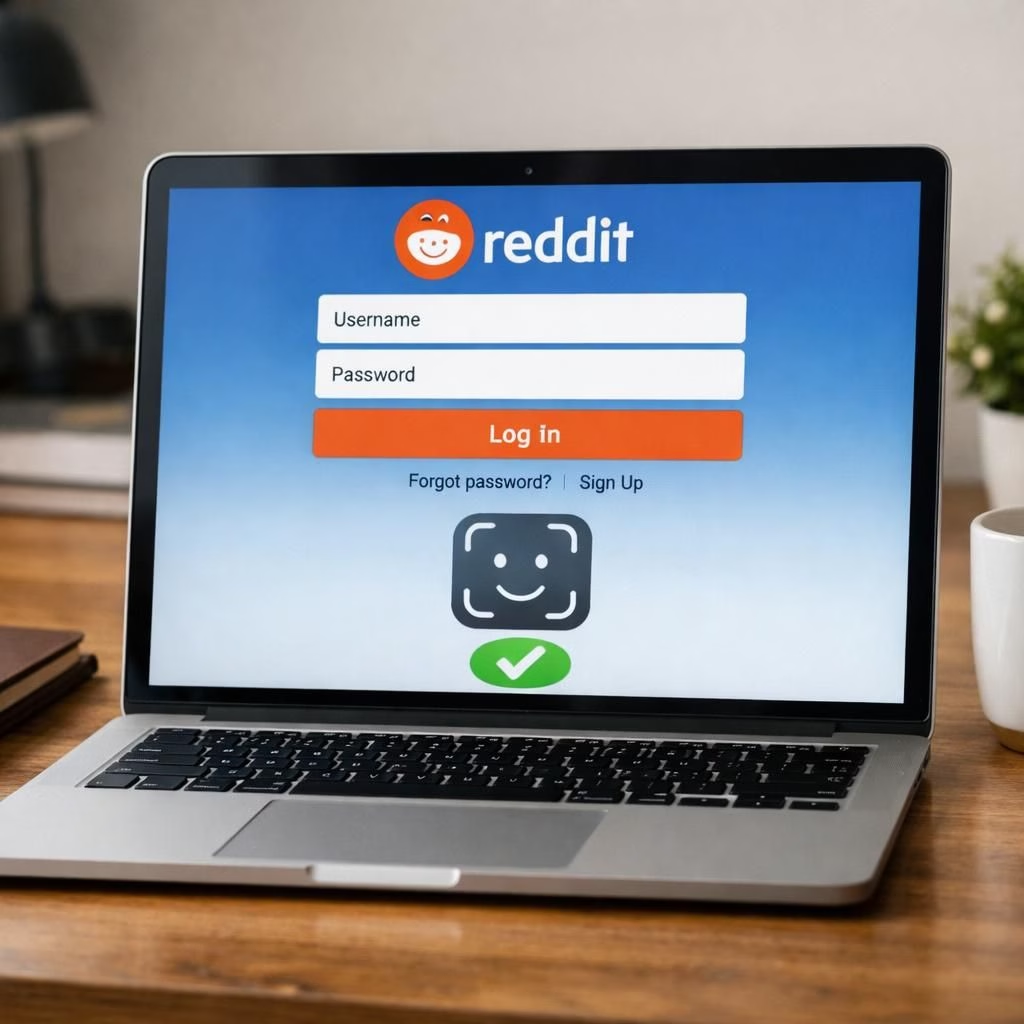
Reddit is exploring new ways to prove humans are humans. In this sunny take on a potentially thorny topic, we examine Face ID and Identity Verification as the two pillars of the new login era. If you thought biometrics were only for phones, you are in for a mild surprise: the same ideas are moving into social platforms with hopes of reducing bot noise without turning the site into a fortress.
Face ID and the Reddit Bot Dilemma
Face ID is not new to our devices, but applying it to a social login is a different kind of short cut. The idea is simple: a quick facial scan on a trusted device confirms you are a real person. The system could require the scan only once in a while or under suspicious activity, balancing security with privacy. The goal is not to lock out consenting users but to slow down bot armies that raze comment sections and flood upvote signals. In a world where bots imitate humans, a fast, respectful check can keep communities healthy without becoming a surveillance state.
Reddit has long wrestled with bot problems, and this approach reframes the problem as a human Identity Verification challenge rather than a password arms race. The caveats are real, of course. Some users worry about privacy, others about accessibility. Yet the team favors a reversible, opt in path and to minimize data collection. If done well, the biometric check could act as a light gatekeeper that saves time for the vast majority who are real humans, while quietly flagging suspicious behavior for review. The practical result could be crisper feeds and calmer discussions, with fewer low effort attempts to game the system.
For the everyday Reddit user, the main promise is speed and reliability. A friendly gate can cut through the noise, without turning sign ins into a scavenger hunt. The goal is to create a safer space where real voices rise above the spam, while keeping the experience approachable for newcomers and long timers alike. The design emphasis is on clarity, consent, and lightweight data handling so that people feel in control rather than spied upon. Look for a future where Identity Verification stays optional and transparent, and where a Face ID check remains unobtrusive.
From a product perspective, this dual approach can be implemented as layered security: a light touch for routine logins, a stronger signal for unusual activity, and an easy path to re-authenticate when needed. This is not about closing off conversation but about reducing automated noise so that real voices stand out. The plan includes careful user education, clear opt in choices, and transparent data practices. If successful, the Reddit community could enjoy faster access to threads and a calmer space for discussion.
Practical takeaways for users: keep devices updated, review permission prompts, and stay curious about how new verification steps might affect daily Reddit use. The experience could feel like a modest upgrade rather than a dramatic shift. Expect a phased rollout with settings to adjust sensitivity and privacy preferences. Expect more transparency, and perhaps a friendly onboarding prompt that explains why biometrics or Identity Verification checks are in place. In short, the two step approach is designed to be purposeful and user friendly, with emphasis on consent and control.
What does this mean for the broader internet? If Reddit can do this well, other platforms may watch closely and borrow the best ideas. The potential upside is a safer, calmer online conversation that still respects privacy and choice. The potential downside is overreach and friction, which is why the ongoing conversation matters. Readers should expect ongoing updates, clear privacy policies, and straightforward opt in paths. The goal remains a thriving community where real humans have a fair chance to be heard and where bots are politely discouraged from joining the party.
Identity Verification in daily use
That biometric check keeps the system lean and friendly while offering a fast path to verification. A secondary Identity Verification step could be requested selectively to confirm ongoing presence during high risk moments.
- Keep devices updated and review permission prompts.
- Manage biometric usage in settings with opt-in controls.
- Read privacy notices to understand data handling and retention.
Original sources and gratitude go to the reporters who launched the discussion: 9to5Mac, PCMag, Engadget, Inshorts, and Infomance. Thank you for the original material that sparked this cheerful exploration.
Share your thoughts in the comments below. I am keen to hear how you feel about Face ID and Identity Verification in your Reddit experience, what safeguards you want, and which privacy knobs you would tweak.
References
- 9to5Mac — Original reporting that sparked this discussion.
- PCMag — Coverage referenced in this piece.
- Engadget — Additional perspectives on identity checks.
- Inshorts — Quick takes from the early discussions.
- Infomance — Background context for the debate.
- External: Apple Privacy — How major platforms think about biometric data and privacy.
- External: NIST Digital Identity Guidelines — Standards for authentication and biometrics.
- External: Apple iOS Privacy — Official documentation on Face ID usage and privacy controls.