

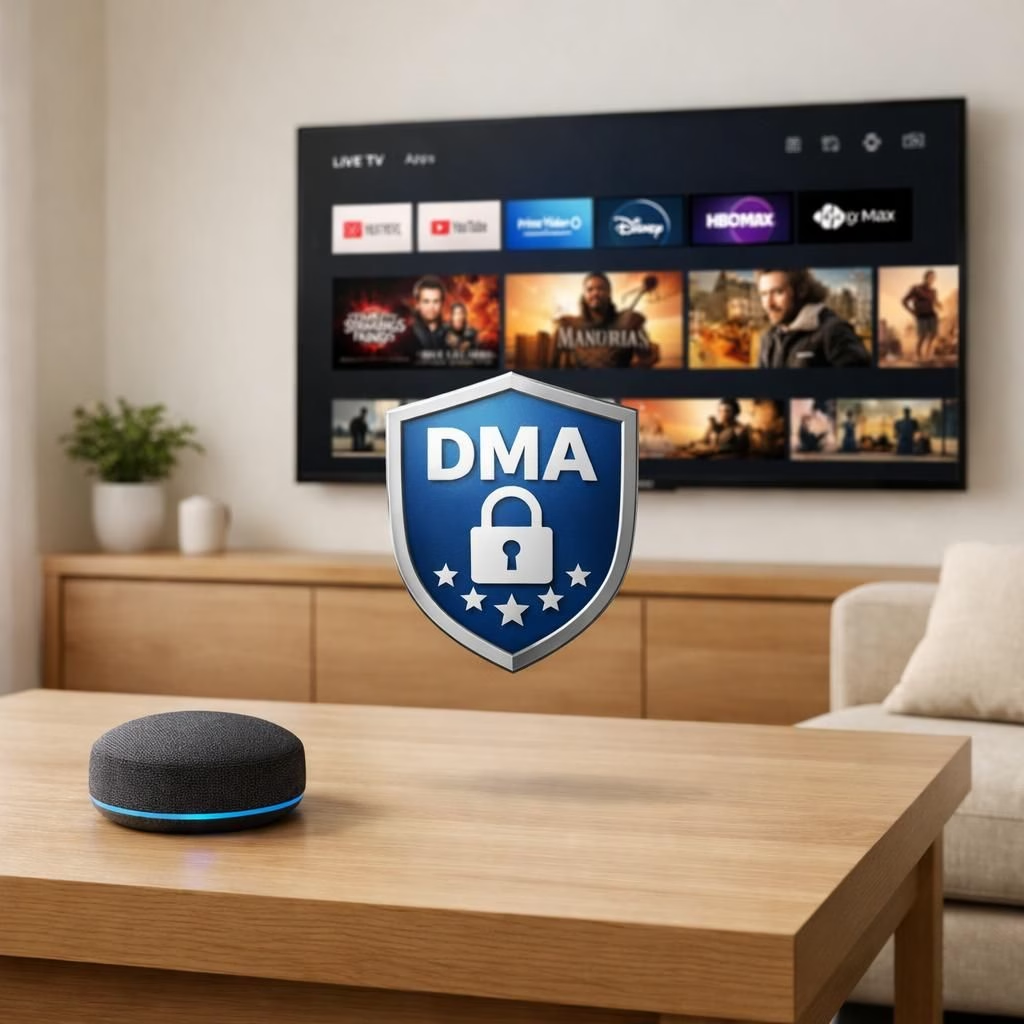
In 2026, Europe is weighing the DMAgatekeeper badge for SmartTV platforms and their vocal buddies in the form of virtual assistants. The debate—part policy, part theatre—frames broadcasters urging tougher rules against a handful of tech giants while viewers wait for clearer paths to content. Market data from a 2025 study shows Android TV rising from 16% to 23% between 2019 and 2024, Amazon Fire OS moving from 5% to 12%, and Samsung’s Tizen hovering around 24%.
DMAgatekeeper reality checks for SmartTV ecosystems
The ACT letter to EU antitrust chief Teresa Ribera argues for gatekeeper designation and robust oversight. It warns that a limited number of operators shape outcomes by controlling access to audiences and content distribution, potentially locking users into SmartTV ecosystems. The aim is to curb gatekeeping and promote fair competition.
The signature list includes Canal+, RTL, Mediaset, ITV, Paramount+, NBCUniversal, Walt Disney, Warner Bros Discovery, Sky and TF1 Groupe, underscoring the scale of the industry push. The DMAgatekeeper label would come with transparent rules and measurable remedies to keep the living room contestable.
Open concerns center on the incentives of large platforms to steer users toward their own services, and on whether open linking or redirection between media apps could be stifled without oversight. In other words, regulators seek a practical, fair framework that supports innovation while protecting consumer choice on SmartTV experiences.
SmartTV ecosystems and DMAgatekeeper rules: what changes for users
From a user perspective, the promise is simpler app linking, fewer detours, and more cross-service compatibility on the same SmartTV or across a shared ecosystem. Regulators want open standards so a SmartTV can surface competing services side by side, rather than forcing consumers through a single, monopolistic menu. If a major TV operating system behaves like a gatekeeper, penalties would ensure it cannot siphon traffic, demand exclusive agreements, or lock users into a single app universe.
The DMAgatekeeper concept aims for practical safeguards: keep the remote control in the hands of the user, not in the in-house control room of a platform. It would be nice if a simple search could surface a broader range of apps without wading through a forest of bundled shortcuts. The policy seeks to balance fairness with ongoing innovation, helping both established broadcasters and new entrants reach audiences without being blocked at the doorway by a walled garden.
SmartTV market share drama fuels the DMAgatekeeper debate
Beyond the legal jargon, the numbers keep the conversation lively. The 2025 market study shows SmartTV platforms on Android TV rising to 23%, Fire OS to 12%, and Samsung’s SmartTV ecosystem lingering around 24%. If you assume a typical living room contains a TV, a remote, a speaker, and a streaming stick, that mix represents a substantial slice of attention that broadcasters and platforms both want to shape.
The broadcasters argue that those platforms already wield outsized influence, so a formal gatekeeper designation could curb abuse and improve consumer choice. The OpenAI beta feature Tasks for ChatGPT entering the segment is a reminder that the ecosystem frontier is expanding, not shrinking, which only reinforces the case for a nuanced DMA framework. The goal is not to kill innovation but to ensure it remains accessible across devices and services, including SmartTV experiences.
Regulators weigh qualitative versus quantitative criteria; the commission has acknowledged receipt of the letter and is reviewing the matter. The sector watches as signatories—ranging from radio associations to European broadcasting unions—underscore the need for contested access over closed loops. This is not a sci‑fi revival; it’s a practical attempt to protect consumer choice in a world where a voice command can summon a movie as quickly as a remote can be pressed.
The 2026 horizon holds the promise of clearer rules and a healthier, more interoperable home entertainment ecosystem for all, if the DMAgatekeeper concept earns its keep. Open questions remain about how quickly any designation would translate into obligations for SmartTV platforms and virtual assistants, and how the DMA interacts with national laws across the EU.
Special thanks to Reuters for the original reporting that informed this piece. You can read the source here: Reuters Technology.
If you have thoughts on how DMAgatekeeper rules might shape your SmartTV setups in 2026, share them in the comments below. Your perspective helps keep this discussion grounded in real-life experiences and questions.
FAQ: DMAgatekeeper and SmartTVs
Q1: What is the DMAgatekeeper concept? The Digital Markets Act defines gatekeepers as large platforms that must comply with obligations to keep markets contestable. In this context, SmartTV ecosystems could be affected if they meet the thresholds.
Q2: How would designation affect SmartTV platforms and virtual assistants? The goal is to prevent gatekeepers from restricting cross-service linking or blocking access to competing apps, with DMA obligations enforced by regulators.
Q3: What would this mean for consumers? Consumers could see easier app linking, less friction when switching services, and more choices across devices, including SmartTV interfaces and voice assistants.
Q4: Will this stifle innovation? The aim is to balance openness with incentives to innovate, ensuring new apps and services can compete without being blocked at the doorway of a platform or device.
Conclusion: a path toward clearer rules and real choice
The DMAgatekeeper discussion signals a shift from abstract policy to practical safeguards in living rooms across Europe. If regulators design fair, predictable rules for SmartTV ecosystems and virtual assistants, consumers should benefit from more transparency and better cross‑service experiences. The next steps involve regulatory alignment, stakeholder dialogue, and concrete obligations that keep competition alive without quashing innovation.
References
- Times of India: Europe is now coming after Apple, Google, Amazon and Samsung over smart TVs
- Reuters Technology