

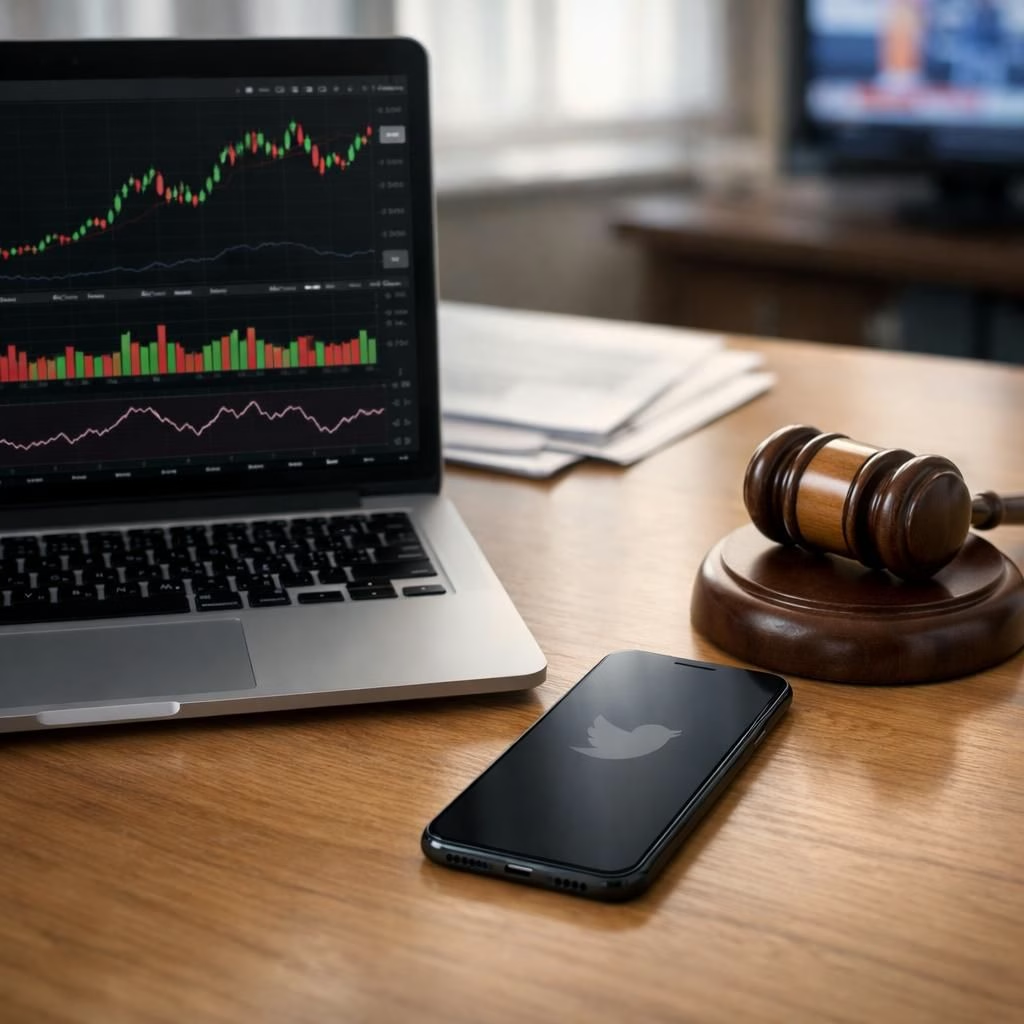
Elon Musk and Twitter are at the center of a courtroom recap that highlights timing, disclosure rules, and investor trust in high-stakes deals. A Manhattan judge is weighing how silence and public statements influence markets.
U.S. District Judge Andrew Carter in Manhattan allowed two former Twitter investors to pursue a class action against Elon Musk. He ruled the case should move forward because misrepresentations or omissions could have affected the stock price and investors relied on silence.
The core question is straightforward with a dash of drama: did Elon Musk lie, or did he simply delay disclosing his holdings in Twitter during the 2022 takeover? The court signaled a path forward by treating omissions as potentially material to the market.
Elon Musk and Twitter: Class Action Snapshot in 2026
Key facts include an SEC deadline to reveal ownership of five percent and an 11-day gap before disclosing a 9.2 percent stake in Twitter. Investors say the delay saved Musk more than $200 million as the stock moved during that quiet window.
Two March 26, 2022 tweets sit at the heart of the narrative. One spoke about giving serious thought to building a Twitter rival, and another teased that such a move would be sick. Plaintiffs say these moments show reliance on quiet signals rather than loud claims.
The case aligns with a separate San Francisco matter where a jury ruled against Musk for trying to depress the takeover price by casting doubt on bots. The parallel tracks create a fuller picture of how public pronouncements, silence, and market psychology interact in high-stakes tech deals.
The Oklahoma Firefighters Pension and Retirement System leads the investor group. They describe real economic impact from the disclosure timing and stake disclosures. The argument emphasizes how market timing can tilt outcomes for everyday holders who bought or held Twitter shares during the 11-day window.
Elon Musk: Investor Silence in Focus
On the defense side, Musk contends that the plaintiffs cannot prove they relied on misrepresentations or omissions. He notes the difficulty of tracing causality from a tweet or a silence to a specific trading decision. This is a classic case of grounding your argument in reasonable investor expectations while steering clear of a black-and-white fraud label.
Twitter Signals and Market Reactions
The legal chess continues, with class certification motions and the possibility of consolidated proceedings on the horizon. The outcome could influence how future disclosure practices are viewed in major tech takeovers and how investors evaluate the risk of silence in volatile markets.
Looking ahead, the case invites readers to consider how public statements by tech leaders shape trust and price. If you have thoughts about the ethics of disclosure timing or the role of social signals in markets, share your perspective in the comments below.
Special thanks to Reuters for the original reporting. You can read the source here: Reuters article.
Practical takeaways for readers
- Review SEC ownership disclosure rules to understand timing thresholds that matter in takeovers.
- For investors, consider how silence and delayed disclosures could affect pricing during volatile periods.
- Analysts and reporters should track both public statements and quiet signals as part of risk assessment in tech deals.
FAQ
- What is the core issue in this lawsuit? The question is whether Musk’s statements or silence influenced investors’ decisions during the 2022 takeover.
- What does class certification mean here? It determines whether a group of investors can pursue claims collectively rather than individually.
- Could this affect disclosure practices in tech takeovers? If the court allows the class action, it may influence disclosure timing expectations for future deals.