

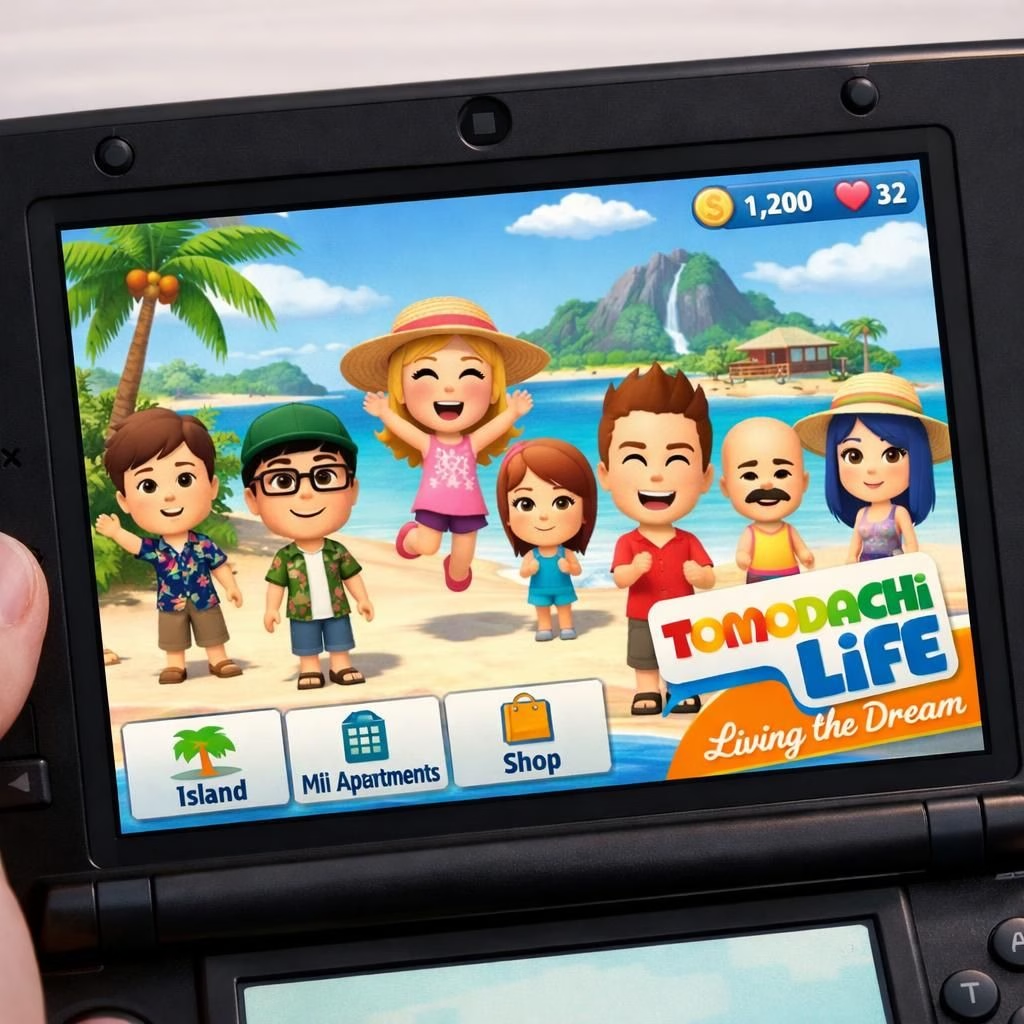
Tomodachi Life and Living the Dream greet players with a wink and a whistle. The duo signals a playful return that respects its quirky roots while packing a few modern refinements for 2026. If you ever wondered what a petty island drama looks like when polished for a new audience, you’ve come to the right place. Tomodachi Life is back, and Living the Dream makes sure the dream comes with a plan and a smile.
The core stat many fans memorize is the 70 Mii limit. Yes, 70 little personalities can fit on a screen without causing a mutiny. That cap keeps things manageable and chaotic in a good way. Tomodachi Life thrives on a static cast that still feels alive. The 70 Mii limit also nudges developers toward clever crowd management, letting you choreograph conversations without turning the island into a traffic jam of dialogue options.
Tomodachi Life in 2026: Living the Dream Returns
In the latest trailer from Nintendo and the fan-verse, Tomodachi Life and Living the Dream tease a refreshed interface and a smoother pace. The short clip suggests creative interactions remain the heart of the game, with a few modern touches that don’t ruin the sandbox charm. It’s a welcome reminder that nostalgia can still have excellent upgrades, not just a fresh coat of pixels. The combination of Tomodachi Life and Living the Dream proves you can respect the past while planning for a calmer, friendlier future.
The 2026 presentation leans into small design wins: faster load times, clearer prompts, and a more forgiving save system. Fans will notice fewer dead ends and more opportunities to string together lighthearted vignettes. Tomodachi Life and Living the Dream keep the lovable chaos, but with a modern spine that respects players who want a low-stress, high-smile island life. The core idea remains simple: give Miis a stage, a few quirks, and a chorus of tiny, memorable exchanges.
Living the Dream Comeback: Tomodachi Life Gets a Modern Shine
On the design side, the UI receives a gentle polish. Icons are clearer, menus friendlier, and the rhythm of daily life feels less like a prank and more like a well-timed schedule. The art direction stays bright but practical, a nod to 2026 sensibilities without losing the quirky island vibe. The synergy between Tomodachi Life and Living the Dream is the real story here: they aren’t two separate cherries on a cake; they’re two parts of a sweet, slightly sugary whole.
Voice lines and reactions remain memorable; you’ll still hear the same curious exclamations as Miis navigate fashion, food fights, and romance. The 70 Mii cap pushes you to craft memorable, repeatable interactions rather than a sprawling carnival. For new players, the learning curve stays shallow; veteran players get a fresh menu of gossip, goals, and rewards. Tomodachi Life and Living the Dream continue to thrive on personality chemistry more than fireworks, which is exactly the honest kind of retro-futurism we crave.
Some fans might wonder if the game still can deliver a genuine sense of community. The answer appears yes, provided you approach with lighthearted expectations and a willingness to manage eccentric personalities. The latest previews emphasize quality-of-life tweaks that reduce fluff while preserving the surprising punchlines that made early demos go viral. Tomodachi Life and Living the Dream demonstrate that a small, well-tuned sandbox can outlast a mega-budget patch if the core concept stays true.
Critics have pointed to a few sandbox constraints that persist, but the mood remains optimistic. The reviews don’t pretend the game is a fully featured social sim on par with modern multiplayer platforms; instead, they celebrate a portable, island-style theater where friends, rivals, and celebrity Miis improvise scenes. The balance between novelty and nostalgia lands in the right wheelhouse when you consider the 8-bit charm paired with 4K-ready polish. Tomodachi Life and Living the Dream become a playful case study in how to honor a legacy while letting it breathe again.
Over the lifetime of such a project, the key is to maintain a light touch. The developers appear to lean into a philosophy of gentle upgrades over dramatic overhauls. The result is a product that feels both familiar and new. Tomodachi Life, in particular, has never needed to shout its return; it has always thrived on the quiet laughter of Miis and the soft clatter of an island that refuses to be boring. Living the Dream simply makes that island a little kinder to guests and a bit bolder in its humor.
As you step into the derpy, delightful world, tell us what you think: what moments stand out in Tomodachi Life and Living the Dream, and where would you push the satire meter next? Share your thoughts below and keep the island alive with your vibe.
Original article and thanks: Special thanks to Nintendo Everything for the original piece about Tomodachi Life: Living the Dream FAQ coverage. Original article: Tomodachi Life: Living the Dream FAQ coverage.
External notes and further reading:
Nintendo official site • Nintendo Life
References
- Original source: Tomodachi Life: Living the Dream FAQ coverage