

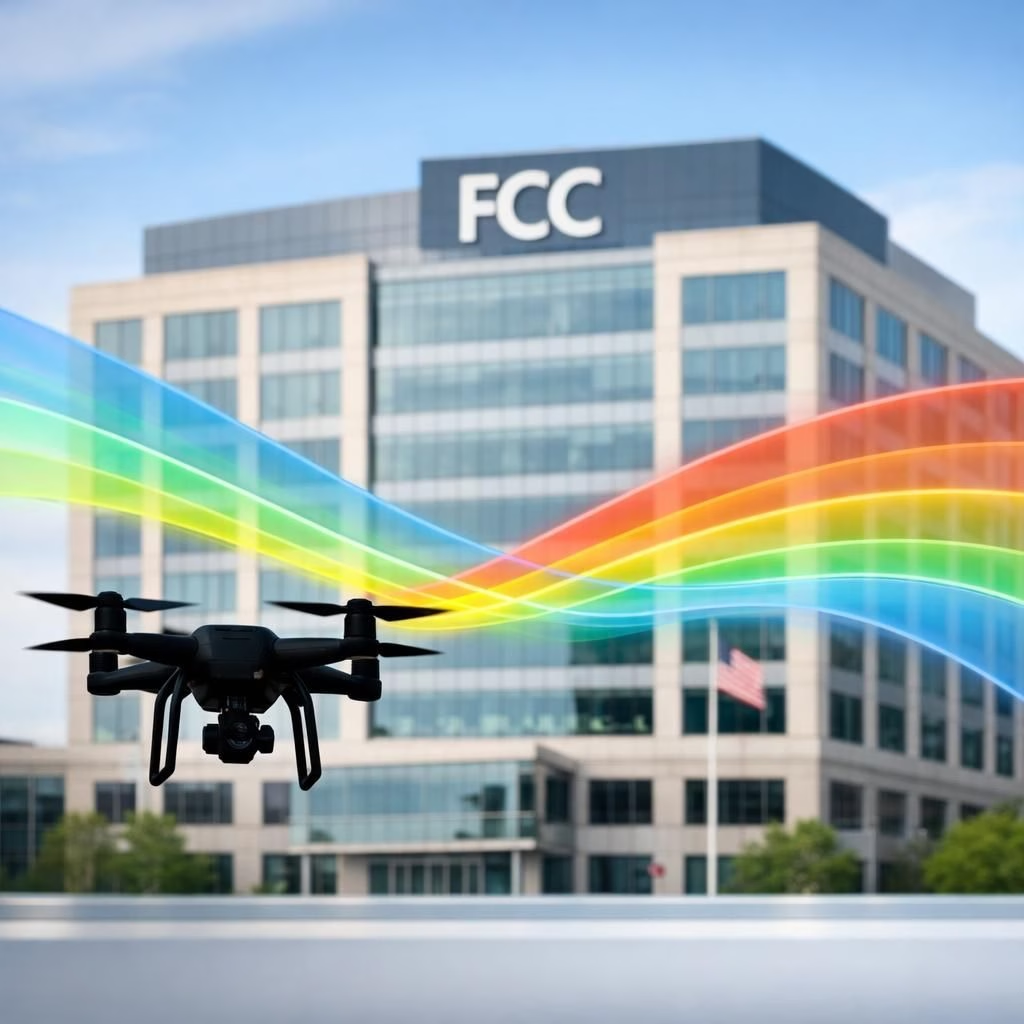
In 2026, the FCC’s push for drone Tag B to accelerate U.S. drone capabilities is turning heads in policy circles. The agency frames drone reforms as a practical toolkit for makers, operators, and agencies, aiming for clearer rules, faster testing, and smarter spectrum use.
drone regulatory-reforms drive 2026 policy wins
Central to the plan are licensing modernizations, new drone innovation zones, and a push to free up spectrum for unmanned aircraft operations. The tone is practical but optimistic: yes, we want faster approvals, but with safety baked in and robust testing. Tag B remains a centerpiece as stakeholders weigh experimentation against public service.
Deadlines are clear: comments due by May 1, with reply comments by May 18. The FCC invites input from manufacturers, operators, researchers, and public agencies about siting, equipment certification, and the best path to spectrum access. The goal is to reduce red tape that slows deployment of new drone capabilities, while preserving safety and reliability.
Investors and manufacturers alike want regulatory certainty to expand production. The agency hints at streamlined processes for advanced drone communications, which helps cross-agency coordination when national security matters intersect with civilian use. This is not just buzz—it’s a practical roadmap to expand testing within safe, controlled environments for unmanned systems and services.
drone and regulatory-reforms: spectrum access and cross-agency work
The broad push includes better spectrum access for drone testing, operations, and public service missions. The agency notes that alignment with other federal departments will streamline spectrum policy and reduce duplication. In practice, that means fewer trips to the waiver desk and more reliable links between control systems and ground stations for unmanned aircraft. Tag B support is growing among industry groups.
As precedent, the FCC points to 227 experimental approvals for unmanned aircraft systems since January 2025, plus eight approvals for counter-UAS technologies. Some licenses support DoD activities tied to the drone order executive direction, and several entries on a now-updated Covered List exempt drones that pose low risk. This is a quiet victory lap that signals collaboration rather than confrontation between regulators and the military-industrial complex.
In February, DoD selected 25 vendors to compete in the Gauntlet phase of its Drone Dominance Program. Launched in December, the program aims to accelerate the delivery of unmanned systems to combat units, with multi-year goals and substantial orders. The emphasis here is on rapid procurement alongside rigorous testing—two sides of the same coin that the public should eagerly watch.
The NOAA has joined the data-driven side of the story, issuing a call for commercially available passive microwave sounder data to improve atmospheric models. The request illustrates how drone-enabled data and weather intelligence feed into more accurate forecasting and safer mission planning for civilian and defense applications alike.
Meanwhile the military is reorganizing its intelligence mission in a multidomain operations (MDO) frame. The 3rd Special Forces Group is transforming its legacy intelligence company into an MDO provider to meet battlefield requirements. The Army says this shift enhances special operations capabilities and aligns with the service’s broader push. Expect thoughtful panels at military summits that discuss how information, cyber, and space domains interact with ground operations.
On the defense-tech frontier, the Department of Defense has collaborated with Boeing and Lockheed Martin to expand the production capacity of seekers—critical components of missiles in the PAC-3 MSE system. The seven-year agreement with Boeing supports a broader deal with Lockheed Martin to scale up production. While the headlines focus on defense, the underlying message is clear: supply chains, partnerships, and procurement reform are essential to national security and domestic industry resilience.
All these threads illustrate how drone Tag B are designed to accelerate innovation while keeping safety and accountability front and center. The same logic applies to cross-agency efforts that tie spectrum policy to national security priorities, with transparent processes for pilots, manufacturers, and researchers. The end goal: a more capable, responsive, and resilient U.S. drone ecosystem that can support emergency response, weather missions, and defense needs without creating undue friction for innovators.
If you enjoyed this look at the 2026 policy landscape, share your thoughts in the comments below. Original article: Thank you to the source material at Original article and thanks.
drone regulatory-reforms: practical steps to participate
- Review the FCC public notice and note which sections relate to siting, certification, and spectrum access.
- Prepare concrete examples from your drone operations that illustrate real-world benefits or risks.
- Frame suggestions to reduce delays while preserving safety, reliability, and national security considerations.
- Submit comments by May 1, with any reply comments due by May 18.
FAQ about drone regulatory-reforms and FCC input
- What is the purpose of the drone regulatory-reforms push?
- To modernize licensing, expand spectrum access, and streamline processes while keeping safety standards intact.
- When is the comment deadline?
- Comments are due by May 1; reply comments are due by May 18.
- What should I include in my comments?
- Suggestions on siting, equipment certification, spectrum access, and cross-agency coordination, supported by real-world examples.
- Will these reforms affect safety and oversight?
- Yes—efforts aim to balance rapid testing with robust safety and accountability measures.
References
- FCC public notices on drone regulatory reforms
- Department of Defense
- NOAA Commercial Data Purchase program
Original source linkback: ExecutiveGov article on FCC drone reforms input request