

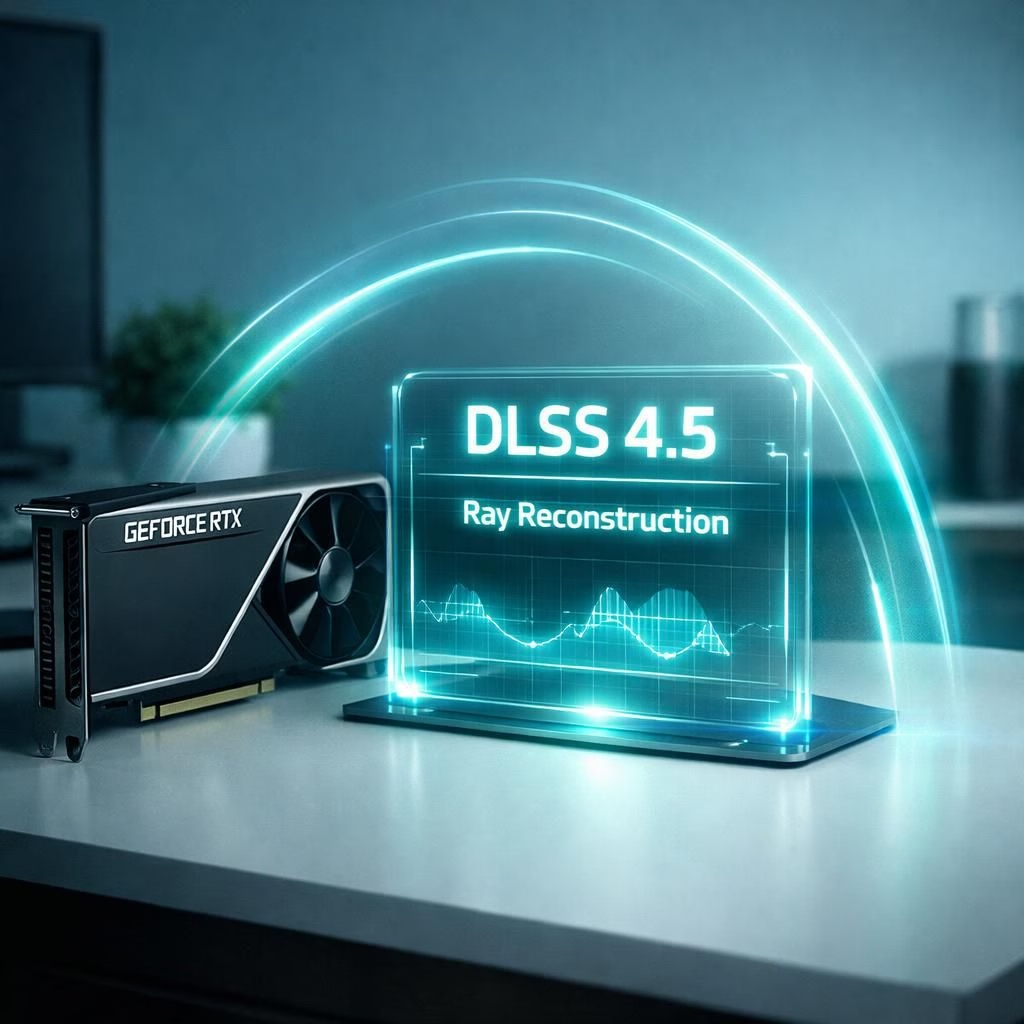
In 2026, DLSS 4.5 Ray Reconstruction is coming to RTX 20, 30, 40, and 50-series GPUs. The aim is clear: deliver sharper images and smoother frames without the usual pixel gymnastics. NVIDIA says the 2nd Gen transformer-based Ray Reconstruction is now built into DLSS 4.5, and there’s even a DLSS 4.5 plugin for Unreal Engine that enables dynamic frame generation right inside your favorite game dev tool.
DLSS 4.5: Ray Reconstruction in Action
Here’s what this combo really does on a technical level, with the tone of a helpful nerd who loves clutch upgrades:
- 2nd Gen transformer-based Ray Reconstruction improves how rays are estimated and blended, reducing blotchy highlights and shadow banding.
- DLSS 4.5 acts as a smart supervisor, deciding when to upsample and when to reconstruct a frame for best quality versus gaming smoothness.
- The Unreal Engine plugin brings dynamic frame generation into a familiar workflow, letting developers sprinkle in AI-powered upscaling without rewriting entire rendering pipelines.
- Ray Reconstruction remains GPU-bound; it benefits from the same RTX tricks you already know, like hardware-accelerated ray tracing and Tensor Cores, but with smarter inference for light paths.
In real terms, that means a game can look more accurate and run faster on the same hardware — a win for gamers and developers alike. DLSS 4.5 and Ray Reconstruction work in tandem to keep frame rates healthy while preserving the look of reflections, translucency, and ambient occlusion. The tech isn’t magic, but it’s close enough to feel like it for most players.
Ray Reconstruction Gets a Transformer Boost
The big claim centers on a 2nd Gen Transformer-based Ray Reconstruction that’s now baked into DLSS 4.5. The transformer model is designed to reason about light paths in a scene, predicting how rays bounce, refract, and scatter. The result is crisper edges on shiny metal, more believable fog, and less aliasing on distant geometry. In short, your scenes look closer to the real thing at playable frame rates.
Additionally, the DLSS 4.5 Unreal Engine plugin adds a layer of dynamic frame generation to the engine. Developers can toggle features for cinematic shots or high-frame gameplay. This makes it easier to deploy Ray Reconstruction-powered visuals in a variety of projects. The plugin is designed to feel familiar to existing Unreal workflows, reducing the friction that often slows down cutting-edge features from shipping in games.
And yes, NVIDIA has bragging rights: there are over 1,000 RTX games and apps available now that can leverage improvements from DLSS 4.5 and Ray Reconstruction. Practically, that means players with a broad range of RTX hardware can experience the upgraded visuals without waiting for a long tail of individual game patches. The ecosystem is growing, which makes it easier for studios to adopt these features across multiple titles.
What This Means for RTX 20–50 Series and Beyond
RTX 20, 30, 40, and 50 series owners are not left out in the cold. DLSS 4.5 Ray Reconstruction is designed to scale across generations, though the exact gains depend on silicon and game workloads. The core idea remains the same: AI-assisted upscaling plus smarter light reconstruction equals crisper scenes and faster frame times. If you’ve spent thousands on a GPU, you deserve to see it stretch its legs with real-time ray tricks.
For developers, the combination of DLSS 4.5 and Ray Reconstruction offers a pragmatic path to higher fidelity without blowing through power budgets. The transformer approach can run efficiently on available Tensor Cores, and the plugin helps bring the technique into production pipelines with minimal headaches. The goal is not to replace traditional rendering but to enhance it where it makes sense — like a smart co-pilot rather than a full autopilot.
Developer Notes: How to Prepare Your Projects
- Update to the DLSS 4.5 framework and install the Unreal Engine plugin where applicable.
- Profile your title to identify scenes where Ray Reconstruction paths are most expensive and where AI reconstruction could give you the biggest return.
- Experiment with quality vs. performance sliders to find the sweet spot for your audience.
- Test across RTX 20–50 series GPUs to understand how hardware differences influence the results.
The upside is a smoother, more cinematic experience for players with many GPU configurations.
As with any major graphics feature, the best outcomes come from planned integration. Don’t wait for the hot new patch to drop before you start evaluating how DLSS 4.5 and Ray Reconstruction can fit into your pipeline. A little early testing can save a lot of headaches when the feature goes wide in August 2026, ensuring your title ships with both speed and polish.
Bottom line: DLSS 4.5 and Ray Reconstruction are about turning more of your GPU into a clever artist, not a loud engineer. The 2nd Gen transformer-based approach gives you stronger ray handling, while the Unreal Engine plugin makes it practical for real games. It’s a win for players who want better visuals without paying in performance. And yes, the universe will tolerate the occasional cheesy demo reel if the frames stay silky smooth.
Original article attribution: Special thanks to the original source material for laying the groundwork and providing insightful details about DLSS 4.5 and Ray Reconstruction. Original article: NVIDIA DLSS 4.5 Ray Reconstruction Coming in August.
If you enjoyed this breakdown, share your thoughts in the comments. I’m curious how you think this will affect your favorite RTX titles and workflows.
References
- NVIDIA DLSS 4.5 Ray Reconstruction Coming in August — Videocardz coverage
- NVIDIA DLSS 4.5 Ray Reconstruction Coming in August