

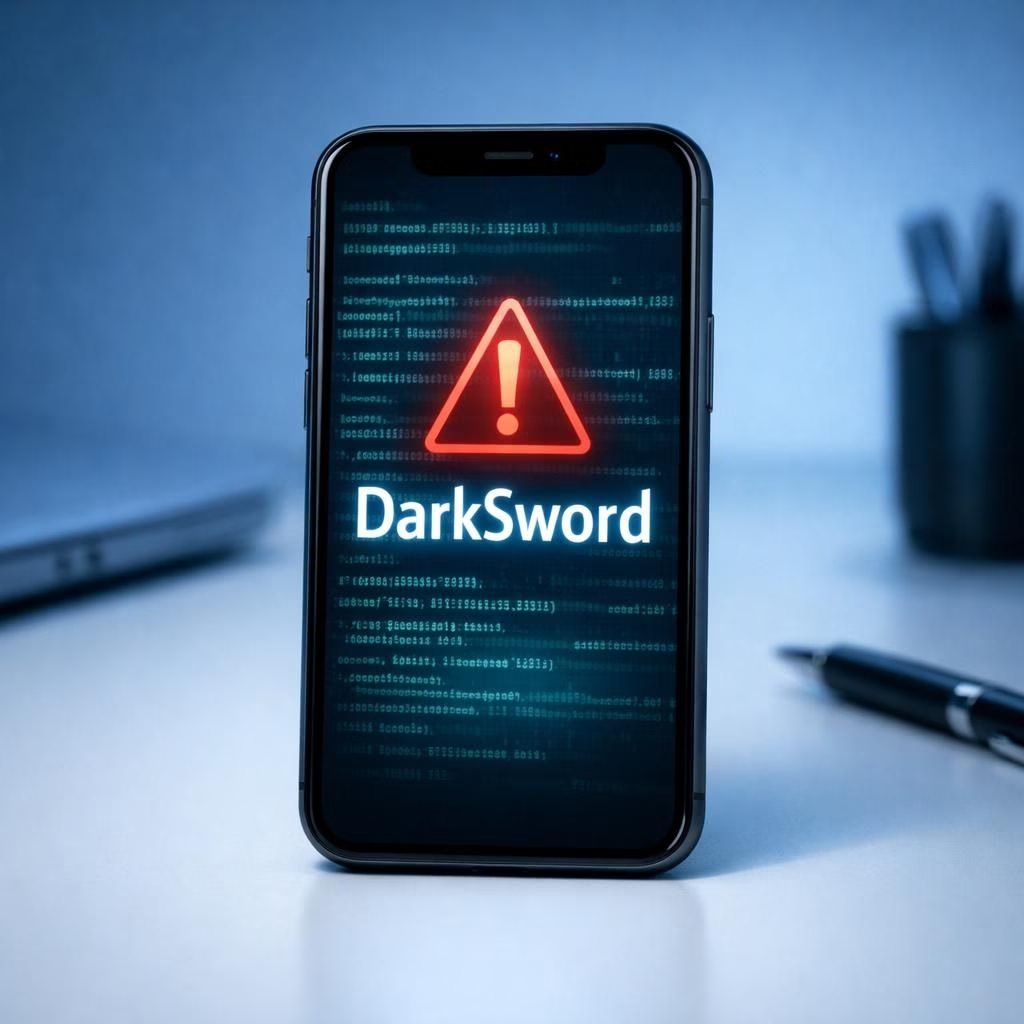
DarkSword isn’t fiction, and Tag B isn’t a slogan. This piece explores a web-based iPhone exploit that quietly steals data from visitors. In 2026, millions of iPhone users still run older iOS versions, including those labeled iOS 18 in some regions. The threat isn’t jargon; it’s a real world risk that can strike with the quiet efficiency of a stealthy courier. The key lesson for you is simple: stay informed, keep your devices updated, and treat every seemingly legitimate website as a potential risk. DarkSword underlines why DarkSword matters to everyone who uses an iPhone.
DarkSword: How the silent iPhone attack works
The mechanism is unsettling in its elegance. The attack lives on the web, embedded in legitimate sites, and activates simply when a vulnerable iPhone visits. No app download, no phishing pop-up—just a quiet handshake between the site and a flaw in the device. The exploit uses a fileless approach, meaning it doesn’t plant a traditional payload on disk. Instead it relies on trusted system processes that iOS uses every day. The result is that the attack leaves far fewer traces for a typical forensic sweep, which is exactly what attackers want.
Security researchers described the method as a smash-and-grab. It doesn’t persist after reboot; it collects what it can in minutes, then vanishes. You might call it a high-speed data sprint, not a marathon. The goal is speed and stealth, not staying around to cause extended disruption. This design complicates detection and attribution, which is partly why the technique has drawn so much attention from the security community.
What data can be stolen from iPhones
But this is where things get personal. Lookout’s analysis shows the potential to access a broad swath of sensitive data. The list includes:
- Passwords stored by the device and in certain apps
- Photos and video gallery contents
- Browser history and autofill data
- Messages from iMessage, WhatsApp, and Telegram
- Calendar events, notes, and reminders
- Health data tracked by Apple Health
- Cryptocurrency wallet credentials and related app data
The variety of data means the attacker can piece together a private timeline of your life, sometimes with financial implications as well as espionage value. The tool’s provenance is murky; researchers suspect multiple actors, including a Russian state-linked group, have used it. The code turned up on compromised sites with documentation, which lowers the barrier for other cybercriminals to reproduce the technique. The tools are accessible, the knowledge share is brisk, and the risk to everyday users grows with each publicly available snippet.
From a defender’s lens, the key takeaway is not doom, but vigilance. A tool that relies on the web and legitimate processes is much harder to spot than a classic malware launcher. It forces security teams to rethink network defenses, browser controls, and how we enforce least privilege on mobile devices.
iOS-Security safeguards for 2026
Apple and researchers agree that the best defense is proactive hygiene. Keeping your device up to date is the first step. The latest iOS version includes fixes for the vulnerabilities used by the DarkSword-style techniques, and more importantly, it closes some of the doorways that allow these silent intruders to slip in. Enable Lockdown Mode if your device supports it. It dramatically raises the bar by limiting what can run on the device and how data can be accessed during a targeted attack.
Beyond updates, there are practical habits worth adopting every day. Avoid visiting untrusted or questionable sites, especially on devices used for sensitive work or personal finances. Consider security tools that monitor for unusual activity on your iPhone and provide quick alerts. Use strong passcodes, enable two-factor authentication where possible, and review app permissions regularly. For those who want extra reassurance, a configuration profile or mobile device management (MDM) setup can help manage exposure in work environments, though it adds management overhead.
In a broader sense, DarkSword represents a shift in how we think about mobile security. Exploits are no longer the stuff of targeted hit jobs against high-profile figures; they are tools that can slip into broad campaigns through the open web. The public availability of the code is a double-edged sword: it spurs defense by forcing vendors to fix issues, but it also lowers the barrier for opportunistic crooks who want to copy-paste a working exploit into their own hose of websites.
Why this matters to everyday users
For the average iPhone user, the lessons are simple, practical, and worth repeating in your inbox every month. If you rely on your phone for photos, banking, or coordinating with family, you should care about Tag B. The faster you apply updates, the shorter the window of vulnerability. The faster you enable advanced protections like Lockdown Mode, the less likely you are to suffer from a data-sleight-of-hand on a regular website. And finally, be mindful of where you browse. The internet remains a public space, even when it feels private on your device.
We should also acknowledge the bigger picture: an exploit economy that trades in zero-day glass and ready-to-use toolkits. DarkSword’s public availability lowers the barrier for copycats, which means a rising tide of threats. The best defense is a layered approach: patch management, user education, restricted data access, and rapid incident response when something suspicious happens. It’s not a perfect shield, but it is a sane, repeatable ritual that reduces risk and buys time for a proper response if something does go wrong.
If you want a quick checklist, here’s a compact version: update to the latest iOS, enable Lockdown Mode if you can, avoid shady sites, install reputable mobile security tools, and review app permissions monthly. It’s not a guarantee, but it is a sane, repeatable ritual that reduces risk and buys time for a proper response if something does go wrong.
Looking ahead, the threat landscape will continue to evolve. Security researchers will keep tracing how these web-based exploits behave on different iOS builds, and Apple will push updates that raise the cost of breaching a device. Our best bet as users is to stay informed, stay cautious, and stay protected with practical security hygiene. DarkSword has entered the conversation as a reminder that security is a journey, not a single checkpoint.
Have thoughts? Please share them in the comments below. And a special note of thanks to the original reporting that informed this piece — Wired coverage on DarkSword for laying the groundwork and the critical context.
Takeaway and next steps
Key steps after reading this: keep your devices updated, enable Lockdown Mode if available, avoid shady sites, and regularly review app permissions. DarkSword demonstrates how quickly data can be exposed via the open web when defenses slip, so consistency and awareness are essential.
References
- Times of India: Google and security companies warn iPhone users about DarkSword
- Wired: DarkSword iPhone exploit
- Apple: Lockdown Mode
- Apple: Security content and updates