

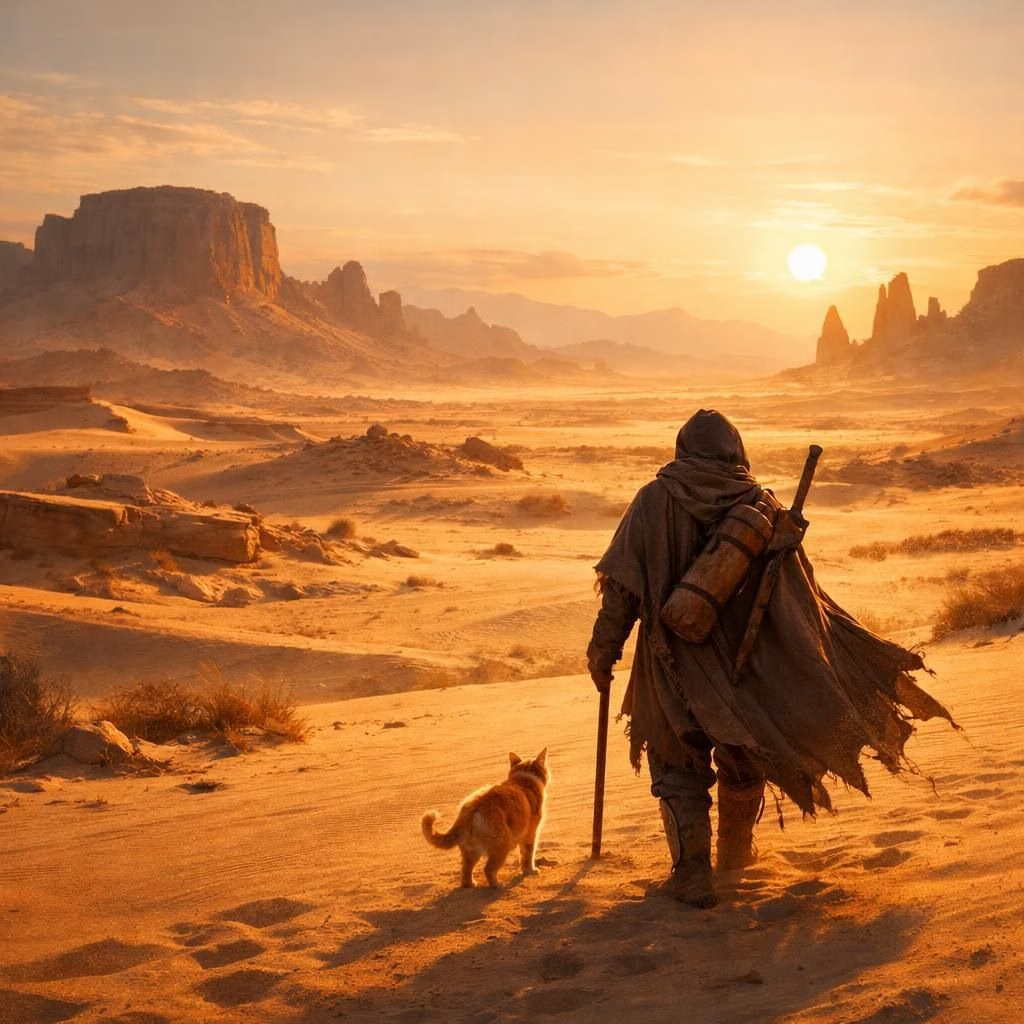
Crimson Desert leaps onto PC and consoles with a big Open World vibe; this game blends bold visuals with quirky UI, and the reception so far reads like a colorful postcard from the hype train. Early impressions, drawn from mixed Steam reviews, note delightful moments—especially the lovable cats—and a few rough edges in the UI and graphics that feel disjointed in places. The core truth remains: there is a huge, open horizon here, inviting players to roam, discover, and argue about what counts as ‘finished.’ For fans of Crimson Desert and Open World epics, the debut is less a verdict and more a dare: will you stay with it long enough to see the scale reveal itself?
Crimson Desert Open World: The Grand Idea Meets Real-World Play
At its core, Crimson Desert is rooted in the Open World tradition—large maps, a cadence of exploration, and a design philosophy that rewards curiosity over checklists. The desert sands stretch far, with distant cliffs and ruins that coax you to slow down and observe. The ambition is unmistakable: a living world that breathes with you, not just a string of empty horizons. Yet ambition without polish can feel rough around the edges, and this is where the first wave of feedback lands. The Crimson Desert experience leans into personality—dramatic lighting, bold character silhouettes, and environmental sequences that can feel cinematic even when the camera stumbles. Critics and enthusiasts alike note the Open World scope, but also point to moments where the terrain and textures hiccup or where the HUD and menus misstep into distraction. Still, the world is generous, and the cat companions add a heartwarming rhythm to the chase, giving the Crimson Desert journey a charm you don’t want to abandon.
When players glide along the dune-brushed plains, the Open World promise lands with tangible weight. You sense the map was designed for long days of wandering, not sprinting from waypoint to waypoint. The wildlife, the wind, and the way light plays on rock formations remind you that the developers cared about atmosphere as much as accomplishment. The Crimson Desert world rewards long looks and patient pacing, turning tiny discoveries into small victories. This is where the game earns its fan cred: a world that feels alive enough to warrant a second, slower look, even if the first impression is punctuated by some rough edges in textures or frame pacing that a day-one patch could soften.
One of the recurring talking points in the Crimson Desert conversation is the UI, which some players found cumbersome or unintuitive at launch. The team has clearly prioritized a dramatic, cinematic feel, which can clash with practical navigation. The upside is that the UI design aims to disappear when you’re truly immersed; the downside is that you may have to persevere through a few menu labyrinths before you feel at home. In the spirit of Open World experimentation, such friction can become a feature, nudging players to learn the interface and thereby deepen their engagement with the terrain and its stories. The cats, meanwhile, are a tiny, welcome chorus of morale—an adorable reminder that even grand adventures benefit from a touch of mischief.
Cat lovers, rejoice: the fauna and animal interactions are a delightful thread in the tapestry. The Open World becomes cozier when you ration your time to observe a cat lounging on a rock, a friendly feline following your path, or a curious critter peeking from behind a dune. These small, endearing moments don’t fix every rough edge, but they do reward patience with a tone that says the developers care about mood, not just momentum. The result is a game that wears its Open World ambitions with a wink: grand in idea, generous in spirit, occasionally rough around the edges, but always ready to surprise with a quiet moment or two that makes you smile as you press further into the map.
So where does all of this leave us as players, critics, and fans? The verdict is nuanced and frankly refreshing in its honesty: a bold, Open World project that attracts with scale and atmosphere, then asks for ongoing refinement to fully realize its potential. The Crimson Desert experience invites players to invest time in a living world—one that rewards curiosity with discovery, with the occasional cat cameo, and with the sense that the journey matters even when a few textures lag behind. For those who love the idea of a sweeping desert epic, this is a candid reminder that big ideas sometimes take time to mature, and that a game’s heart can outshine its rough edges when it dares to dream openly.
Open World ambitions still define the project, even as polish catches up.
As the conversation around the game continues to evolve, fans and newcomers alike can look forward to patches and updates that address UI flow, texture fidelity, and performance tweaks. The core Open World design remains compelling, and the Crimson Desert universe has plenty of room to grow brighter and more polished with each update. If you’re in the mood for a sprawling, personality-forward adventure that wears its ambition proudly—and yes, a few jokey cat moments along the way—this is a journey worth taking, even if you occasionally stumble into a dune of rough patches.
Interested readers are invited to share their thoughts in the comments below. What moments stood out to you in Crimson Desert, and how would you rate the balance between Open World ambition and the UI/graphics polish?
Special thanks to Eurogamer for the original Crimson Desert coverage that inspired this recap. Original article: Eurogamer — Crimson Desert review. Your thoughtful analysis helped shape this piece, and I’m grateful for the opportunity to discuss it with fellow players.
Practical takeaways
- Explore pacing: spend time with the environment rather than chasing markers.
- Balance visuals and performance by dialing down texture quality if stuttering appears on your PC.
- Pay attention to cat interactions for mood shifts that can enhance long sessions.
How to approach Crimson Desert in practice
- Set expectations for a cinematic mood first, then navigate UI quirks as a part of the journey.
- Take breaks to let scenes breathe; the world rewards patient exploration.
- Reserve judgment for texture issues until patches land; the core world remains compelling.
FAQ
- Is Crimson Desert worth it for Open World fans? If you value atmosphere, scale, and a wildlife-laced desert world, yes—especially after patches improve polish.
- How is the UI for new players? It can feel heavy at first, but it tends to become more approachable with time and exploration.
- Should I wait for more updates? Waiting can pay off since patches frequently address texture fidelity and performance without diluting the world’s ambition.