

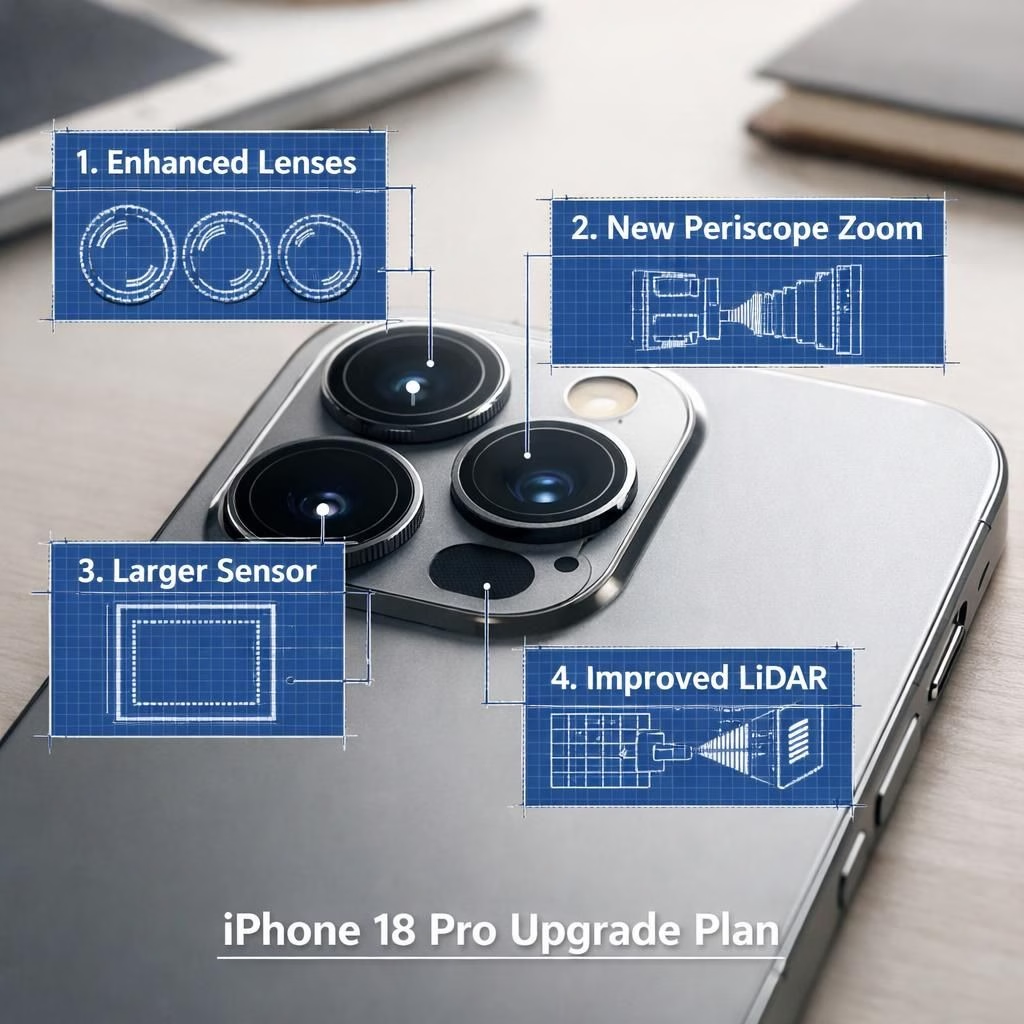
In 2026, the iPhone camera upgrade chatter is loud and inviting. Apple teases a four-part plan, and the iPhone may finally stride toward a DSLR-like aura without abandoning pocket-friendly simplicity. The rumor mill, which this time includes reputable outlets, suggests a staged approach rather than a single blockbuster update. Expect better optics, smarter processing, and some user interface polish that makes pro features feel a little less like a lab experiment.
What the camera upgrade means for iPhone users
For everyday users, the phrase camera upgrade translates into brighter sunsets, cleaner night shots, and less photo anxiety during family gatherings. For the iPhone camera upgrades, changes are not only hardware; they are a re-wiring of expectations. The plan’s first step could be sensor improvements and dynamic range gains for the camera, which would help in tricky lighting. The iPhone philosophy has always been to make the hard parts of photography disappear; this time the camera upgrades might actually allow more creative control while keeping the iPhone usable in a pinch.
We’ll see how much the hardware can push the software. Apple likes to pair hardware with software to deliver real value. The camera upgrades may rely on more capable neural engines, better demosaicing, and smarter HDR processing. The result could be more natural skin tones, less clipping in highlights, and more detail in shadows. The iPhone camera could become less reliant on trick modes and more capable in regular, real-world scenes.
Breaking down the iPhone 18 Pro’s four-part camera upgrade plan
Here is a rough sketch of what the four parts might entail, based on the sources and historical patterns. Part 1 focuses on the camera sensor and image signal processing to improve dynamic range and color accuracy.
- Part 1: Sensor and ISP improvements to capture more light and more detail in challenging scenes.
- Part 2: Lens and optical design upgrades to reduce aberrations and improve edge-to-edge sharpness.
- Part 3: Computational photography enhancements that unlock better HDR, noise handling, and motion stability.
- Part 4: Pro video and user interface enhancements that give more control while remaining accessible to most users.
These elements are not guarantees, but they fit Apple’s pattern of staged improvements. The DSLR-style ambition is real, yet iPhone will likely keep the device friendly. The four-part plan aims to deliver meaningful gains without alienating casual photographers who want quick, reliable results.
Industry watchers have flagged design updates, as outlined by 9to5Mac. Another piece discusses the potential size of the smaller Dynamic Island: iPhone 18 Pro’s Dynamic Island size. For a broader sense of new features and colors, see NotebookCheck.
Is the DSLR-style camera dream worth it for the iPhone?
There is a tension between pushing tech and keeping the phone calm to the user. The DSLR-style camera dream is compelling because it promises more control, but it also risks turning the iPhone into an accessory for gadget lovers rather than everyday life. Some critics argue the biggest upgrade may be software-driven improvements that help the existing hardware shine more consistently. The iPhone, after all, has thrived by balancing ambition with usability. If the camera upgrades can deliver better low-light performance and more consistent color without making the camera controls overwhelming, many users will be happy to embrace the change.
Potential pitfalls for the camera upgrade
Expect some trade-offs. A larger camera module could slightly affect the phone’s size, weight, and cooling. Battery life might see minor changes under heavy camera usage. Apple’s software may do more heavy lifting to avoid heat or battery drain. The camera upgrades should feel like a natural evolution rather than a forced gimmick. For iPhone fans, patience will likely pay off, especially when casual shoots look more vibrant and professional at the tap of a button.
What this means for creators and hobbyists using the iPhone
Creators will appreciate the prospect of better stabilization, higher frame rates in video, and smarter auto-settings that still respect the camera’s feel. The iPhone camera may become more capable in a wider range of scenes, from dim indoor shoots to fast-moving action. If iPhone nails the balance between automation and control, many photographers will start with the iPhone and still switch to dedicated gear when the moment demands it. The camera upgrades could also spur third-party accessory innovation, making the iPhone a more versatile tool without turning the device into a bulky rig.
In the end, the four-part plan could be a thoughtful, measured upgrade path that respects both the hardware and the software, the photographer and the casual user, the iPhone lover and the critic. The iPhone camera might not become a full-on DSLR substitute overnight, but it could close the gap a little while keeping the experience friendly and fast.
If you’re reading this in 2026, you can applaud the incremental progress and keep the jokes coming about megapixels. The key metric is real-world usefulness, not headline drama. The iPhone camera upgrades should translate into better photos in day-to-day life, not just on showcase pages.
Original reporting and context come from industry outlets cited in this piece. Original reporting: MacRumors: iPhone 18 Pro camera upgrade coverage. A special thank you to the publishers for their initial reporting and thoughtful discussion around the upgrade plan.
Share your thoughts below: what do you think about the iPhone camera upgrades in 2026? Do you expect real, practical improvements, or is this era just hype? Let us know in the comments.
Original article attribution: MacRumors — thank you for the inspiration and context.
For official context on the plan, see the Apple Newsroom and related industry coverage.