

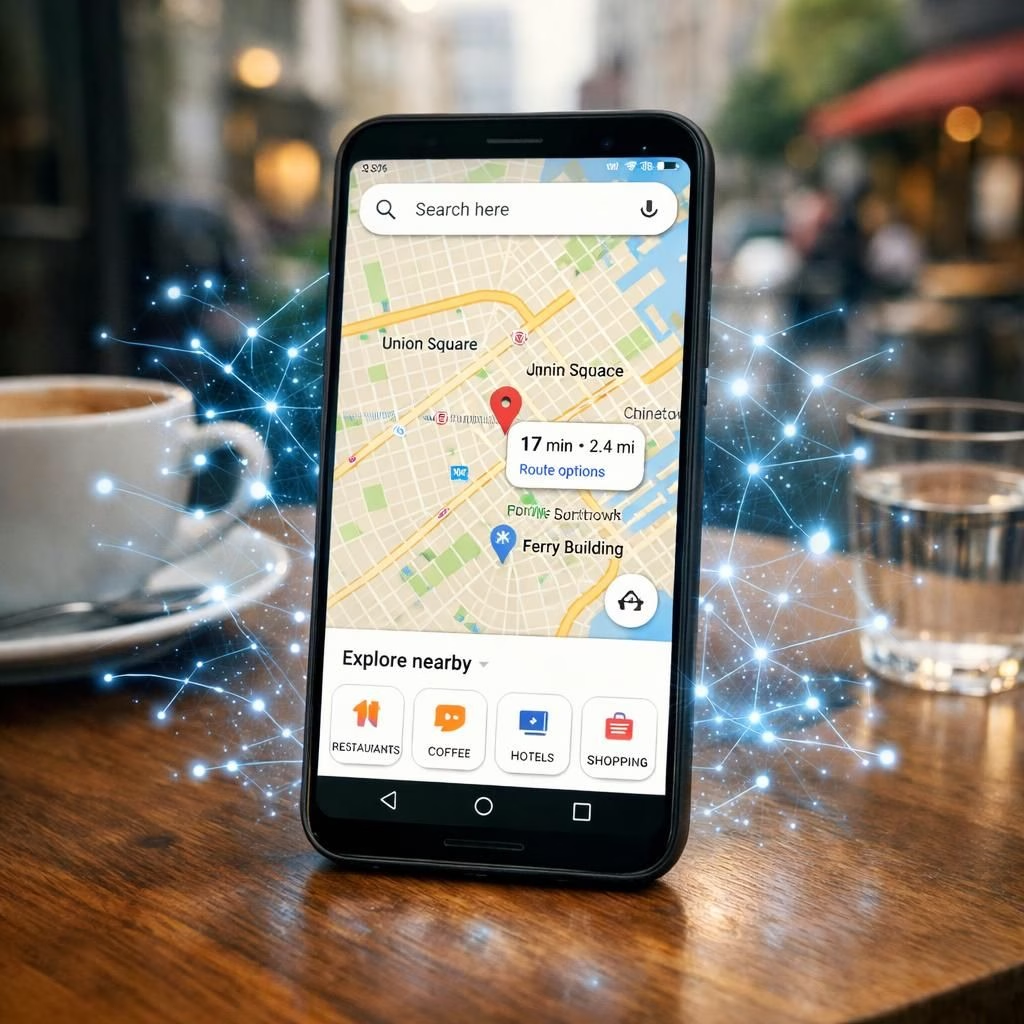
In 2026, AI upgrades finally arrive in Google Maps, turning the app into a smarter, kinder navigator. The Gemini-powered experience promises faster searches, dynamic route tweaks, and a dash of serendipity as the system surfaces local gems you might have missed. It feels like a practical sidekick you can trust with errands, with a rollout that adds value gradually rather than turning maps into a maze.
Behind the scenes, AI and Google Maps work together to refine results, predict your needs, and light up appealing options. Gemini analyzes time of day, traffic patterns, and your past visits to tailor suggestions. It surfaces restaurants, coffee spots, gas stations, and scenic detours that fit your schedule. The vibe is pragmatic, not overbearing, and the tone stays helpful rather than gimmicky.
AI and Google Maps: a smarter map for everyday life
With this AI-boosted mix, search results feel more relevant. Gemini sifts through nearby options and prioritizes places you are likely to enjoy. It uses your history to surface local gems you might otherwise overlook. The feature feels reliable, not magical, and that reliability is its core strength. For example, Google Maps can highlight practical detours and parking options when you’re juggling errands.
AI-powered Gemini in Google Maps reshapes search and planning
When you look for a venue, results adapt in real time. The app compiles a few route variations and ranks them by travel time, parking, and recent reviews. You can tweak parameters with a tap, and the map responds with a smoother, more intuitive path. The tool shines when coordinating multiple stops or comparing neighborhoods for a date night. Google Maps uses AI to prioritize options you’re likely to enjoy, without overwhelming your screen with choices.
Google Maps with AI: practical tips for users
Turn on AI-friendly features in Settings. Use prompts like show me coffee near me at 9 a.m. and the system fetches refreshed options. Try entering your date-night criteria, and Gemini will propose neighborhoods with a vibe, a parking plan, and a good table option. Save favorite routes and auto-suggested stops for future outings. The design stays clean, with map pins offering just the right amount of context so you stay in control. This approach keeps AI helpful rather than overwhelming.
Why this matters in 2026
For daily life, AI in Maps means faster errands and less brainwork. It turns crowded commutes into predictable rhythms and makes last-minute changes painless. It also invites a curious approach to familiar places. You might spot a new bakery, a quiet park, or a shortcut you would have missed otherwise. You can adjust how aggressive Gemini should be with suggestions, and you can turn off features you dislike. All in all, it feels responsible and empowering.
Privacy, control, and delightful UX
Right-sized privacy controls sit where you expect them. You decide what data you share and when. The UX prioritizes clarity over cleverness, so you won’t drown in menus. For power users, there are advanced options, but the default mode remains friendly. The result is a map that respects your pace while offering smarter, more contextual choices. It’s not magic; it is good engineering that respects user choice.
Original article attribution: Thanks to TechCrunch for the original reporting that sparked this rewrite.
Want to weigh in? Share your thoughts in the comments.