

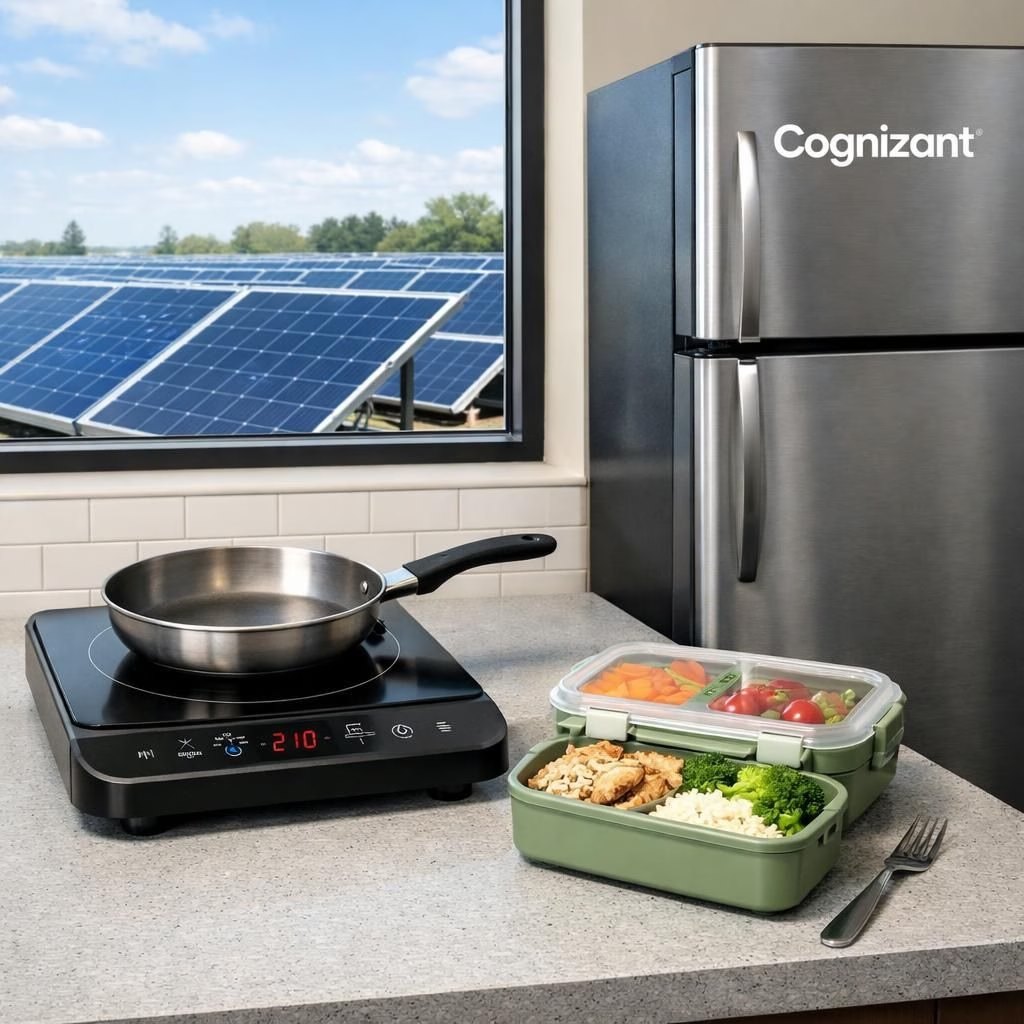
In 2026, BYOF is turning lunch into a strategic asset while the West Asia crisis nudges operators toward resilience, and Cognizant listens with a confident, practical plan.
BYOF and West Asia crisis: A pragmatic resilience playbook
When staff bring their own meals, cafeterias face lower energy bills and happier teams. Cognizant is encouraging BYOF wherever feasible, pairing this with a cautious energy outlook as the West Asia crisis influences energy markets. The internal notes identify alternate food vendors that do not rely on LPG, including induction or solar cooking. They also explore cloud kitchens powered by electric or solar energy to cover meals if supplies falter.
The tone remains practical: no immediate disruption, but a potential for prolonged stress. The plan centers on flexible sourcing, vendor resilience, and a calm approach to kitchen logistics. This is not a panic response—it is a structured playbook for turning disruption into doable steps with steady optimism.
The road to resilience is grounded in action rather than alarm, with BYOF and energy-aware procurement acting as two dependable levers to keep teams fed and focused.
The West Asia crisis underscores the need for contingency planning across facilities and vendors.
BYOF and West Asia crisis: Logistics, energy, and culture in 2026
The assessment notes that cafeteria and food services are most vulnerable due to reliance on LPG. Yet many locations already support electric or induction kitchens, reducing LPG dependence. The West Asia crisis adds pressure on transport and energy, and Cognizant is watching for mid-day fuel-cost spikes that could strain cab and shuttle vendors.
The message remains: no immediate service suspension is expected, but vendor resilience varies by city and contract model. To stay nimble, the company is evaluating electric vehicles for commutes, rationalising routes, and avoiding low-occupancy shuttles to cut fuel use. They promote WFH or hybrid arrangements for non-critical roles to reduce commute exposure.
On the tech front, IT and delivery operations are described as low risk today, but energy volatility keeps watch. The plan calls for robust VPN access, redundant internet connections, and scalable remote-work capabilities so a disrupted morning doesn’t derail work. In practice, this means resilience: fewer single points of failure, more backup plans, and a culture that treats outages as a chance to test the work-from-anywhere approach.
The document also notes safeguards such as keeping diesel reserves for generators and watching LPG refill patterns, diesel price changes, and logistics advisories as early warnings. It’s a steady, preparedness-focused approach that aims to keep services stable even as energy markets wobble.
To illustrate the broader vision, Cognizant highlights practical steps for day-to-day life in a large tech organization. Induction cooking and solar options aren’t just eco-friendly; they’re reliability upgrades. Cloud kitchens powered by electricity or solar energy offer a scalable path to meals when LPG is constrained. Route rationalisation and EVs can trim emissions and fuel costs while keeping teams connected. A thoughtful WFH policy for non-critical roles helps ensure core IT and support stays online even if a city faces fuel spikes.
In short, the plan preserves delivery stability with a forward-looking blend of BYOF, energy-aware procurement, and flexible work arrangements. It’s not about chasing perfection; it’s about staying resilient with a practical mindset, even when energy tensions rise.
Here are a few practical takeaways that readers can apply in their own organizations:
- Encourage BYOF wherever feasible to reduce energy risk and cafeteria strain without hurting morale.
- Pre-identify alternate food vendors that rely on induction or solar cooking to diversify supply.
- Explore partnerships with cloud kitchens powered by electric or solar energy to scale quickly.
- Invest in hybrid or work-from-home options for non-critical roles to cut commute exposure and improve connectivity redundancy.
- Track LPG supply chains, diesel price movements, and logistics advisories as early warnings.
When TOI reached out, Cognizant’s spokesperson reiterated calm, continuity, and ongoing scenario planning. The takeaway is simple: be prepared, be adaptable, and keep a positive mindset while navigating energy-market ups and downs.
Energy-market watchers point to regional tensions in credible coverage from BBC News and energy updates from Reuters.
We invite readers to weigh in with their own thoughts as this strategy unfolds in 2026. Your perspectives on corporate resilience, food logistics, and flexible work arrangements are welcome.
Related reads
- Former White House Asia advisor is not happy with Nvidia chip sales to China
- Dance of the White Light Robots: A Closer Look at the Newest Inspection Technology in MRO