

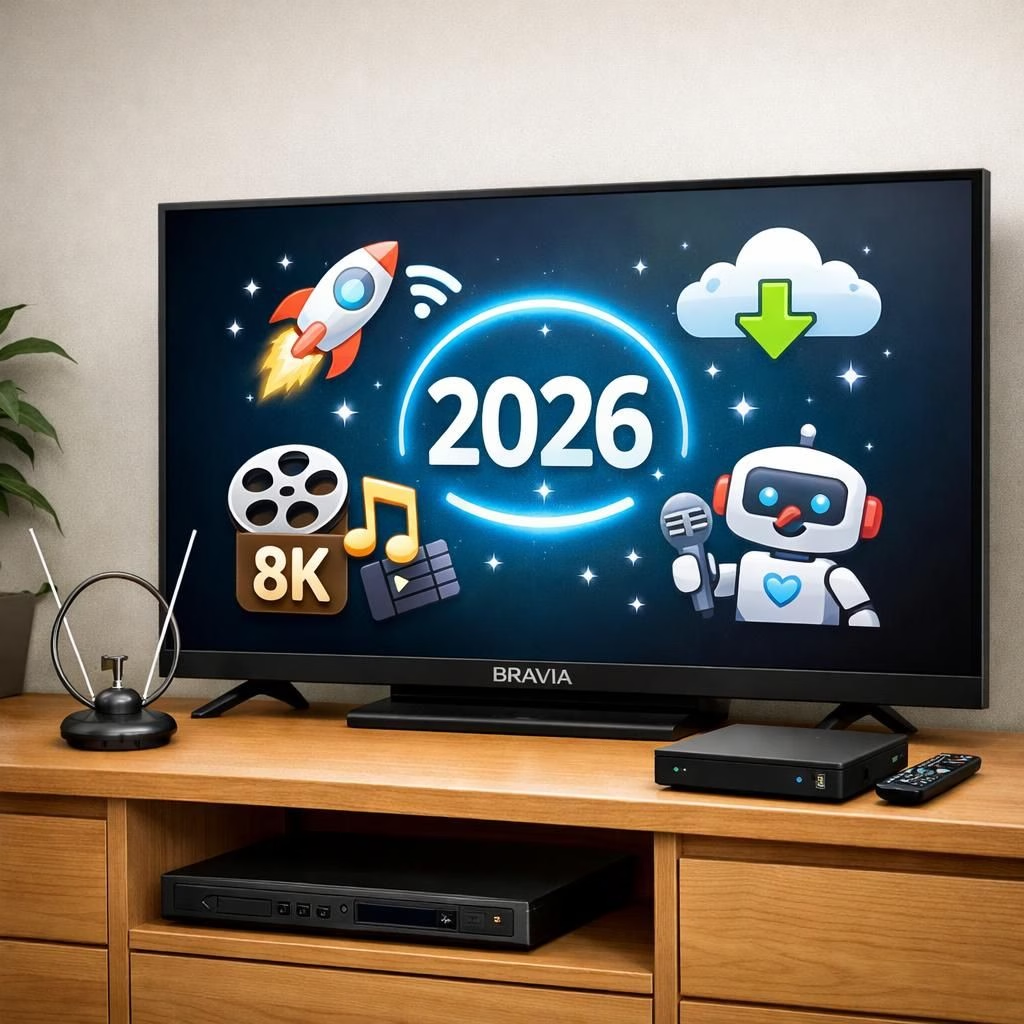
In May 2026, Bravia and Sony are in a lighthearted tech soap opera about antenna compatibility.
The point isn’t doom; it’s a reminder that brands change. Labels endure, and user minds adapt with curiosity and humor.
What some call a reboot, others call trimming features for antenna users and set-top boxes. The net effect is clearer screens and fewer knobs, but more questions for those using older hardware. Let’s unpack what this means for daily viewing, streaming schedules, and the couch-side decision trees.
Bravia Antenna Dilemma in 2026
For Bravia users, the changes focus on simplifying control surfaces while ensuring core streaming remains accessible. The antenna landscape is messy, and the move aims to reduce pain points by removing redundant paths.
In practice, this can mean fewer options for over-the-air signals, but a cleaner menu that loads faster. If you were hoping for automatic re-tuning, you might still get helpful prompts pointing you toward external tuners. The trend whispers a simpler future where a smart TV refuses to be a museum of obsolete features.
Users who enjoy experimenting with firmware have some reasons to sigh, yet the overall aim is reliability. Simplicity often beats complexity, and Bravia is trying to deliver that without breaking the core viewing experience.
Sony Set-Top Box Strategy and Compatibility Choices
On the Sony side, the strategy centers on aligning Bravia with streaming ecosystems while trimming niche bets. Sony argues that trims reduce maintenance costs and improve security, reducing unused ports and user confusion.
Critics worry about loss of flexibility, especially for those who rely on older set-top boxes. Yet the industry trend favors leaner firmware that boots quickly and stays out of the way during binge sessions.
Some users may need to adapt by using external devices or offloading to streaming apps. The bottom line is a refined balance between reliability and freedom, with a smile.
Practical Tips for Bravia and Sony Users in 2026
- Keep firmware up to date on your Bravia device to minimize friction with new menus and security updates.
- Consider an external antenna or tuner for live channels if you depend on traditional over-the-air signals as a fallback for Bravia.
- Leverage streaming apps on Sony devices to fill gaps left by trimmed features, preserving your viewing variety.
- Label expectations: treat the TV as a smart hub and keep older hardware in a separate corner of your living room.
- Regularly back up your preferences so you can recreate a comfortable setup after any software refresh on Bravia or Sony hardware.
These tips apply to both Bravia and Sony users and aim to keep your evenings smooth rather than stalling at a software prompt.
My take: the lean approach is not a betrayal but a UX refinement that values speed, stability, and security. Bravia and Sony share a philosophy of delivering better, not louder, cinema in your living room in 2026.
For those who miss the old days, there is still room to juggle devices. A small external box can handle live TV, while the Bravia screen handles apps and streaming without fighting the remote control. The balance is not perfect, but it is practical and forward-looking, a habit of modern living rooms in 2026.
Original reporting that sparked this conversation came from Ars Technica. Original article here: Sony killing features for antenna, set-top box users of Bravia smart TVs in May.
Thank you to Ars Technica for the original reporting that inspired this write-up. If you enjoyed this synthesis, please share your thoughts in the comments below.
For more context, you can explore Sony’s official Bravia overview: Sony Bravia smart TVs.
Or take a quick look at OTA basics from the U.S. regulator: Over-the-Air TV reception basics.