

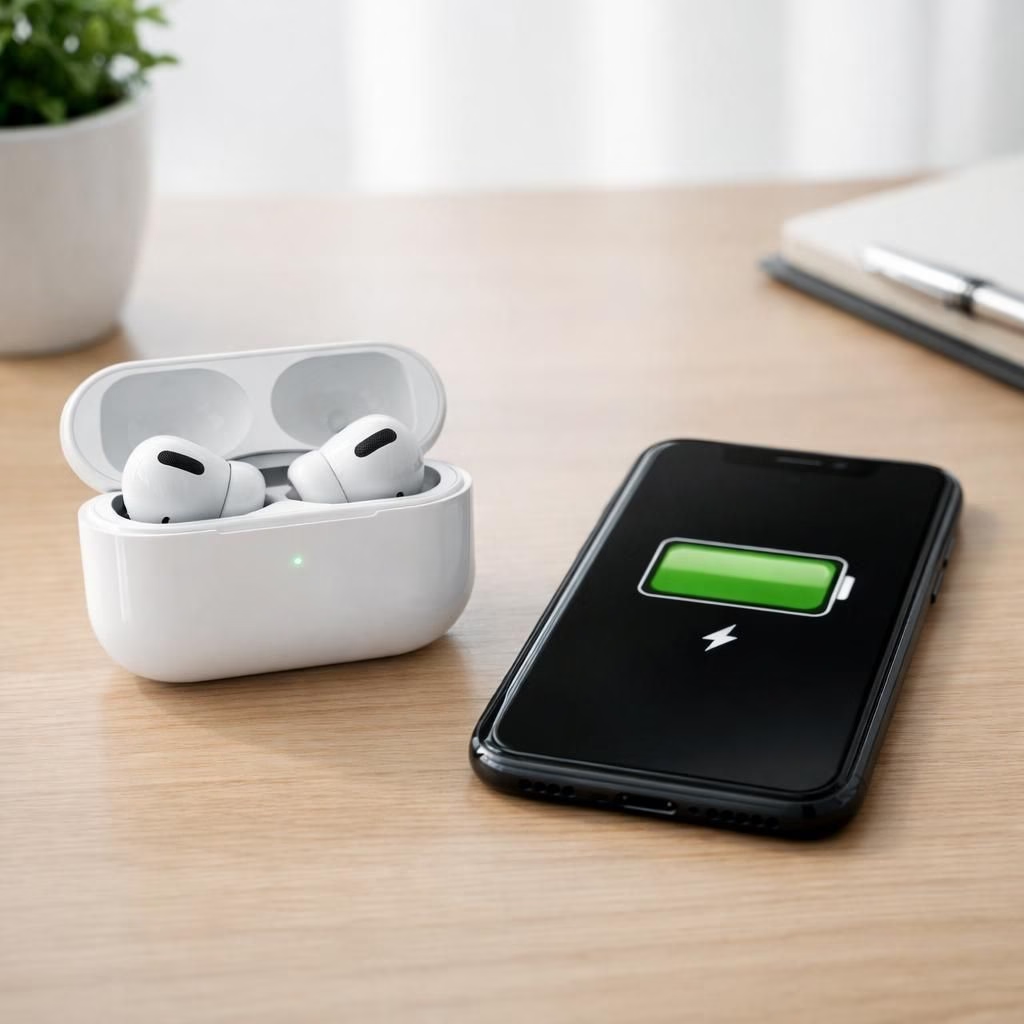
In 2026, the AirPods Pro journey continues with sharper sound, steadier connections, and thoughtful tweaks that matter in everyday listening. If you’re the kind who notices tiny shifts in volume and latency, you’ll appreciate the polish without the hype. For readers tracking updates, this is a good example of how Tag B matters in practice.
AirPods Pro firmware 2026: A practical update
The changes land with quiet confidence—no fireworks, just a more consistent experience for music, calls, and quick toggles. The story isn’t about a single headline feature; it’s about fewer moments of “huh?” during daily routines. The Pro line feels more reliable across common tasks, delivering small wins that add up to a smoother day.
On the sound front, most listeners will notice a smoother balance, cleaner highs, and a more natural midrange across genres—from podcasts to pop. It isn’t a dramatic overhaul, but it’s the kind of refinement that makes playlists feel more alive without turning listening into a full-blown audition. The changes are subtle and practical, exactly the vibe people want after years of overhyped promises.
AirPods Pro firmware improvements: sound, stability, and battery life
For folks juggling a Mac, iPhone, and iPad, the update’s device-switching flow feels calmer. The handshake between devices is smoother, with fewer prompts and fewer “which one is this again?” moments. The pairing dance takes fewer taps, which means more time enjoying the moment and less time fiddling with settings.
Battery efficiency has received steady love. The case consumes a touch less energy in standby and charges a bit faster, which matters when you’re rushing through airports or late for that meeting. The improvements aren’t world-shaking, but they add up over days of use, especially if you’re a multi‑device multitasker with a busy schedule.
There can be tiny latency shifts in video calls or light gaming, which translates into crisper lip-sync and fewer “that wasn’t me” moments when you answer with a tap. This is the sort of upgrade that makes daily tech feel a touch more mature—reliable, predictable, and quietly capable.
In practice, the update lands quietly—no dramatic fireworks, just a touch more polish. You’ll wake up devices and see a familiar prompt asking to update. If you’re someone who loves a frictionless experience, you’ll likely approve without needing a whiteboard of notes.
Beyond the headline changes, a few behind‑the‑scenes adjustments help with overall quality. The system handles microphone routing more intelligently during dynamic conversations, which means your voice should sound clearer to the person on the other end even in noisy environments. For many, that’s the difference between a good call and a confident conversation.
For those tracking compatibility, keep an eye on how the update interacts with accessories and other devices. The long‑term trend is toward more cohesive ecosystem behavior, not a patchwork of quirks evolving into a shared memory. If you rely on accessories for daily use, this is a welcome reminder that Apple cares about the wider listening experience, not just the flagship product in isolation.
Why this matters in daily life
The practical value isn’t in a flashy feature but in the trust that headphones won’t act up at a crucial moment. A commute soundtrack, a quick podcast, or a hands‑free call can hinge on tiny polish pieces—fewer hitches, a more stable connection, and less fiddling with settings during a moment when you can’t pause life. That’s the real benefit of a conscientious update: it disappears when you don’t need it, and it shines when you do. For readers keeping an eye on Tag B trends, this is a good example of how ongoing firmware care translates into daily confidence.
For creators and casual listeners alike, the changes translate to less cognitive load. You press play, your device finds the right buds, your mic behaves, and you move on. It’s not sexy in the sense of a new gadget category, but it’s what makes technology feel like a reliable helper rather than a temperamental roommate.
In short, the 2026 wave of improvements for the Pro line brings practical gains in sound quality, connectivity, and efficiency. It’s not a revolution; it’s a refinement that makes everyday listening more enjoyable, more dependable, and just a little bit more human in the way it adapts to your life.
If you want a quick checklist: allow the update, ensure devices are within proximity for a smooth handoff, test a few calls and streaming sessions, and notice whether you experience fewer dropouts and more consistent volume control. The aim is straightforward: a calmer, more confident listening experience with less noise in the process of enjoying your favorite tracks.
Two quick notes for power users: keep an eye on official release notes from Apple’s support pages and check compatibility with your other devices. If you rely on specific audio accessories for professional work, test the update on a small project before rolling it out across your entire workflow. The idea is not to panic but to enjoy incremental improvements that fit into real life, not a lab environment.
For power users, staying on top of updates is smart. Check official release notes and verify compatibility with your most-used accessories for a smoother Tag B experience.
Original sources and a big thank you to the reporters who kicked off this conversation: 9to5Mac, MacRumors, AppleInsider, Geeky Gadgets, and BGR. Their coverage provided the spark for this optimistic, reader-friendly overview. You can read the original articles and related notes at the links below.
Source notes: Thanks for the original reporting from: 9to5Mac, MacRumors, AppleInsider, Geeky Gadgets, and BGR. Special thanks for the original material that sparked this piece.
Thank you for reading. If you have thoughts, share them below—we’d love to hear your experiences with the latest updates.