

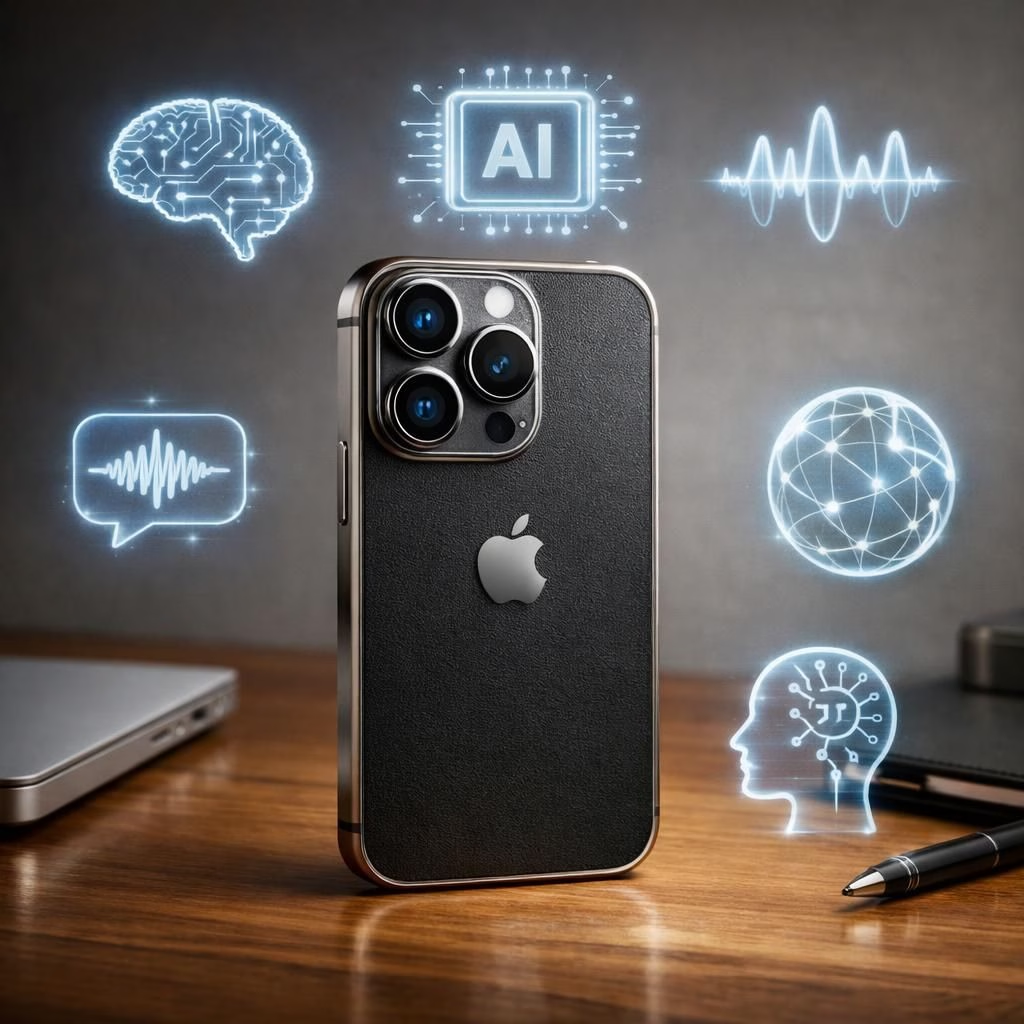
Welcome to a brighter sunrise in Cupertino, where Apple Intelligence and Siri AI start wearing business suits. As the premium smartphone market matures, Apple launches a two-tier strategy: a new iPhone Ultra at $1,999 with premium materials, alongside a sturdy core lineup kept at traditional prices. Apple Intelligence and Siri AI aren’t mere add-ons; they’re part of a plan to deliver ongoing value through subscriptions while avoiding price wars.
The two-tier strategy clearly separates luxury and mass market. The Ultra uses premium materials and top components to absorb rising costs, while the 18 Pro family stays at stable prices to protect the mainstream audience. Apple Intelligence and Siri AI are embedded across the lineup, but the Ultra signals what luxury can deliver.
There is a distinct tone here: a luxury flagship that signals capability, paired with a reliable core line that keeps value intact. Apple Intelligence and Siri AI become part of everyday life, not just flashy demos. This dual approach aims to balance desire with practicality, a combination that often leads to happier customers and steadier revenue.
Why Apple Intelligence and Siri AI Matter to the Core Line
In practice, the Ultra carries the heavy lift while the core line continues to deliver what most users want. Apple Intelligence and Siri AI are embedded across devices so the experience feels cohesive, not compartmentalized. The split helps Apple manage margins while preserving an upgrade path that remains attractive to a broad audience. The strategy invites developers to optimize for both tiers, ensuring a growing ecosystem around Apple Intelligence and Siri AI across devices.
Apple Intelligence and Siri AI Across the Ultra and Core
With this approach, the Ultra demonstrates what premium hardware can achieve, while the core keeps prices predictable. Apple Intelligence and Siri AI are designed to enhance daily use and privacy, not just to add glitter. The ecosystem benefits from recurring revenue through bundled services, yet the hardware remains the primary draw for each tier. The resulting lineup feels like a well-balanced duet rather than a tug-of-war between price and prestige.
The Ultra price point is bold. It sits at $1,999 and targets the top five percent of Apple users. It showcases exclusive finishes and cutting-edge tech, while keeping the 18 Pro and 18 Pro Max at familiar price points. Upgrades come in a more measured fashion, not in one big leap.
On the revenue side, Apple leans on bundled Apple One services. Apple Intelligence and Siri AI become recurring experiences. After a promo period, a $15 per month add-on may follow to cover ongoing infrastructure. This shifts some growth from hardware to software and services. The ecosystem lock-in strengthens as features migrate to subscriptions. Apple Intelligence helps with local processing, while Siri AI assists with tasks in daily life.
Android rivals trim entry-level storage, but Apple holds the baseline. The strategy preserves mass-market pricing while offering a desirable premium through the Ultra. This is a smart balance: keep the core affordable and lean, while letting the premium model carry the heavy lift in margins. Developers can build for both tiers, creating apps that leverage Apple Intelligence and Siri AI across devices.
iOS 27 powers the new features. Siri AI arrives across the iPhone 18 Pro, 18 Pro Max, and Ultra first. Existing iPhones get the update later in September. Apple Intelligence broadens the mood of a helpful assistant who respects privacy. The features focus on local processing and smarter suggestions.
In short, two-tier pricing aims for excellence where it counts. The Ultra houses the expensive hardware and exclusive finishes. The core models use manufacturing efficiencies and a predictable upgrade cadence. The outcome is a cohesive lineup with a strong sense of value. The software and services loops reinforce the ecosystem, making the choice easier for users and developers alike.
From a consumer view, the plan feels practical and optimistic. If you want top-tier materials, reach for the Ultra. If you want a strong camera and solid storage, the 18 Pro family is a sensible choice. Apple Intelligence and Siri AI stay central across tiers, delivering a consistently improved experience. The result is a more cohesive ecosystem and clearer costs for households juggling devices and subscriptions.
Original article: https://example.com/original-article. Thank you to the original author for the material that inspired this update.
Have thoughts? Share them in the comments below and tell us how you feel about Apple Intelligence and Siri AI shaping the iPhone lineup in 2026.
FAQ: Apple Intelligence, Siri AI and the iPhone Ultra
- What is the core idea behind the two-tier pricing?
The plan keeps the core iPhone 18 Pro models affordable while introducing a premium Ultra to capture higher-margin users. Apple Intelligence and Siri AI are integrated across tiers to encourage ongoing subscriptions rather than recurring price hikes for hardware.
- Will existing iPhones receive Siri AI and Apple Intelligence updates?
Yes. iOS 27 will bring these features to many devices after the Ultra and Pro lineup launch, with a broad rollout to older iPhones over time.
- How does the Ultra affect budgets for families?
The Ultra is optional for premium buyers, while the core remains affordable. Bundled Apple One services and AI features provide ongoing value, potentially lowering the total cost of ownership over time for households.
- What role do developers play?
Developers can optimize apps for both tiers, enabling cross-device experiences that leverage Apple Intelligence and Siri AI across devices.