

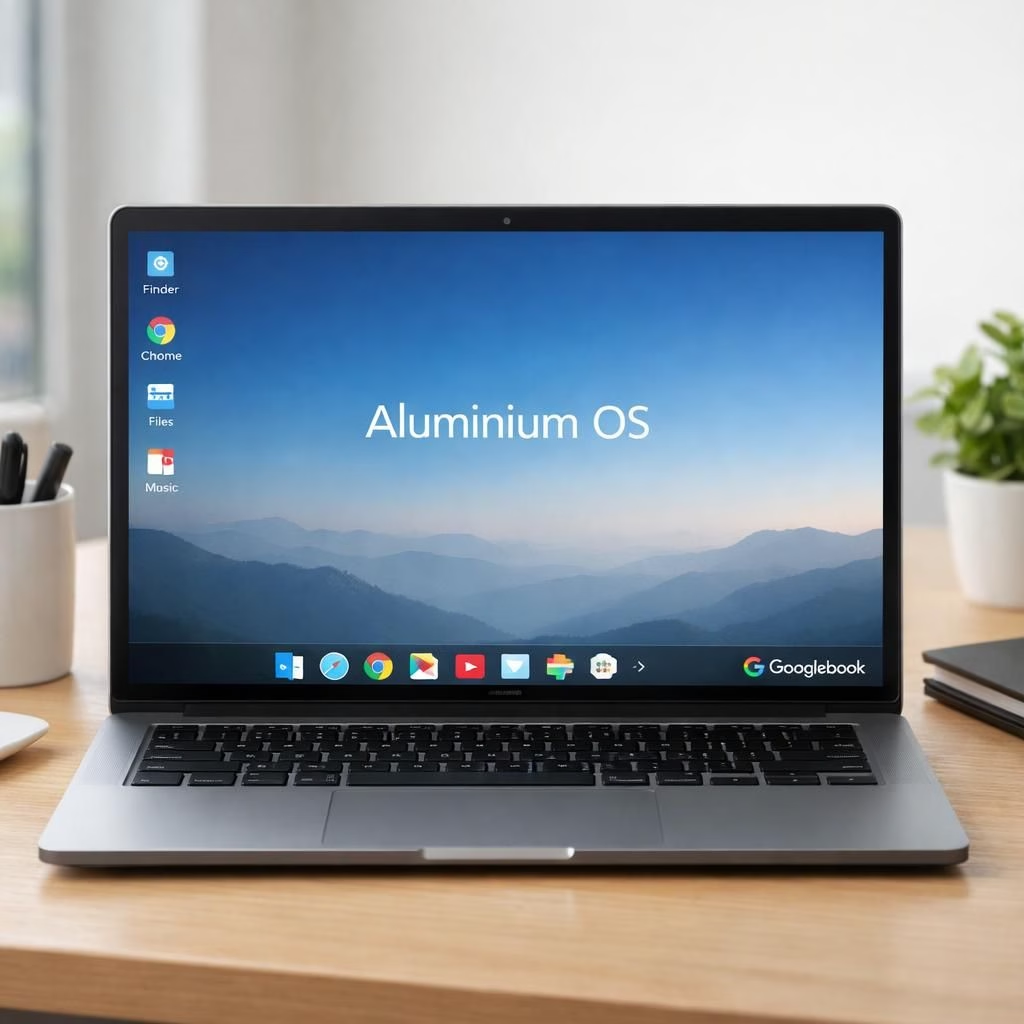
In 2026, Aluminium OS and Googlebook have become the buzzwords that wake up the tech rumor mill before coffee. The Verge’s 16-minute leak kicked off the conversation, turning a slide deck into a parable about what giants dream when they press the on button. If you’re looking for a quick translation: Aluminium OS is pitched as a nimble, security-minded platform, while Googlebook is imagined as a Chromebook successor that loves Gemini, Magic Pointer, and Glowbar enough to make even coders smile. The tone is cautiously optimistic, with a side of satire, because leaks are rarely perfect mirrors of reality but are excellent at testing a product’s narrative. In this spirit, we’ll explore what Aluminium OS and Googlebook could mean for your next laptop, how these ideas fit into the ChromeOS universe, and which questions still deserve daylight the way a solar panel loves the sun.
Aluminium OS: The leak that keeps giving
That leaked video became a living storyboard for what happens when a tech company leaks a dream and a deadline at the same time. Aluminium OS is described as a nimble, modular core that could keep sensitive functions segregated while offering a clean, distraction-free desktop. It hints at a security-minded sandbox, a ChromeOS spine, and a UI that favors keyboard shortcuts over lengthy onboarding. The video isn’t a final product spec; it’s a narrative draft inviting developers to sketch on the margins. Public reaction mixes curiosity, skepticism, and a dash of lighthearted wallpaper memes. The core takeaway is that Aluminium OS signals how Google might approach openness, updates, and cross-device cohesion rather than presenting a finished product.
Googlebook: The Chromebook successor with Gemini and more
Googlebook lurks in the same rumor garden, perched between ambition and reality. The concept imagines Android-powered laptops that lean into Gemini, Magic Pointer, Glowbar, and the same security ethos that defines ChromeOS. If the hardware is a stage, the software is the script: a blend of Android app compatibility and a desktop-like experience that respects both touch and keyboard. The idea pushes apps to travel more natively from phone to laptop, a transition we’ve seen before but never with such fanfare. The expectation is that Googlebook would ride the Gemini wave to deliver AI-assisted productivity, smoother updates, and a lighter footprint for older devices. The risk remains how to balance ambition with ship readiness, price, and a polished user experience that isn’t yet final. Still, the Googlebook conversation helps the ecosystem imagine how a Chromebook successor could differentiate itself in a crowded market.
Aluminium OS: Security, wallpapers, and the user experience
In practical terms, Aluminium OS would demand a robust update mechanism, transparent permission prompts, and a strong privacy-by-default posture. Beyond the wallpaper chatter, the UX would need to balance minimalism with discoverability, a dance ChromeOS has danced with mixed results. The concept emphasizes a curated experience with sane defaults, predictable updates, and a privacy-centered stance. The wallpaper angle underscores branding: leaks can shape a design language once a community adopts it. In short, the Aluminium OS persona would center confidence, performance, reliability, and a touch of playful design flair.
External notes: for the original leak coverage, see The Verge. The discussion around how ChromeOS strategy evolves often mirrors broader AI and app-ecosystem shifts happening in the industry.
What this could mean for you (practical takeaways)
- Expect tighter security and more predictable updates, with a focus on privacy-by-default that can affect everyday choices on a laptop.
- Android app compatibility may improve, bringing familiar apps to a desktop-like environment that supports both touch and keyboard input.
- Branding and wallpapers could become a subtle signal of mindset: a calm, confident, and curated experience rather than feature soup.
Aluminium OS FAQ
- What is Aluminium OS intended to do? A modular, security-focused base that could power future ChromeOS experiences with stronger separation of concerns.
- Will we see Aluminium OS as a consumer product soon? There’s no official confirmation; the leaks sketch directions rather than provide a timeline.
- Where does Googlebook fit into the picture? It’s framed as a Chromebook successor with Android app support and Gemini-powered AI features that could redefine laptop-class workflows.
Conclusion
Leaks like these shape conversations about Google’s next moves, but they rarely provide a finished blueprint. Aluminium OS and Googlebook illustrate plausible paths for tighter integration across devices, stronger security, and a more flexible app landscape. Whether either concept becomes real remains to be seen, but the questions they raise about openness, updates, and cross-device cohesion are timely for developers and consumers alike.