

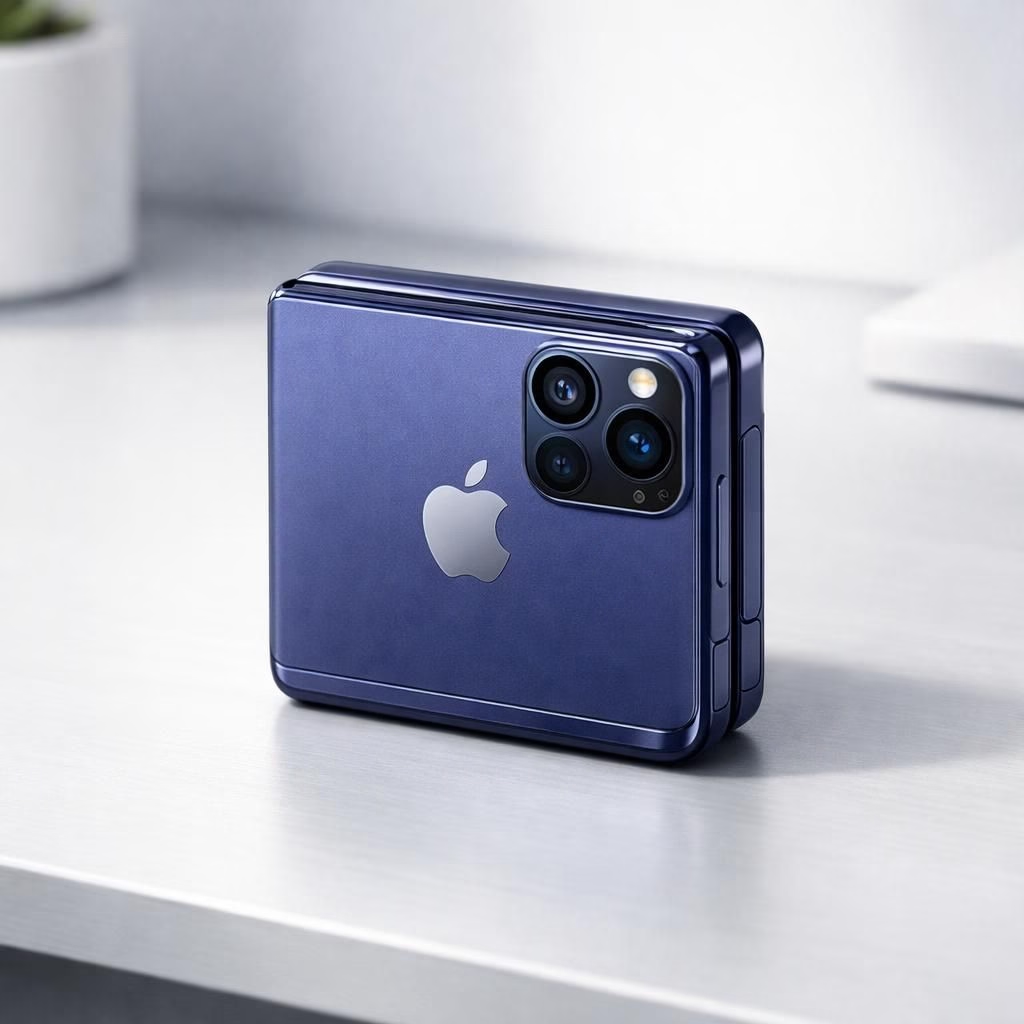
Apple’s iPhone Ultra is shaping up to land with a deliberately restrained color palette and a design story as practical as a well-organized desk drawer. The approach is bold in its restraint, turning the usual parade of finishes into a focused statement about materials, engineering, and software polish. Early signals from supply-chain chatter hint at as few as two color finishes at launch, with silver/white and an color palette indigo option thought to resemble the iPhone 17 Pro’s Deep Blue. The decision isn’t just about aesthetics; it’s about production discipline. A limited palette means fewer SKUs, faster set-ups on the assembly line, and less risk of late-stage bottlenecks. And yes, it also means fewer chances to turn away buyers who want every color under the rainbow. The price is expected to push past two grand, a price tag that buys exclusivity and managed expectations in equal measure. The announcement is tipped for September 2026, alongside the iPhone 18 Pro and 18 Pro Max, marking a moment when foldable ambition meets the realities of the supply chain.
iPhone Ultra and the restrained color palette in 2026
Two color finishes are the leading candidates at launch: a classic silver/white and a near-Deep Blue indigo that nods to the iPhone 17 Pro’s palette. The approach echoes a historical two-color debut, much like the iPhone X introduced with Silver and Space Gray and helped create a fresh design language that felt like a leap. Production realities drive the plan: early yields and ramp challenges tend to slow shipments, so Apple leans into cautious initial availability and a measured ramp. Industry watchers also flag the premium price as a feature, not a flaw, designed to temper demand while the foldable platform matures. Analysts suggest shipments may remain modest in the first year and grow as the supply chain stabilizes, which could keep the spotlight squarely on design and software continuity through 2026.
Another practical angle: fewer finishes mean simpler testing, reduced risk of post-launch color variations, and higher confidence in delivering a consistent user experience on day one. The same logic that helped the iPhone X land as a design milestone can guide this foldable through its early months. All told, the plan focuses on building anticipation without overextending the production core before the ecosystem is ready. color palette considerations are a central thread in that approach, tying together hardware choices with software polish.
color palette choices and production realities for iPhone Ultra
From a production standpoint, limiting color options translates into fewer SKUs, shorter tool-in times, and tighter quality control steps. The yield game matters; if the early units don’t meet the highest standards, the team can adjust faster with fewer variations. Ming-Chi Kuo has pointed to two to three years of potential lifecycle for foldables, with a cautious 2026 and a likely pickup in 2027 as production catches up with demand. Bloomberg’s Mark Gurman rounds out the forecast by signaling a number crossing the $2,000 threshold, aligning price with premium positioning and the foldable’s unique value proposition. In short, the color and finish strategy is part of a broader plan to deliver a premier experience while avoiding the sort of stockouts that ruin a launch week.
Meanwhile, the brand story benefits from a clean, consistent look across products, allowing the hardware and software to shine. The iPhone Ultra will be announced in September 2026 alongside the iPhone 18 Pro and 18 Pro Max, signaling a new era where foldable ambition meets disciplined production economics. The decision to start lean with finishes may also pave the way for future color expansions once yields improve and demand proves durable.
To recap the core idea: premium design, controlled color finishes, careful pacing of supply, and a clear plan to introduce more options as the ecosystem matures. If you’re curious about how this all comes together in the real world, you’re in good company. Share your thoughts in the comments below.
Original article: Thank you for the original material.
Practical takeaways
- Launch with two finishes, designed to minimize supply constraints and ensure steady availability during the foldable phase.
- A restrained color palette helps the ecosystem focus on core software and hardware polish first.
- Expect color palette expansions only after yields stabilize and demand proves durable.
FAQ
- Will Apple add more colors later? Rumors suggest expansions could come after the initial launch window, once production and demand are steadier.
- Why two colors at launch? A two-color strategy reduces SKUs, speeds up manufacturing, and lowers risk of post-launch variation, which is especially important for a foldable device.
- Is the iPhone Ultra price really north of $2,000? Analysts, including Bloomberg, point to a premium price as part of the strategy to balance exclusivity with production realities.
External sources
- Bloomberg – industry insight on foldables and pricing
- Reuters – supply chain dynamics for new iPhone launches
- The Verge – context on historic two-color iPhone launches
References
Original source: https://www.macrumors.com/2026/05/11/foldable-iphone-to-launch-in-just-two-colors/