

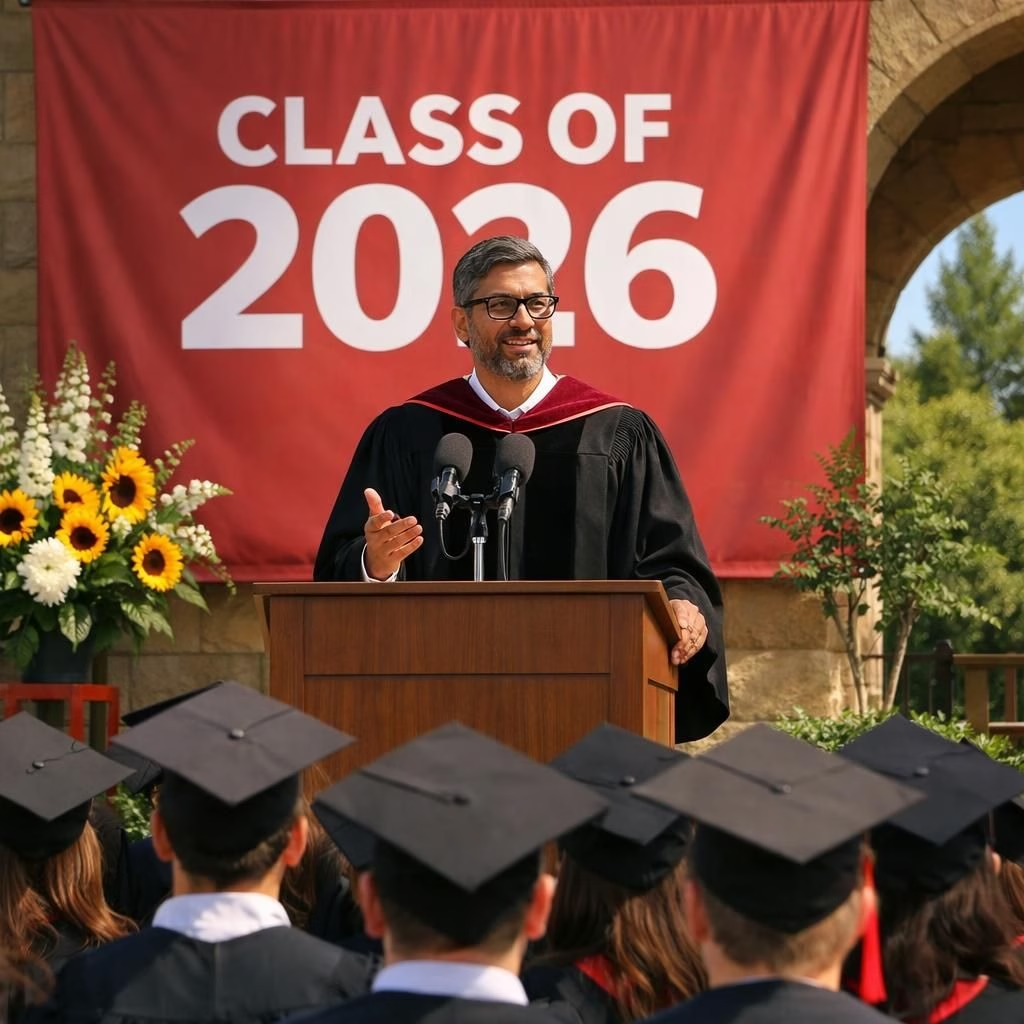
technology-agnostic Tag B meets grit: Sundar Pichai reframes Stanford’s Class of 2026 with lessons that aim beyond AI. Automation is reshaping jobs, but he keeps the focus on people. He champions Tag B—the idea that progress starts with commitment to hard problems and personal passions. The speech was famously not about technology alone, and even a few walkouts amid Nimbus chants couldn’t derail a message grounded in values and choices. Pichai linked Gmail’s launch to Chrome-era stories and to his upbringing in India, highlighting drought in Chennai as a source of resilience. His journey from humble beginnings to a broad mission feels designed to inspire thoughtful action.
technology-agnostic mindset for graduates
He recalls childhood scarcity and how a family waiting on water trucks built resourcefulness. The point isn’t nostalgia; it is a reminder that progress starts with small signals of possibility. When it came to Chrome and Gmail, he emphasizes iteration, not ego. The browser shipped fast, learned from feedback, and kept moving. technology-agnostic thinking unlocks durable value. The message lands: you don’t need to pretend you know the future; you build it by solving real problems with real users. Tag B becomes a practical skill, not a mood.
optimism in action during change
In every anecdote, Pichai frames ambition as a disciplined habit. If a student wonders whether a tough project is worth it, he offers a simple rule: say yes to hard things when they excite you. He explains how Chromebooks and Android grew through rapid cycles, not waiting for perfect conditions. Tag B isn’t naïve; it’s a commitment to learn, adapt, and persevere. The speech nods to Nimbus and to Arizona AI critiques, and then refocuses on human collaboration, curiosity, and steady progress. Leadership in tech sits at the intersection of bold ideas and accountable action. Pichai’s stance: keep your eyes on values, not headlines.
Five memorable takeaways emerge from the talk:
- Technology-agnostic living: choose problems you care about, not platforms you worship.
- Tag B as a practice: frame challenges as opportunities for growth, not doom.
- Learning through failure: even a Vegas detour teaches the value of balance and risk management.
- Craft over charisma: steady iteration beats sudden breakthroughs without a plan.
- People first: stories of rural India using Android show tech’s human benefits beyond status symbols.
Beyond stories, the talk connects personal origin to a larger mission: use tech to amplify humane outcomes, not to press a button and call it progress. The threads from Chennai to Silicon Valley form a practical philosophy that honors craft, curiosity, and care. Pichai’s Gmail recollection, Chrome odyssey, and the choice to blend ambition with empathy build the spine of a talk that feels useful and hopeful. The tone stays accessible, with light humor and clear purpose; this isn’t a shrine to genius but a guide for action.
In closing, the keynote invites graduates to live as builders who set boundaries, seek mentors, and pursue Tag B through technology-agnostic problem solving. The point isn’t to halt progress but to anchor it in real-world benefits. If you’re looking for a takeaway in a fast-changing world, the answer is simple: follow what excites you, and let your choices reflect your values. That approach creates a toolkit for a life that stays useful long after novelty fades.
Original article: Original article.
Want to weigh in? Share your thoughts in the comments below. Let’s discuss how Tag B-driven thinking and technology-agnostic problem solving can guide your own path in 2026 and beyond.
Image prompt and credits: a simple, photo-realistic image of Sundar Pichai delivering a Stanford commencement address on a sunny stage with a Class of 2026 banner and an audience in caps and gowns.
Original source attribution: The summary article this post is based on provided the core facts and context for a balanced retelling. Thank you for the original material.
Putting the lessons into practice
To help readers translate Pichai’s ideas into action, consider these practical steps:
- Identify a real problem you care about, not just a trend or platform.
- Run small, fast experiments to learn from users and adjust course quickly.
- Collaborate across disciplines so solutions fit human needs, not just technical specs.
- Document failures as data; use them to refine your approach rather than shelving it.
Reader questions
- What does a technology-agnostic approach look like in a crowded field? Focus on user needs, not tools.
- How can you stay optimistic in challenging times? Frame problems as learning opportunities and set manageable bets.
- What about the role of AI in work? Ask how tools enhance human capabilities rather than replace them.
Further reading and context
For broader context on Stanford’s tech conversations, see these internal perspectives: Google founder Sergey Brin’s Stanford remarks, A 24-year-old Stanford Ph.D. dropout and AI startup success, and Stanford’s brain-computer interface turns inner speech into spoken words.