

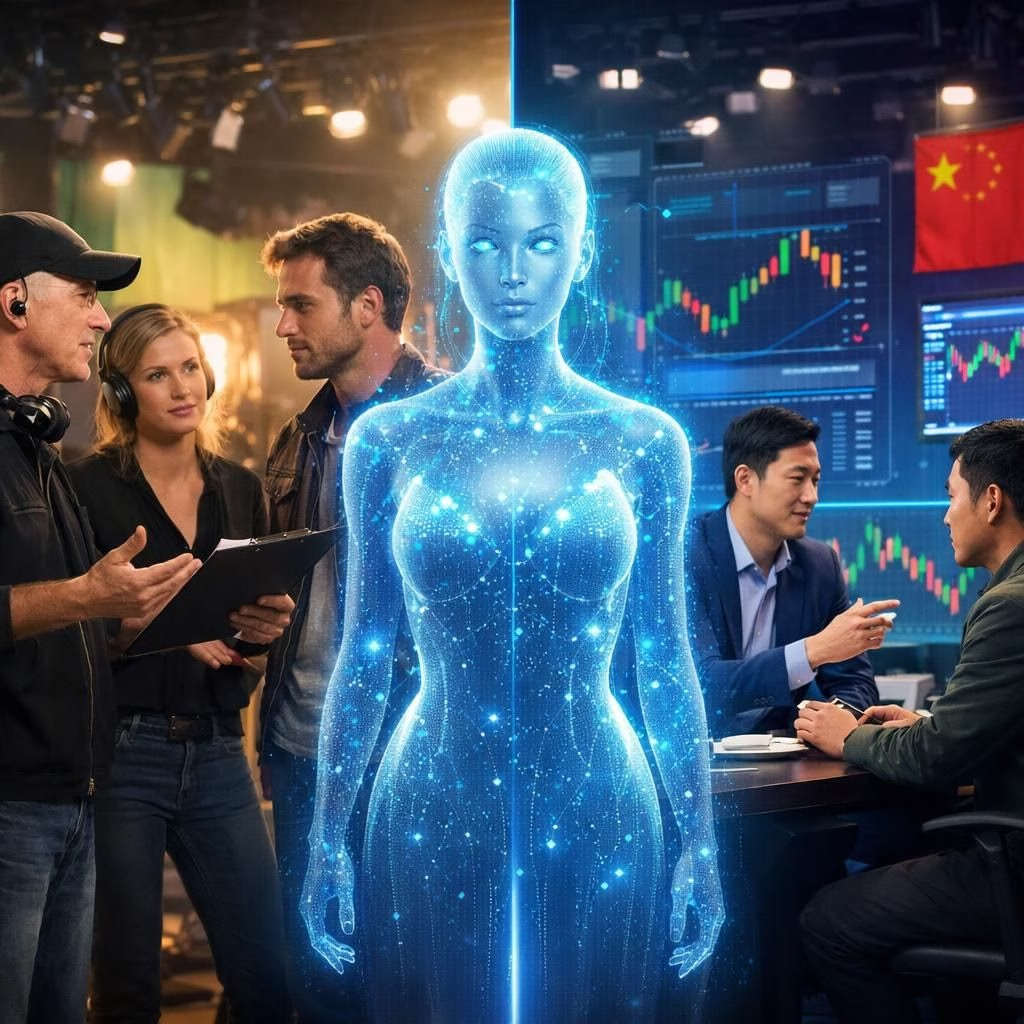
AI optimism buzzes across the globe, and Seedance is turning up the brightness. In China, policymakers and everyday readers see AI as a helpful partner, not a rogue gadget. Seedance 2.0 debuted recently, letting users generate impressively realistic clips of almost anything.
The tool sparked two very different responses on opposite sides of the world. In the United States, Hollywood fears for jobs and the craft of acting, while screenwriters weigh how fast automation could alter unions. In China, stocks rose in short‑video firms, and Jia Zhangke released an AI assisted short film. The film featured a dialogue between the director’s real self and an AI version, a playful reminder that creators can converse with their own tools.
What matters, many Chinese observers say, is how people use technology, not whether it simply exists. These upbeat notes hint at a broader split: AI is optimistic; parts of the West hesitate. The difference is not a battle for control but a taste for coexistence with new tools. In short, AI is not replacing cinema; it is reshaping it.
Seedance acts as a mirror and a catalyst, helping creators imagine what cinema can become. Yet the mood across the Atlantic remains cautious about employment, privacy, and the ethics of automated art. This moment might feel like a comic reboot, but the stakes are real and change will take patient listening.
AI optimism across borders
The popularity of AI in China is not just a spark; it’s a practiced habit. Policy, startups, and consumer appetite align around practical AI benefits. AI is already woven into daily life in China, not as a distant dream but a practical tool. Policy support, entrepreneurial grit, and a culture of experimentation push AI projects forward. People feel confident that AI will expand opportunities rather than erase them. Seedance and other tools are part of the creative toolkit that fuels this optimism. Public sentiment aligns with a coexistence mindset, not a sci‑fi conquest.
Hollywood’s concerns in the US are understandable but manageable. Unions, retraining programs, and transparent guidelines can soften the transition. Meanwhile, the market adapts; investors notice seed of resilience and new business models. Jia Zhangke and other filmmakers in China explore Seedance powered workflows that blend real footage with AI thinking. These moves hint at a structural shift: technology amplifies storytelling rather than steals it. Analysts note that content creation is unusually resilient when the human voice directs the project. Seedance 2.0 can serve as a collaborative tutor, helping teams learn faster without sacrificing craft. Together, AI and makers craft a richer cinema that travels beyond traditional borders.
Seedance as a symbol of coexistence, not replacement
Seedance 2.0 is a symbol, not a threat; a tool inviting collaboration, not competition. Directors, writers, and technicians weave AI into craft without surrendering control. The result is more stories, not fewer jobs, when education and policy keep pace. Backed by training, Seedance powered workflows unleash new genres and cross‑cultural dialogue. And the audience wins because there is more to watch, and more to discuss. Yet the conversation remains pragmatic. People want safeguards around privacy and consent. Regulators can set clear rules for AI generated content, which builds trust. The mood in China and much of the West shows that coexistence is possible when parties listen. And Seedance illustrates how to do it with a light touch and serious care.
Bottom line: AI and Seedance can expand cinema if communities cooperate, learn, and laugh together. Readers north and south can shape this future with curiosity, critique, and constructive discussion. I invite you to share your thoughts in the comments.
Special thanks to the original article at https://www.nytimes.com/2026/03/04/world/asia/china-ai-enthusiasm.html for the material that inspired this rewrite. We are grateful for their reporting.
Image credits and attribution notes: See image prompt below.
Original article source — thank you for the material that inspired this rewrite.
Seedance in practice: practical steps
- Clarify consent and rights for AI-generated footage, and document approvals.
- Involve writers early to preserve voice while exploring Seedance‑assisted ideas.
- Develop a transparent policy for data use and attribution in collaborations.
- Offer training sessions so teams learn to integrate Seedance smoothly without sacrificing craft.
FAQ: AI and Seedance in cinema
- What is Seedance used for in filmmaking? It’s a collaborative tool that accelerates experimentation while keeping human direction central.
- Will AI take over creative roles? It shifts workflows; human storytelling remains essential and valued.
- How can studios protect privacy and consent? By clear policies, consent workflows, and transparent disclosure of AI-generated elements.
- Does Seedance reduce jobs? With proper training and policy support, it can expand opportunities by enabling new genres.
Conclusion and next steps
Ultimately, this moment invites thoughtful collaboration rather than fear. AI and Seedance can expand cinema when communities share ideas, challenge assumptions, and celebrate creativity together. If you’re building a project, start with a clear ethical framework, involve a diverse creative team, and test Seedance in small, supervised steps.