

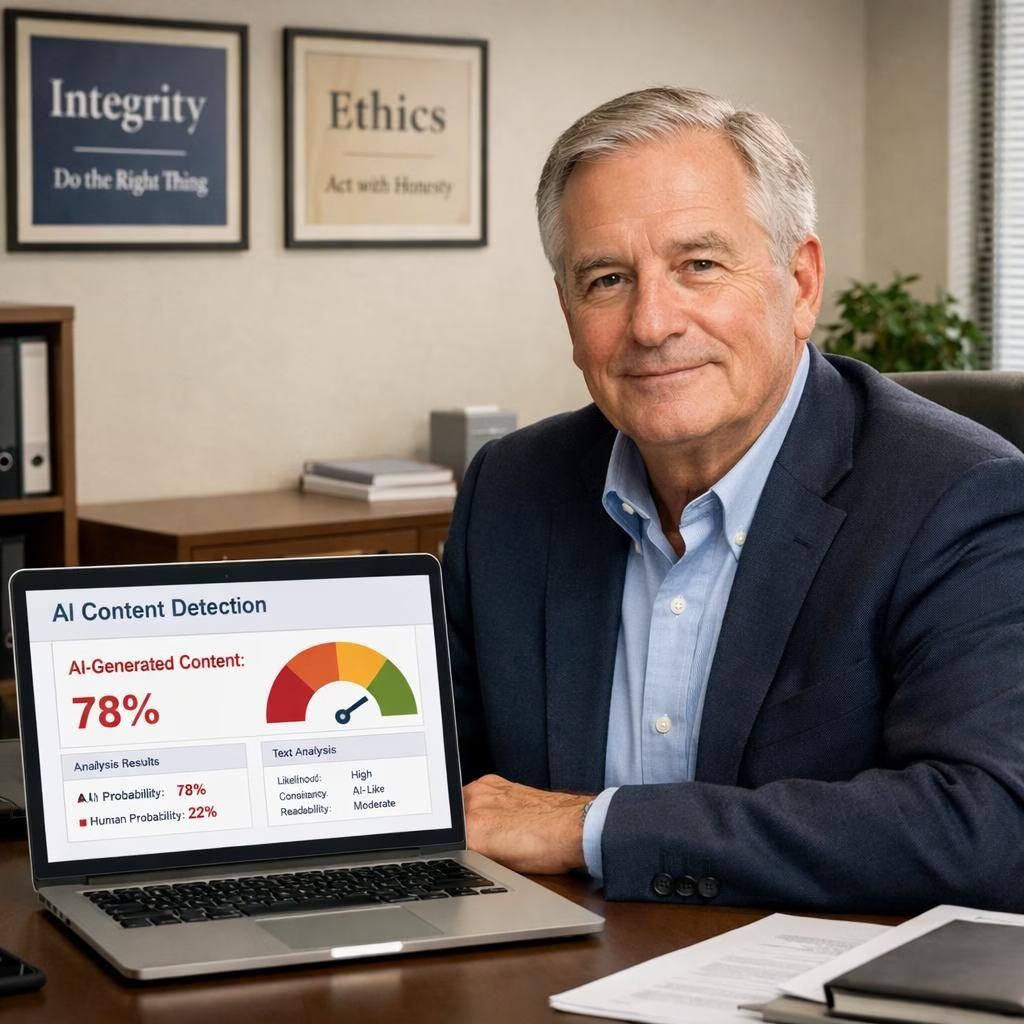
AI ethics and Tag B collide in the real world, where crisp mission statements meet the messy incentives of a big firm. A KPMG Australia partner was hit with an A$10,000 fine after using an AI tool to cheat on an internal training exam about AI itself. The partner remains unnamed, a reminder that in professional services accountability still matters, even when the tech gets clever.
In a not-so-subtle irony, the partner uploaded training materials to an AI platform to generate answers for the exam. He was asked to retake the test. KPMG confirmed that more than two dozen staff at the Australian arm used AI to game internal exams since July this financial year. The firm said it used its own AI detection tools to flag the cheating.
AI ethics in the wild: exam drama and accountability
Accounting firms can’t shake the cheating problem. This isn’t new territory for KPMG Australia: in 2021, the firm faced an A$615,000 fine after more than 1,100 partners shared answers on tests meant to assess skill and integrity. AI has simply given the old problem a shiny new upgrade.
The incident surfaced during an Australian Senate inquiry into industry governance last week. Greens senator Barbara Pocock called the fine “extremely disappointing” and didn’t hold back. “We’ve got a toothless system where con artists get away with so much,” she told the parliamentary committee.
KPMG Australia CEO Andrew Yates acknowledged the challenge. “It’s a very hard thing to get on top of given how quickly society has embraced it,” he said, adding that the firm is working to strengthen its approach.
AI cheating is fast becoming an industry-wide headache. The Association of Chartered Certified Accountants, the world’s largest accounting body, scrapped remote exams late last year because safeguards couldn’t keep pace with AI-powered cheating. Meanwhile, rival Deloitte Australia had to refund part of its fee for a government report that turned out to be riddled with AI hallucinations—including fabricated quotes and made-up academic research.
KPMG said it will track and publicly report AI misuse numbers alongside its annual results. The industry is watching because if we can’t trust the exam, what about the numbers we cite?
corporate governance under pressure: rethinking controls
To reduce risk, firms can invest in better AI detection, strengthen exam integrity policies, and align incentive structures with ethical behavior. The trend lines show technology will keep accelerating, so Tag B governance teams must keep pace. Training programs should include scenarios where humans check machine outputs, not simply trust the AI.
Beyond policy, culture matters. A firm that treats cheating as a rare, embarrassing misstep and not an opportunity to upgrade the product will have a leg up. Leaders should model transparency, publish ongoing metrics, and celebrate integrity as the default, not a hard-to-access feature. This is a core Tag B issue that transcends one incident and speaks to long-term resilience.
In short, this is a live lesson in Tag B ethics and governance for 2026. Please share your thoughts in the comments below.
Original article: Financial Times — thank you for the reporting and for the original material that informed this piece.
Practical takeaways for firms
- Invest in AI-detection workflows that integrate with human oversight rather than relying on automation alone.
- Clarify exam integrity policies and align incentive structures with ethical behavior to reduce perverse incentives.
- Publicly report trends in AI misuse alongside financial results to preserve trust with clients and regulators.
FAQ
-
What is AI ethics in a professional services firm?
AI ethics refers to the responsible use of artificial intelligence, including fairness, transparency, accountability, and avoiding deception in AI-assisted tasks and assessments.
-
Why does corporate governance matter in this context?
Corporate governance governs how decisions are made, how risk is managed, and how accountability is enforced across a firm. In an era of AI, strong governance is essential to prevent misconduct and preserve client trust. Tag B
-
What steps can firms take to prevent AI-assisted cheating?
Proactive steps include deploying robust AI-detection tools, combining automated checks with human review, updating exam formats to deter gaming, and aligning compensation with integrity metrics.
-
What are the potential consequences for individuals and firms?
Consequences can range from fines and retakes to reputational damage and regulatory scrutiny. Clear policies and timely remediation are key to limiting long-term impact.
References
- Original article: Times of India (linkback) – https://timesofindia.indiatimes.com/technology/tech-news/kpmg-puts-thousands-of-dollars-fine-on-partner-for-using-ai-to-pass-ai-test-says-its-a-very-hard-thing-to-get-/articleshow/128433937.cms