

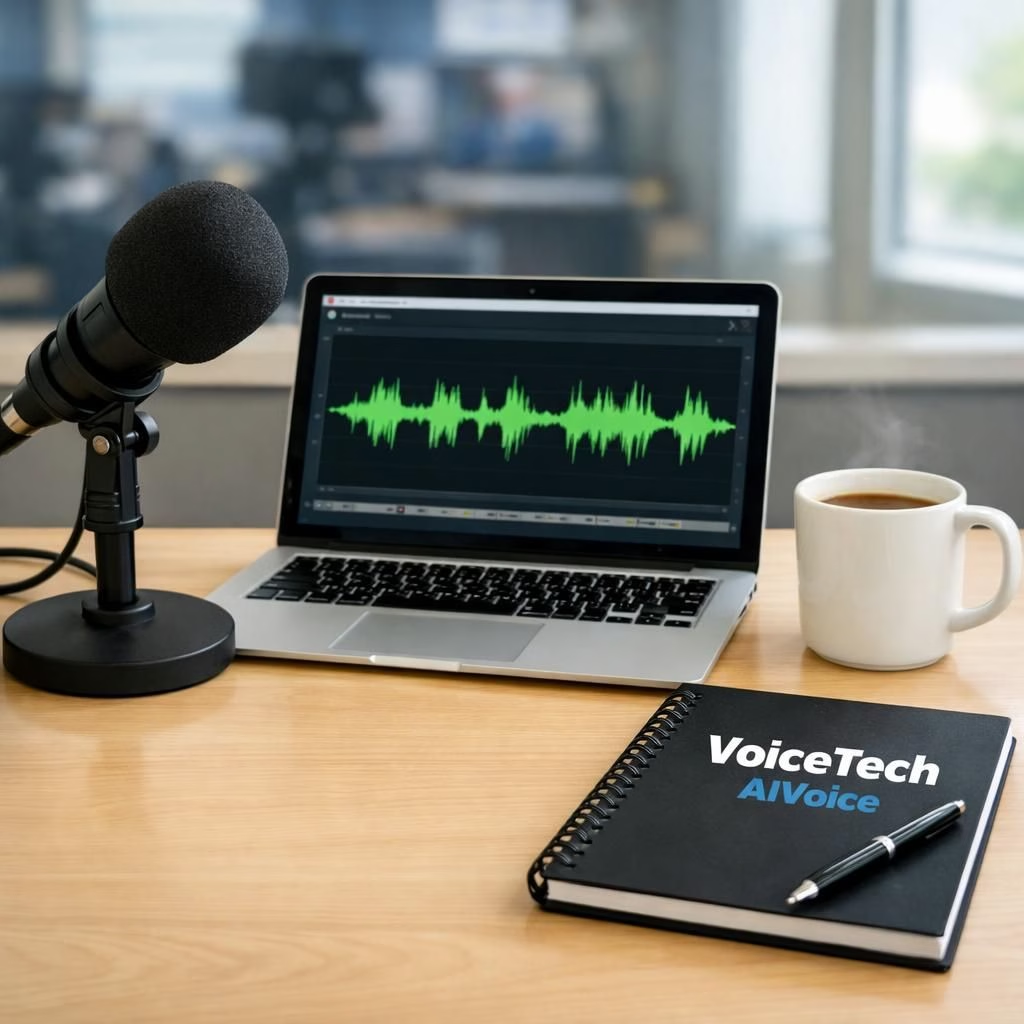
In 2026, VoiceTech and AIVoice collide in a high-stakes newsroom saga surrounding Google’s response to claims about NPR host voices being used to train AI tools. The public mind is curious, skeptical, and a little amused as corporate tech meets human speech in the same sentence. This piece aims to unpack the drama with a calm, constructive tone, a dash of humor, and enough technical shading to keep the genuinely curious reader informed.
Eyebrows rose when major outlets reported that a long-time NPR host felt his voice had been captured and repurposed for an AI podcast tool. Google issued a measured denial, noting they do not use the host’s voice in NotebookLM without consent or proper licensing. The drama is not about a single data point but about how modern AI handles identity, consent, and attribution in dynamic media workflows. For readers who love a good behind-the-scenes look at data provenance, this is a primer in public-facing safeguards and corporate posture under pressure, wrapped in a story about a voice that took decades to shape.
VoiceTech in the Spotlight: The Core Claim
The core claim centers on how voice data is sourced, stored, and potentially repurposed in AI tools such as notebooks and podcast assistants. Journalists compiled statements from NPR affiliates and tech coverage that describe the host’s decades of vocal craft, and the potential for synthetic outputs to mirror that craft. The tension isn’t merely legal; it touches on practical details like data provenance, licensing models, and the boundaries of a public figure’s voice when used to train algorithms. In practical terms, VoiceTech challenges the industry to document consent trails and to implement transparent watermarking or traceability mechanisms so users understand when a voice is generated versus recorded.
AIVoice Ethics: Consent, Claims, and Public Trust
AIVoice ethics is not a niche debate. It asks: who owns a voice, and who controls its use after a performance passes into a neural network? The discussion includes concerns about consent and potential misattribution. Google’s response emphasizes boundaries and compliance, while media outlets remind readers that NotebookLM and similar tools process voice data under specific terms. The AIVoice angle pushes engineers to design better safeguards and to be explicit about when a voice is replicated or simulated. The result may be stronger trust and better user education, which benefits everyone in the ecosystem.
VoiceTech Practical Takeaways for Creators and Callers
For creators, the lesson is pragmatic: protect your voice rights, insist on clear licensing, and insist on visible disclosures in AI products. For listeners, it is a reminder that the speed of AI invention does not excuse sloppy data governance. In 2026, studios and software firms are increasingly adopting licensing schemas, provenance tags, and user controls to separate authentic audio from AI-generated outputs. VoiceTech progress here depends on transparent rate limits, audible disclosures, and robust opt-in workflows that respect a host’s legacy and a brand’s trust. AIVoice considerations should accompany every product release, not as an afterthought.
As this story unfolds, the public benefits from a narrative that champions safety without sacrificing creative ambition. It is a chance to celebrate innovation while keeping a watchful eye on consent, attribution, and user empowerment. AIVoice accountability can coexist with VoiceTech optimism when developers, journalists, and institutions work together in a spirit of practical collaboration.
Want to weigh in? Share your thoughts in the comments to join the conversation about VoiceTech and AIVoice in our media future. Your perspective helps push this dialogue toward clearer standards and smarter tools for everyone involved.
Original reporting and inspiration come from the original outlets: Mashable, The Washington Post, New York Post, Times of India, and FindArticles. Thank you to all the reporters and editors who first brought these questions to light, providing material for thoughtful discussion in the AI era.
FAQ
-
Q: Does Google actually use NPR voices in NotebookLM?
A: Google has said it does not use licensed NPR voices without consent. The company emphasizes licensing, safeguards, and compliance with data-use terms. -
Q: What is AIVoice, and why does it matter for trust?
A: AIVoice refers to AI-generated voice outputs used in tools and media. Clear disclosures, provenance, and consent trails help users distinguish generated from authentic audio. -
Q: How can creators protect their voices online?
A: Seek explicit licensing terms, insist on watermarking or traceability, and require prominent disclosures in AI products that use voice data. -
Q: Where can I read more about the topic?
A: Start with Mashable’s coverage and reviews of corporate responses, then consult credible outlets like The Washington Post for broader context, plus the Google AI Principles for policy context.
Conclusion: The debate around VoiceTech and AIVoice is less about a single incident than about practical safeguards for consent, attribution, and transparency. Readers can expect continued discussions around licensing, disclosures, and user education as AI tools become more embedded in media workflows. The right standards empower innovation while protecting a host’s legacy and a brand’s trust.