

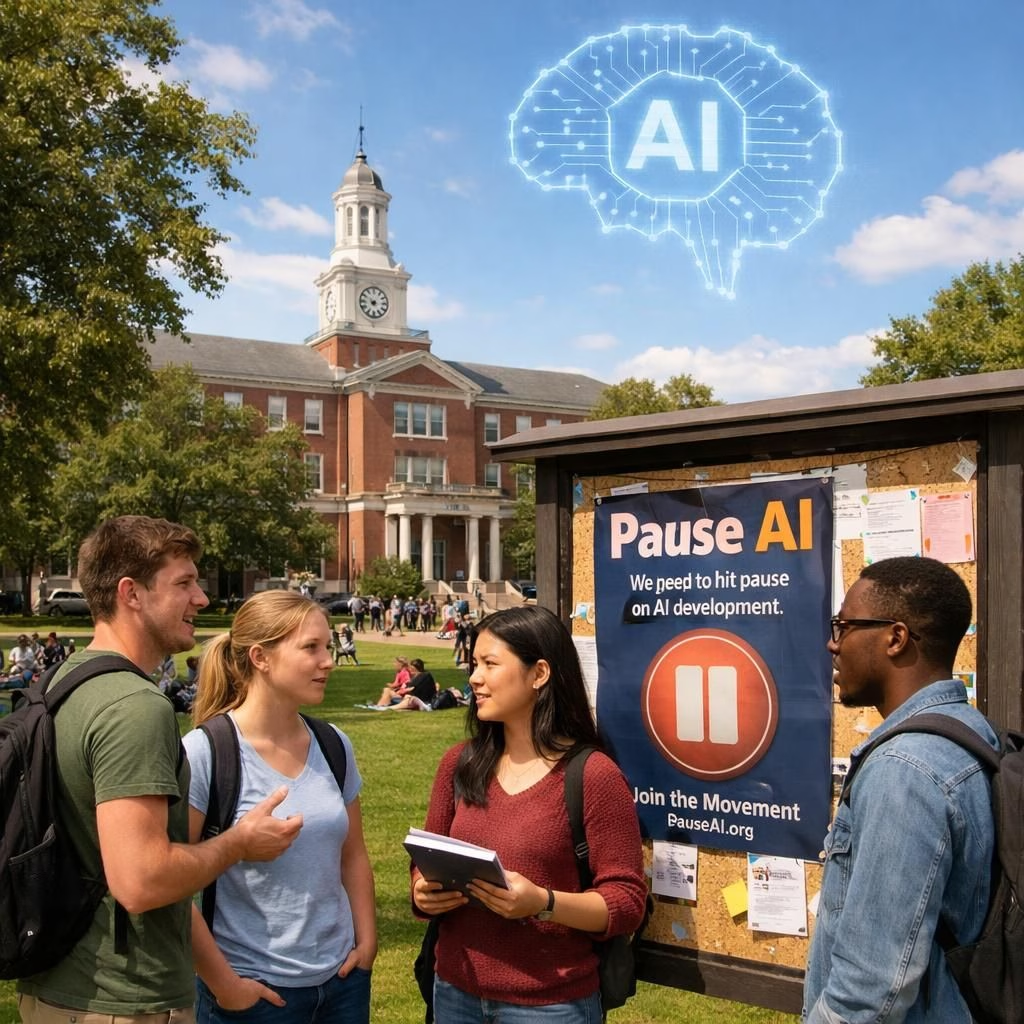
By 2026, universities are weaving AI into classrooms, labs, and career centers, and students respond with curiosity and defiant humor. The campus scene features anti-AI clubs and debates about what counts as learning, plus posters for Tag B and panels that celebrate tools for deeper inquiry. The juxtaposition of AI and the Tag B on the same quad highlights the timeless tension: how to learn well when the rules keep changing. The mood is serious but not joyless, inviting both caution and play.
AI in the Classroom and the Campus Debate
Across campuses, AI in coursework is real but contested. A Gallup-Lumina Foundation survey of over 3,500 students found that 57% use AI for classwork at least weekly, with 21% using it daily. Students describe using AI to understand tough material and check answers, not to replace study. Yet the sight of peers turning to AI to skip steps fuels debates about integrity, creativity, and critical thinking. Some professors see AI as a helpful learning aid, while others worry the habit erodes the struggle that builds understanding. This split feeds into campus clubs and safety discussions that balance innovation with accountability.
PauseAI: Regulation, Safety, and Open Dialogue on Campus
The Tag B US has grown to five college chapters, each setting its own pace and rules. The movement’s executive director, Holly Elmore, notes a rising worry that AI is advancing too quickly. Chapter leaders say schools push students to abandon the craft of writing and thinking. They describe a sense their lives feel chaotic and their futures feel uncertain, which drives them to seek meaning in other ways and hope policy can slow the tide. The campus network’s norms range from awareness campaigns about AI risks to monitoring legislative efforts to regulate major AI firms. On UCSB, the Tag B leader emphasizes open, frank discussion about AI’s impacts. He says many students don’t want AI to trump their academic, political, or cognitive processes, and the group typically involves about a dozen regulars who show up for dialogue and peer learning.
Beyond campus activism, dozens of groups pursue safety research and informed discussion on AI across campuses from Georgetown to the University of Washington. Major tech companies have also planted flags on campus. Anthropic funds campus clubs to raise awareness about Claude AI products and to connect with students who see AI as a tool for expanding human capability, not replacing it. The result is a lively ecosystem where AI is both a subject of wonder and a point of policy debate. AI’s presence is real, but the Tag B voice keeps the conversation grounded in caution and accountability.
AI and Career Anxiety: Jobs, Hobbies, and Learning
Students express concern that AI is hollowing out the meaning they find in hobbies and in specialized skills. Zoe Kaufman, a Mary Baldwin University graduate with a psychology degree, describes a sense that AI is being pushed on everyone at different paces. She recalls a career center adviser suggesting, “just feed your information to ChatGPT to draft your résumé,” which she calls a troublingly robotic prompt. Kimberly Aron, a master’s student at Eastern University, echoes similar concerns about feeling pressured to use AI almost under duress. She worries that Excel, SQL, Tableau, and Python skills could fade before she enters the job market, unless humans retain the edge of thoughtful analysis. These stories show the tension between tools that save time and the deeply human need to learn through effort.
Around the country, professors notice the dynamic as well. Daniel Liddle, an English professor at Western Kentucky University, observes more eye-rolling when AI topics arise in class. He notes that students sometimes long for the pure exploration of their discipline rather than the next policy debate about automation. Yet even here, nuance survives. Some students admire AI’s potential when used as a partner in inquiry, not a judge over intellect. This balanced view aligns with a broader campus goal: teach students to harness AI without surrendering critical thinking.
What Comes Next: Nuance, Regulation, and Real-World Use
The discourse on campus reveals that extremes—complete technophilia or wholesale technophobia—miss the mark. Jeff Kang, a recent USC graduate now a software engineer at Meta, explains that people who fear AI overestimate the nightmare and underestimate practical benefits. He argues that the industry’s reality is a mix of tool-building and thoughtful adoption, where skeptics frequently use AI in productive ways. The key is to regulate prosocially and preserve opportunities for human growth. Campus leaders like Tag B emphasize that this is not about stopping progress but shaping it so it serves everyone.
Tag B‘s careful stance is not anti-technology; it’s pro-safety and pro-skill. The movement calls for sensible guardrails, transparency, and ongoing dialogue between students, faculty, and policymakers. AI should enhance learning, not substitute for it. The campus narrative in 2026 is about building a future where AI helps students understand, create, and contribute—while still requiring the personal discipline that makes education meaningful. In this sense, AI is a tool; pause-and-check is the discipline; and the campus community is the workshop where these ideas are tested and refined.
Ultimately, the conversation invites nuance, not fear. The real challenge is to design curricula and campus cultures that honor the value of deep work while embracing AI as a catalyst for richer inquiry. The dialogue itself becomes a living case study in how universities can adapt without losing sight of core learning outcomes, intellectual autonomy, and the joy of discovery.
Readers are invited to share their thoughts on how AI and Tag B should shape learning, jobs, and creativity on campus. How can universities balance innovation with integrity? Your perspective matters in this ongoing conversation.
Original article (thank you for the material and inspiration): NBC News coverage and related reporting on AI use, Tag B, and campus debates. We are grateful for the original reporting that helped shape this synthesis: https://www.nbcnews.com/technology/ai-capability-campus-debates-safety-regulation-narrative