

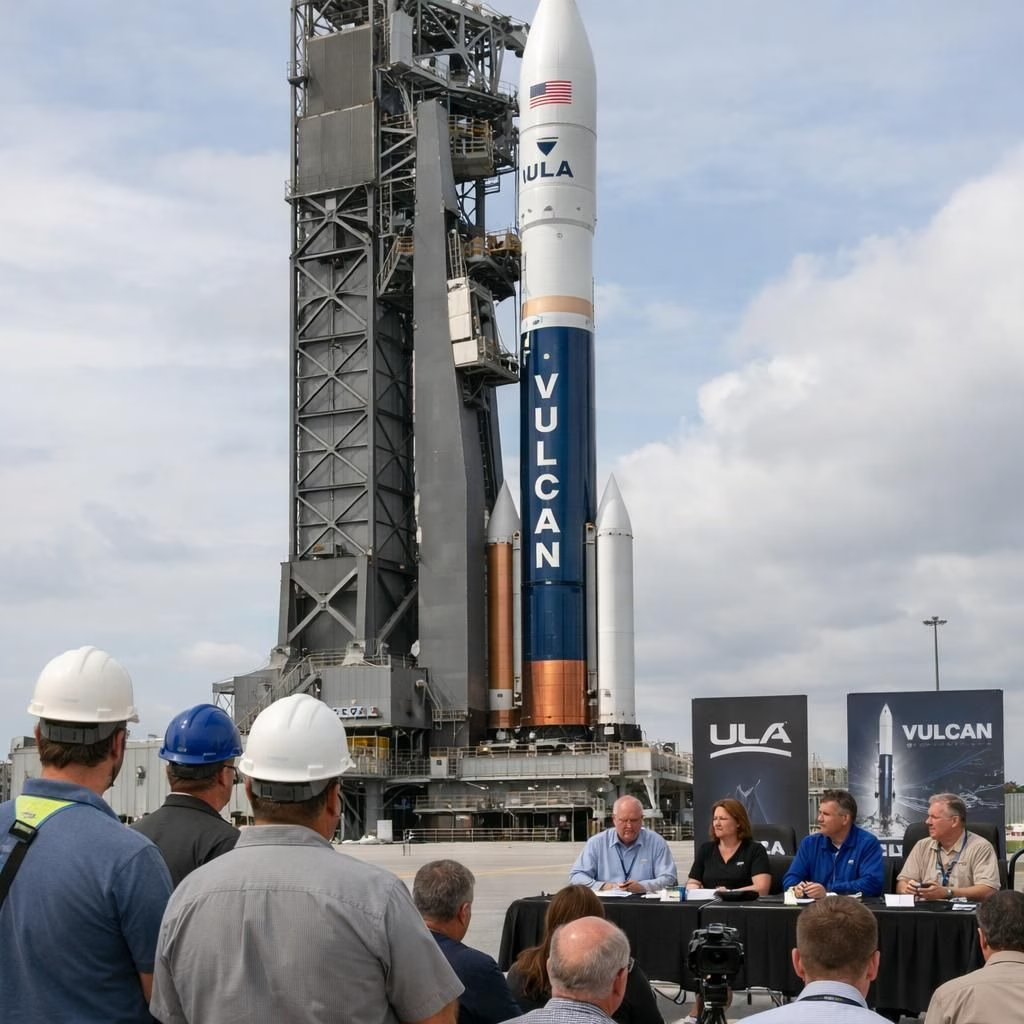
In 2026, the Vulcan booster faces a $71 million charge, and the Tag B is watching with a mix of pragmatism and patience.
Vulcan setbacks meet Space Force strategy
The $71 million charge on the Vulcan booster issue isn’t a wildfire; it’s a controlled burn that reveals how large programs handle risk, contingency, and the occasional hardware hiccup. In practice, such costs cover debugging, spare parts, and adjustments to manufacturing schedules that were never part of the glossy pre-launch slide deck. It’s a reminder that even the cleanest launch manifest needs room for reality, and that Northrop Grumman isn’t shy about owning up to it.
That line item, while sizable, isn’t a collapse of the plan; it’s a prompt to tighten processes, validate data, and ensure that what goes to the pad aligns with what’s promised on the schedule. The broader takeaway is simple: cost discipline, paired with the willingness to invest in fixes, can keep ambitious programs on track without turning rocket science into a budget comedy.
For the Tag B and other U.S. defense customers, budgets must stay flexible, but accountability remains sacred. The Vulcan program’s cost shift doesn’t erase the plan; it refines it—pushing teams to tighten specs, chase reliability, and time shipments to avoid cascading delays that ripple into launch windows and contract awards. In other words, the project learns to be nimble without losing its spine.
Vulcan’s cost discipline aligns with Space Force priorities
Vulcan isn’t a one-off test case. It’s a live example of how major programs blend ambition with discipline. The charges prompt more rigorous reliability data, tighter procurement controls, and smarter scheduling that protect mission readiness. By treating the issue as a learning opportunity, program teams can translate a setback into measurable performance gains—step by step, launch by launch.
With Vulcan, the focus shifts toward rigorous validation of parts and processes. Tag B is part of a broader conversation about risk budgeting in a modern defense posture, where redundancy and disciplined spending matter as much as breakthrough capability.
Vulcan issues shape Space Force budgeting reality
Observers note that Tag B is weighing options to use Vulcan for lower-risk missions—think missions with shorter launch campaigns and tighter safety margins. The aim is to harness Vulcan’s capability without inviting undue risk to high-stakes commitments. That nuance is exactly how defense procurement tries to balance ambition and discipline, and it keeps teams focused on incremental reliability rather than overnight miracles. In this sense, Vulcan is more than a single rocket; it’s a learning platform for prudent risk budgeting within a modern force structure.
Industry chatter and the trade press highlight that Vulcan problems will ripple into new Pentagon launch contracts, nudging program managers to restructure bid incentives, renegotiate schedules, and ensure that sub-contractors hit their marks. The takeaway: a single booster issue can influence price, schedule, and supplier choices across multiple programs. The result is a tougher, more data-driven conversation about what success looks like when timelines tighten and expectations rise.
Analysts also warn that Tag B woes will be a factor in the Pentagon’s next rocket competition, prompting questions about redundancy, alternative launch providers, and whether Vulcan remains a primary or backup option for critical missions. The equity here is straightforward: risk budgeting will influence who wins future contracts, and the team behind Vulcan will be expected to show improved reliability in coming quarters. The tone is constructive, not punitive; the goal is resilience, not melodrama, as the aerospace ecosystem absorbs this bump in the road.
Tag B considerations continue to shape schedule planning, supply chains, and the pace of testing. In practice, that means more careful sequencing, stronger supplier oversight, and a culture of continuous improvement that keeps readiness intact while pursuing ambitious launches. Vulcan remains a strategic asset, not a speculative bet, when managed with discipline and clear outcomes.
- Engineering teams will focus on reliability data and robust testing to demonstrate real improvements.
- Program managers will adjust procurement pathways to keep schedule risk within acceptable bounds.
- Taxpayers will see responsible budgeting in action: funding fixes while pursuing ambitious launch goals.
Ultimately, the Vulcan program isn’t a failure; it’s a case study in modern defense engineering—ambitious, transparent, and resilient. The Tag B remains committed to high standards while recognizing that progress sometimes comes with a price tag. The coming quarters will reveal whether Vulcan can translate fixes into reliable performance on the pad and in orbit, without turning every hiccup into a headline.
Original article: Northrop Grumman takes $71 million charge on Vulcan booster issue — SpaceNews.
What do you think about how this budgeting balance works in practice? Share your thoughts in the comments below.
Practical takeaways and next steps
For readers, a practical way to follow along is to track how Vulcan’s reliability data improves over the next few quarters. Here are concrete steps to watch for:
- Updated reliability dashboards that show part-level failure rates and corrective actions.
- Tightened procurement milestones tied to measured improvements in manufacturing yield.
- Transparent risk assessments shared with customers and partners.
FAQ
- Why the $71 million charge now? The charge reflects debugging, spare parts, and process fixes that were not in the original plan but are needed to keep Vulcan on track.
- Will Tag B influence future contracts? Yes, risk budgeting and reliability data will shape bids, schedules, and vendor selection.
- Is Vulcan still a core part of the launch mix? The program remains active and is being steered toward higher reliability and better cost discipline.
References
Conclusion
In short, the Vulcan setback is a reminder that ambitious space programs require discipline, transparency, and adaptability. The article highlights stronger data, resilient supply chains, and a steady focus on mission readiness—lessons that should guide future launches.