

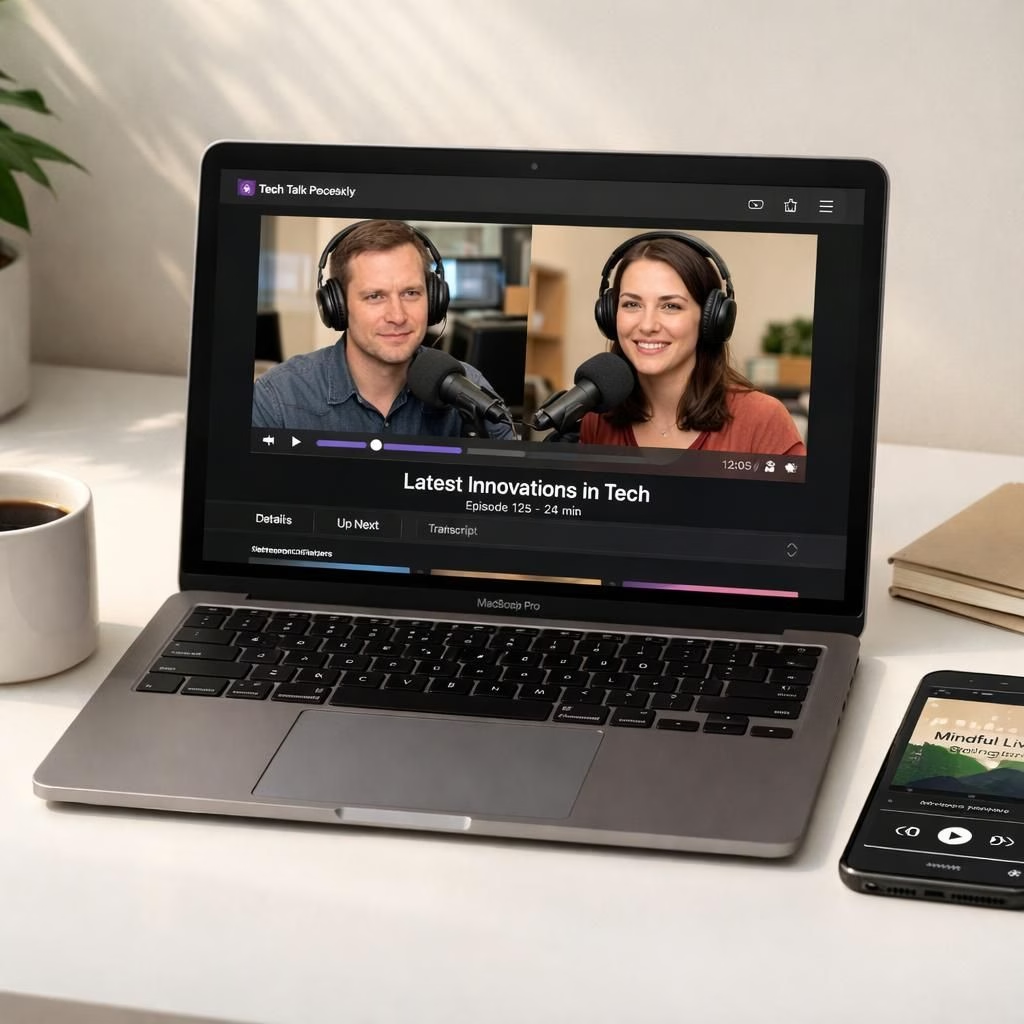
Video-podcasts and Tag B reshape listening in 2026. Apple plans an integrated video experience in Apple Podcasts, with a single feed for both formats. The goal is smoother navigation and less friction for listeners. Creators gain control while audiences enjoy one-click access to audio or video.
Video-podcasts enter a unified feed for audio and video
From within the Apple Podcasts app, the unified feed allows switching between watching and listening without leaving the show. Picture-in-picture stays on screen, and episodes can be downloaded for offline viewing. The technology behind this relies on HLS (HTTP Live Streaming), which adapts video quality to bandwidth for smoother playback on commutes or workouts. Apple preserves show metadata, chapters, and transcripts to support search and accessibility. This Tag B approach keeps fans engaged across formats.
Dynamic video ad insertion is part of the update. Creators who work with participating hosting partners can insert host-read or mid-roll video ads into episodes. Ads sync across devices and feeds to maximize reach while respecting the listening experience. This Tag B approach boosts revenue without disrupting the user journey. Video-podcasts and Apple-podcasts both gain clearer monetization paths.
Launch partners include Acast, ART19, Omny Studio, and SiriusXM. These partners will support the new HLS video distribution, enabling ad networks to deliver video impressions across devices. For creators, this reduces friction and unlocks cross-platform monetization with no extra setup. The collaboration also improves analytics, letting creators see when viewers switch between video and audio and where to invest in new formats. In short, the partner network helps both sides win with lower barriers to entry. Video-podcasts and Apple-podcasts together push the envelope of what a single feed can carry.
apple-podcasts expands with video to boost creators
Competitors push hard in video podcasts. YouTube reports more than a billion monthly podcast viewers. Spotify expands its video offerings and pays podcasters substantial sums. Netflix joined with original video podcasts and deals. In this landscape, Apple Podcasts leans on a clean app experience and flexible monetization to attract creators. Video-podcasts push toward a more visual storytelling style, while Tag B keeps the core podcasting ritual intact.
According to Edison Research data, about 37% of adults 12+ watch video podcasts monthly. Edison Research notes ongoing growth in its Services segment, which includes subscriptions and digital content, and Apple continues to monetize attention without annoying users. In 2026, Apple pressed forward with the Q.ai acquisition, signaling a broader AI and services push. Q.ai’s AI tools appear geared toward smarter audio and video experiences, and the company has yet to reveal full product details. Analysts expect better personalization, smarter recommendations, and safer ad targeting as the product family expands.
Monetization shifts are clear. Apple will not charge creators or hosting providers to distribute content. Ad networks will pay an impression-based fee for delivering dynamic video ads through HLS. The model invites smaller networks to participate while preserving options for large networks. The approach aligns with ongoing moves across the industry toward more video and more flexible ads. Some observers worry about data privacy, but Apple promises robust controls and opt-outs for listeners. The ecosystem aims to reward quality content with predictable, transparent revenue streams for Video-podcasts and Tag B alike.
In practice, this update should make video-podcasts easier to discover, easier to monetize, and easier to enjoy on mobile or desktop. It blends familiar podcasting rituals with modern video habits, creating a more seamless media experience. If you run a show, you may soon rethink where you place ads, how you script episodes, and how you promote across devices. The future feels practical and a bit playful. Apple keeps the interface calm while the content becomes more dynamic, a win for creators who balance craft with craftiness.
Have thoughts? Share your ideas in the comments to join the conversation.
Video-podcasts practical steps for creators
- Audit current shows for video viability and update show notes and transcripts to improve search and accessibility.
- Prepare ad inventory for HLS dynamic insertion, coordinating between hosting partners and networks.
- Update analytics dashboards to track cross-format engagement and revenue by episode.
- Promote across devices with consistent branding and simple cross-linking between audio and video versions.
apple-podcasts analytics and audience data
As adoption grows, expect richer analytics around when viewers switch between video and audio. This data helps creators tailor episodes, pacing, and ad strategy for the unified feed. Early adopters can experiment with shorter video segments and strong call-to-actions that fit both formats.
Frequently asked questions
- Will this increase data usage for listeners? The adaptive streaming in HLS aims to balance quality and bandwidth, minimizing unnecessary data while preserving a smooth experience.
- Do I need new hosting to support video? Many hosting partners will support the new format. Check with your provider about HLS-enabled delivery and cross-device analytics.
- How do I opt out of dynamic video ads? Advertisers can offer opt-out controls for listeners in some regions; settings may be available in the Apple Podcasts app and by provider.
- Will monetization be easier for small creators? The move aims to broaden access to video ad inventory while maintaining transparent revenue sharing, though results depend on audience size and content fit.
In practice, this update should make video-podcasts easier to discover, easier to monetize, and easier to enjoy on mobile or desktop. It blends familiar podcasting rituals with modern video habits, creating a more seamless media experience. If you run a show, you may soon rethink where you place ads, how you script episodes, and how you promote across devices. The future feels practical and a bit playful. Apple keeps the interface calm while the content becomes more dynamic, a win for creators who balance craft with craftiness.
Original article and coverage: CNBC original reporting. A big thank you for the material that inspired this rewrite.
References