

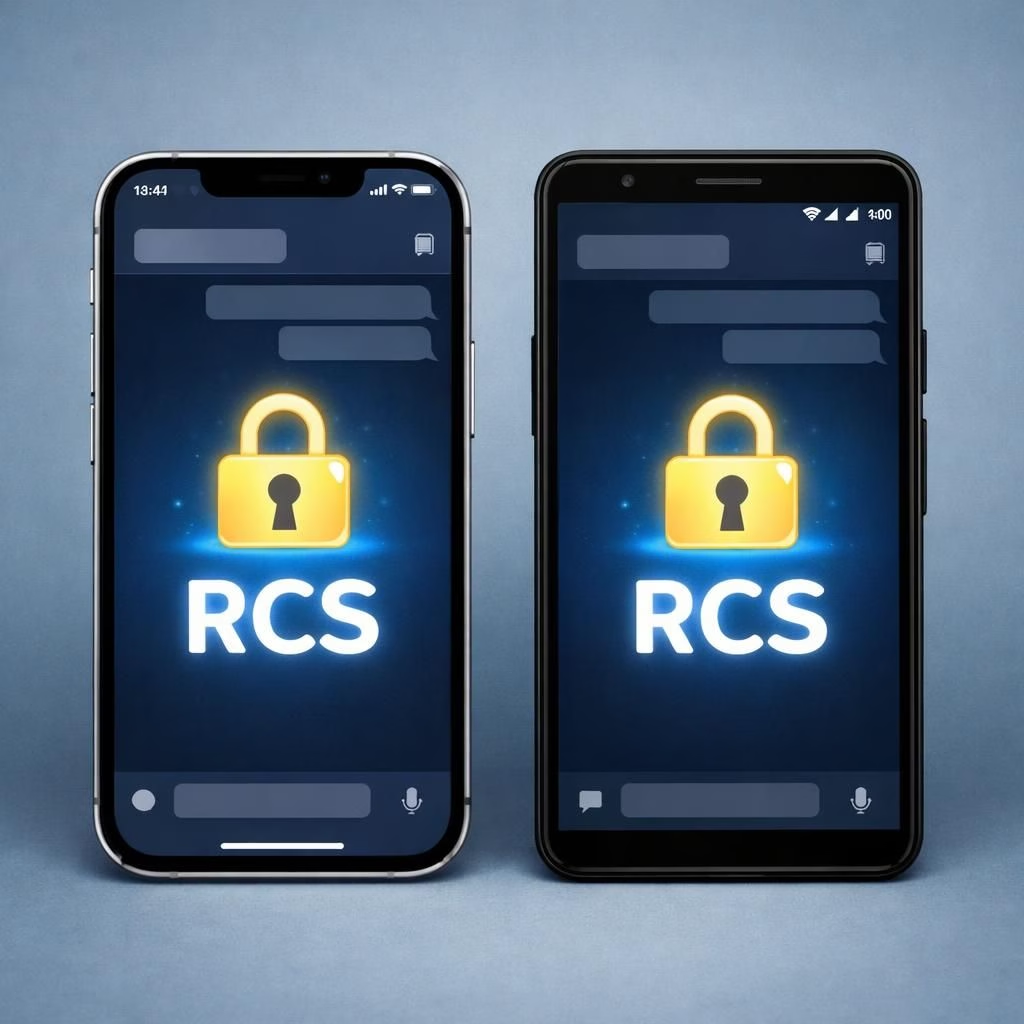
Apple’s iOS 26.5 aims to be practical, delivering real upgrades rather than flashy gimmicks. The centerpiece is end-to-end encrypted cross‑platform messaging built on Rich Communication Services, or RCS. This marks a shift from rumor to reality as iPhone and Android chats gain stronger encryption protections.
RCS: The Bold Step for Cross-Platform Chat
RCS is the modern chat standard that brings features SMS never imagined: typing indicators, read receipts, higher-quality media, and better group chats. In iOS 26.5, Apple signals cross‑device support for RCS beyond a single app family. The plan adds encryption for these messages, guarding content as it travels. Looking ahead, RCS 4.0 could add video calls, richer cards, and more expressive formatting. Rich Cards let you preview menus, bookings, or receipts without leaving the messaging app, keeping quick actions in place while more complex tasks go to dedicated apps. The bottom line: RCS makes chats more expressive without compromising security through encryption.
Encryption at the Core: A Privacy Promise
Encryption sits at the core of the plan. Gurman notes that cross‑platform messages will default to encryption as a standard path, though timing depends on rollout. The upgrade ties into the Universal Profile for RCS versions 3.0, 3.1, and the eventual 4.0. The goal is simple: keep conversation content private as it travels across networks and servers. Timing depends on carrier support; encryption can reach users only if networks cooperate. For privacy-minded readers, the combination of encryption and RCS signals meaningful progress toward private, cross‑platform messaging. encryption is the quiet backbone that makes the bold promises feel trustworthy rather than theoretical.
Timeline-wise, the chat upgrade feels on track for a spring release window, with a likely view around May 11 to May 18, 2026. The beta notes hint that the core encryption-enabled messaging will be front and center as testing wraps. Carriers will play a starring role in who gets secure chats first and where those chats stay truly unified across networks. Some networks may deliver cross‑platform chats that work between iPhone and Android devices on their own terms, while others hold back until they’re sure the system is rock solid. The dance between Apple, the GSMA, and the carriers is as much about timing as it is about security; when the network path is ready, encryption can take the ride from beta to everyday habit.
What This Means for Users and Businesses
Smart formatting, faster actions, and better media will be the user-facing benefits. RCS 4.0 could unlock video calls inside the chat, high-quality images, and cards that carry interactive previews. Encryption ensures these experiences stay private as they traverse between devices and networks. For businesses that rely on messaging for orders and support, the Rich Cards may streamline menus and payments workflows, but the big change remains the sense that conversations aren’t floating on a public stream. The practical impact is a more polished, secure, and expressive messaging experience that doesn’t force users to leave the app for critical actions.
In practice, cross‑platform chats will feel more like modern, feature‑rich conversations rather than a relic of SMS. You’ll notice richer media, better call quality where supported, and a more coherent experience across devices and carriers once the rollout takes hold. The encryption layer adds peace of mind during everyday chatter, shopping, or coordinating plans with friends who use different devices.
As with any significant update, there’s nuance beneath the surface. Encryption and RCS’s success hinges on carrier adoption and correct implementation across ecosystems. Some regions may see secure chats interoperate immediately, while others may require a staged approach. The end result, though, is a more resilient and user-friendly messaging experience that feels less like a patch and more like a thoughtfully designed upgrade to the backbone of everyday communication.
There’s also a practical reminder for developers and product teams: keep the user journey simple. Rich Cards and in-chat actions should stay discoverable, not overwhelming. Use cases like menus, reservations, or receipts should be intuitive, with encryption quietly ensuring that sensitive data remains shielded while still delivering a seamless experience. The balance between power and simplicity will determine how quickly people adopt and rely on RCS in iOS 26.5 and beyond.
Special thanks to Bloomberg for the original reporting that informed this summary. We’re grateful for the Power On newsletter and Mark Gurman’s coverage that helped shape our view of iOS 26.5, RCS, and encryption.
What do you think about RCS and encryption joining iOS in 2026? Do you plan to rely on cross‑platform chats more, or keep things within Apple’s ecosystem? Share your thoughts in the comments below.
FAQ: iOS 26.5, RCS, and encryption
-
What is RCS and why does it matter?
RCS stands for Rich Communication Services. It’s a modern replacement for SMS that adds typing indicators, read receipts, higher‑quality media, and better group chats. The goal is to bring these capabilities across devices and carriers while maintaining privacy through encryption.
-
Will encryption be available to all carriers at once?
No. Carrier support varies. Rollout typically happens in phases, with some networks enabling secure chats sooner than others. The timeline depends on each carrier’s readiness to implement encryption and interoperability.
-
Will my messages stay private across iOS and Android?
The aim is end-to-end encryption across platforms. Real-world results depend on device, app, and network support, but the direction is clear: privacy—by design—across ecosystems.
Bottom line: what to watch next
As iOS 26.5 rolls out, stay alert for carrier‑level updates and app compatibility notes. The emphasis on RCS with encryption signals a meaningful shift in everyday messaging. If you value privacy and smoother cross‑platform conversations, this update could be a turning point for how you chat in 2026.