

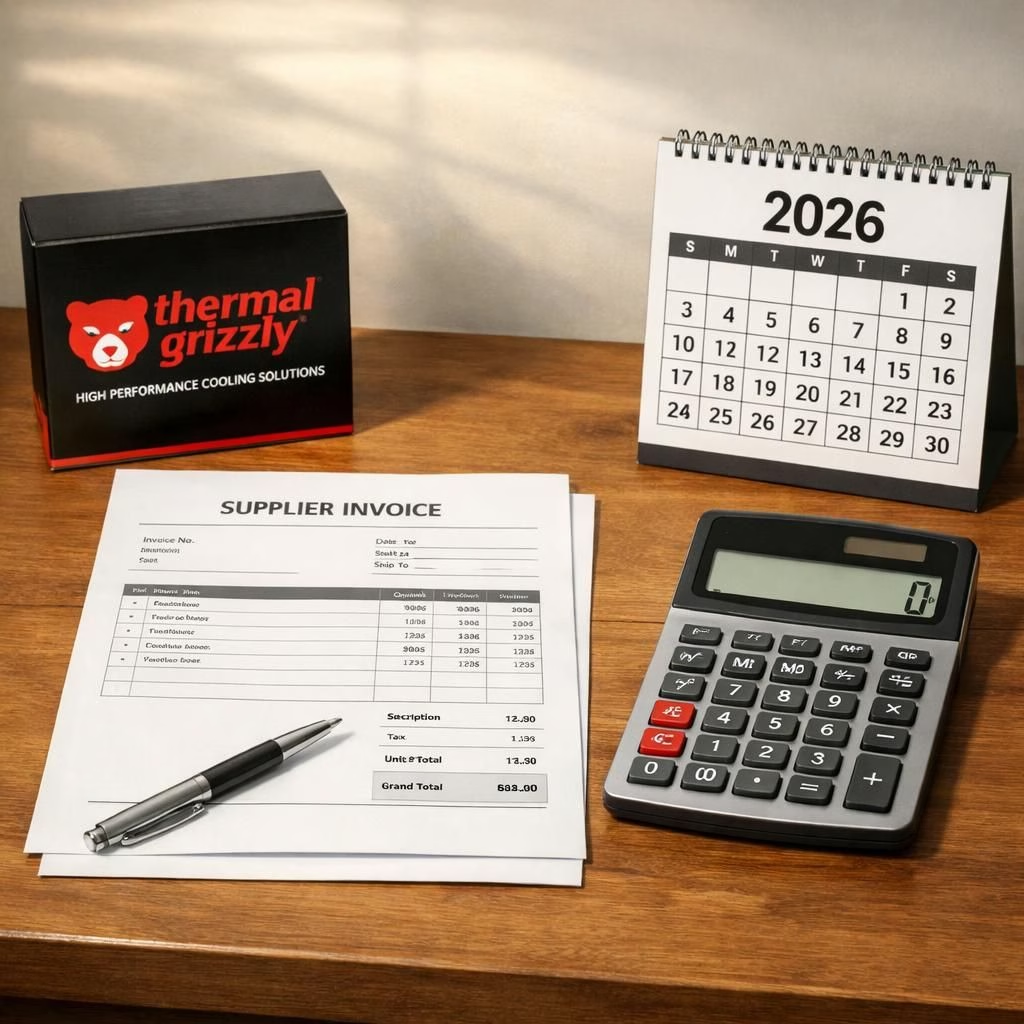
During 2026, Thermal Grizzly faced unexpected delays after the company was targeted by two scams involving raw materials worth €40,000, a cautionary tale for the SupplyChain and enthusiasts alike.
In plain terms, bad actors exploited gaps in procurement. The scams involved fake invoices and altered supplier documents, enough to freeze orders while the team ran investigations. The €40,000 figure is not a rounding error; it’s a real stake for a company that ships cooling solutions to hobbyists and professionals alike. After the events, Thermal Grizzly paused parts of production to verify supplier legitimacy, trace where funds ended up, and rebuild trust with partners. The goal was to prevent a repeat of the same ol’ mistakes without overreacting and choking innovation. The story quickly moved from a technical hiccup to a cautionary tale for anyone who buys heat conductive compounds or related hardware. The brand, Thermal Grizzly, used the pause to strengthen checks and keep customers informed about what was changing. Meanwhile, the SupplyChain risk management conversation grew among builders who depend on stable deliveries.
Thermal Grizzly delays: what happened and why it matters
From the outside, the disruption looked like a straightforward production hiccup. Internally, the company needed to adjust procurement practices, confirm the integrity of shipments, and align production calendars with a tighter security belt. The team adopted more stringent supplier verification, increased traceability of materials, and revised payment workflows so deposits arrived only after clear verification. While many users won’t see the backroom risk management, it matters because every delay ripples outward. Engineers waiting on heat transfer paste and cooling blocks pace themselves differently when the production line slips by a week or two. The consequence is not a catastrophe, but a reminder that resilience lives in disciplined planning and transparent communication rather than bravado.
- The scams followed a familiar pattern: impersonating legitimate suppliers and altering paperwork to look authentic.
- Fake documents slowed verification, making it harder to confirm what actually moved through the system.
- Payments were scrutinized more closely as investigators traced diverted funds and fake vendors.
- Production schedules shifted, affecting both stock levels and delivery commitments to retailers and end users.
The delay’s impact extended beyond the factory floor. Enthusiasts waiting for heatsinks, pastes, and cooling blocks faced longer lead times. Small teams and solo builders felt the ripple effects in project timelines and budget planning. Yet the team stayed focused on containment, transparency, and learning from the misstep rather than blaming one person or one department. The goal was not to sensationalize the setback but to turn it into a teachable moment for the broader hardware community. This experience underscores that even well-regarded brands must treat procurement as a core risk area and not as an afterthought. For those managing the SupplyChain, the lessons translate into practical steps for continuity.
SupplyChain lessons from a scam: how to navigate delays
The core takeaway is practical and repeatable. Diversify suppliers whenever possible, so a problem in one lane doesn’t stall the entire pipeline. Build buffer stock for critical components, and set up escrow-like terms for large payments until shipments are verified. Improve documentation and create audit trails that let finance verify every step. Communicate early with retailers and communities when delays happen, offering accurate timelines rather than hopeful guesses. This case also shows the value of cross-checking invoices against contract terms and maintaining relationships with multiple vetted vendors. The broader lessons apply to hobbyists who order heatsinks, thermal compounds, fans, and other gear—it’s not only about price but also about reliability and predictable delivery. The takeaway for the audience is simple: assume risk, plan for it, and keep your projects moving with a clear plan B. In the end, even the most admired brands face these tests, and the ones that survive are the ones that stay curious and careful and keep the lines of communication open.
Ultimately, Thermal Grizzly and the broader SupplyChain community learned that resilience comes from better vetting, diversified suppliers, and transparent processes. What do you think about how this was handled? Do you have experiences of supplier surprises in your projects? Share your thoughts in the comments below.
Source attribution: Special thanks to VideoCardz.com for the original reporting on this story. Read the original article here: VideoCardz.com original article.
External resources
References
Source linkback: https://videocardz.com/newz/der8auer-explains-thermal-grizzly-delays-after-company-was-scammed-twice-on-raw-materials-worth-e40000