

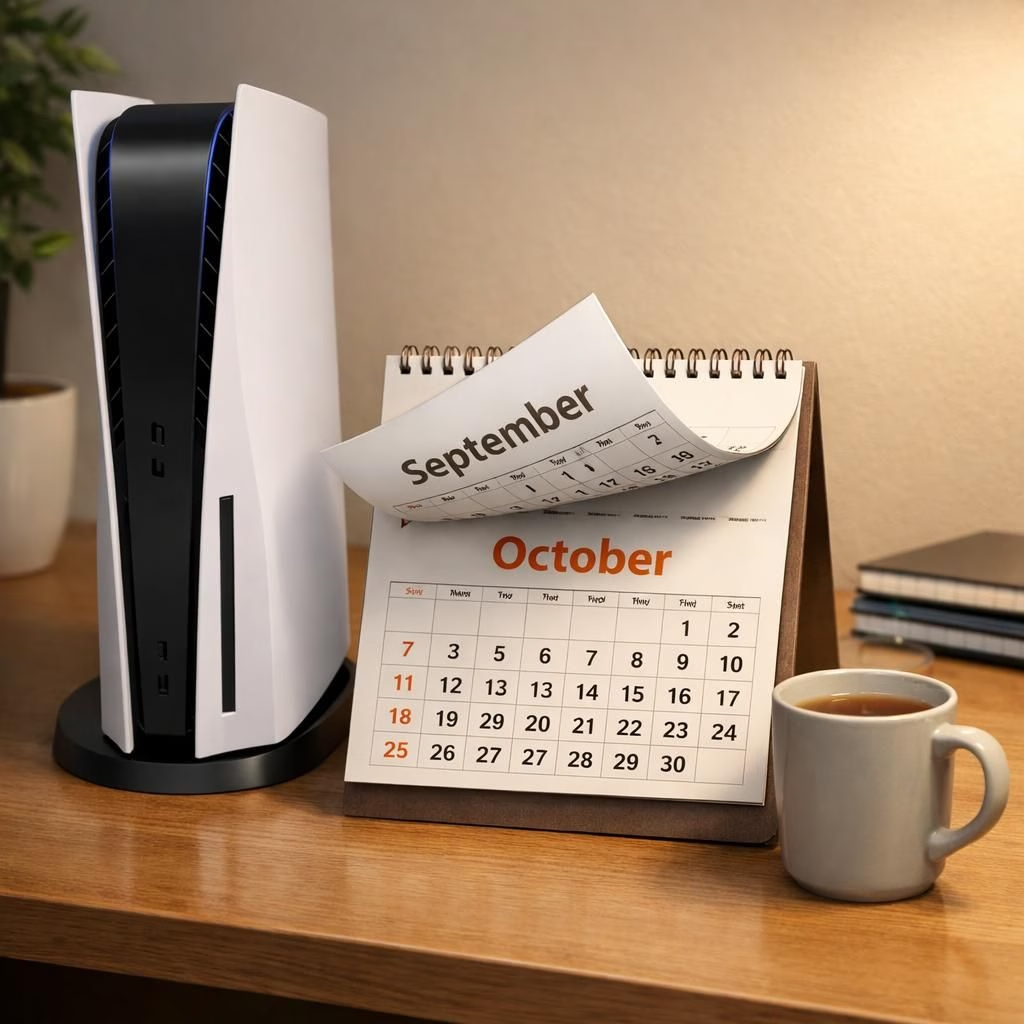
PS5 delays are reshaping a fall calendar that finally breathes. As studios slide from the September crush to an October release window, players gain time to savor demos, patches, and a little extra coffee.
Push Square has confirmed the first PS5 game delay out of September 2026, and outlets like Kotaku, Variety, and Rock Paper Shotgun flag a ripple effect across the release calendar. In plain terms, a big title is slipping into October release to avoid the September crush, a choice that matters far beyond a single weekend. The conversation from Push Square, Kotaku, Variety, and Rock Paper Shotgun converges on a simple truth: a crowded fall season benefits from thoughtful nudges rather than a calendar crash. It’s a calendar-nerd’s dream to see October ease the squeeze, and PS5 delays are a strategic adjustment that respects both creators and players, with a dash of optimism baked in.
PS5 delays: Why the wait makes sense for players
Let’s be honest: early September is a gauntlet. A single big release can spark a flood of chatter, preorders, and day-one patches that crowd the scene. The decision to move a game from September to October release is less a sign of failure and more a sign of careful attention to quality. With a few extra weeks, teams can squash bugs, polish visuals, and refine accessibility so the game ships complete, not only ambitious.
Developers deserve time to deliver a product that looks good, performs reliably, and respects players’ time. The October release window delivers a calmer QA cycle, localization, and UI iteration without the adrenaline of back-to-back mega launches. In this light, PS5 delays become a strategic rotation that keeps the lineup fresh and enjoyable for the long haul.
October release: Turning a crowded calendar into a measured rollout
October becomes more than a calendar shift; it’s a crafted lane where players set expectations and developers orchestrate smoother rollouts. A measured October release helps consoles, PC launches, and streaming platforms align, reducing version mismatches, server strain, and the dreaded patch-day deluge. It’s like scheduling a concert where traffic actually flows: the audience arrives, the performers aren’t rushed, and the encore feels earned rather than manufactured.
In practical terms, this means more robust day-one patches, clearer patch notes, and better accessibility options that aren’t feasible with a sprint calendar. Publishers can coordinate preloads, store listings, and cross-platform marketing without the last-minute chaos that often accompanies a rushed launch. The shift isn’t a delay; it’s an opportunity for a more polished experience that respects the consumer’s desire to actually enjoy the game rather than chase a moving target on the calendar.
For fans who follow the industry closely, this shift is a reminder that game development is a marathon with a few sprint moments. Pacing matters, and public betas, demos, and community feedback loops yield better launches. The October release window creates room for those iterations, ensuring experiences appeal to players chasing a Soulslike vibe, a blockbuster, or a hybrid of both.
To gamers, this isn’t a plea for patience as a virtue trophy. It’s an invitation to trust the process: better performance, cleaner launches, and more meaningful content without the fear of stepping into a crowded September melee. The October release cadence offers a calmer fall and a chance for publishers to tell richer launch stories—featuring accessibility improvements and more robust testing that benefits everyone with a controller in hand.
Two quick practical tips for navigating the switch: plan your download queues and set realistic expectations. If you’re juggling multiple October release titles, group your preloads to avoid bandwidth bottlenecks, and consider the patch cadence—some games ship strong at launch but improve in the weeks after with patches and DLCs. Check official notes, because October is when developers reveal quality-of-life tweaks that can save players from fiddling with forums over bugs that never appeared in trailers.
In sum, the shift from September to October release isn’t a dramatic plot twist so much as a strategic choice that improves the overall experience. It eases hype and gives studios room to breathe, test, and polish. It gives players a fair chance to dive into new worlds with time to enjoy the ride, rather than sprint through a crowded calendar and miss the best details. PS5 delays, when framed this way, signal that the industry cares about the player journey—and optimism can be as potent as any patch note.
We’re curious what you think about this scheduling shift. Do you welcome the October release, or do you prefer a faster pace? Share your thoughts below and join the conversation about how calendar planning shapes your gaming year.
Original reporting courtesy of Push Square: The First PS5 Game Delay Out of September 2026 Has Been Confirmed. A big thank you to Push Square for the original reporting and thoughtful cross-checks that inspired this piece.