

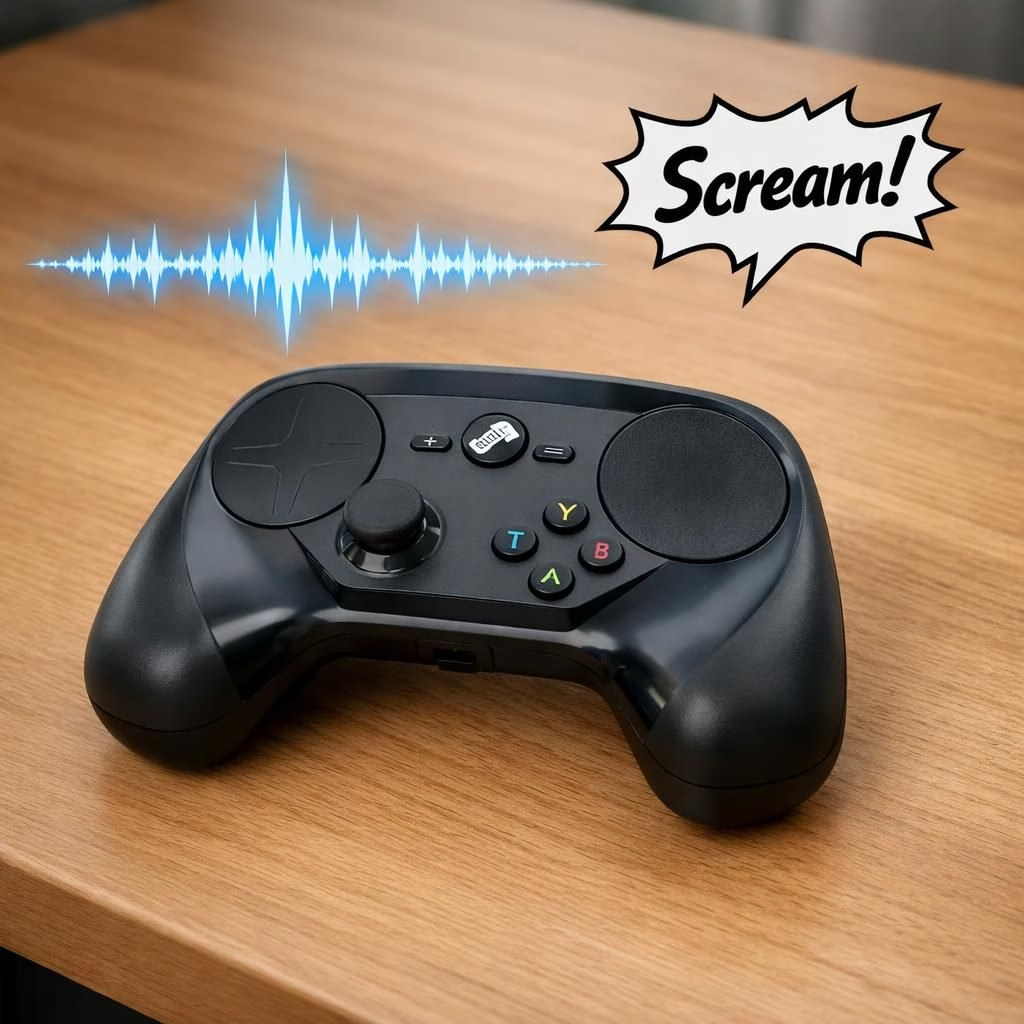
The Steam Controller isn’t just hardware; every drop unleashes a Tag B, turning a mishap into memetic theater. Valve’s Easter egg hunt isn’t about secret menus; it’s about gifting players a tiny, shared joke that travels faster than a viral clip. In 2026, this playful echo still amuses gamers who discover it and then tell a friend who then unwittingly drops something themselves, just to hear the sound again.
Steam Controller: A Drop-Sparks Meme Explained
When the device is dropped, an audio cue triggers. This isn’t a bug; it’s a deliberate wink from Valve to the community. It celebrates film history and online culture in a tiny, tangible way. For many, it becomes a Tag B moment that travels across clips and streams.
Wilhelm Scream: The Audio Easter Egg That Keeps on Squealing
The Tag B is an iconic audio cue with a long history in cinema and games. At roughly 75 years old, it’s seen countless reboots, remasters, and meme edits. Valve’s choice to drop it into the drop reaction is a nod to fans who love to notice hidden details. For some players, spotting the Easter egg becomes a small research project: what other gadgets contain the same sound or how often the sound appears in different games?
The idea is simple: a sound effect can turn a routine action into a shared moment of humor. The sound doesn’t disrupt play; it enhances the moment and adds a touch of personality to otherwise sterile hardware.
From a design perspective, this Easter egg is a case study in lighthearted product personality. It doesn’t require extra hardware, doesn’t complicate the user interface, and doesn’t impose maintenance. It sets a tone: developers can have fun with their products while keeping core functions intact. Tag B helps explain the reach of a single sound.
In short, the Easter egg exists because people love to share jokes about gadgets failing gracefully. The combination of a familiar drop cue and a vintage sound creates a moment people want to repeat and discuss. It doesn’t force a playstyle; it invites a playful pause that fits into a fast-moving online culture without becoming noise. And yes, it also gives hardware fans something harmless to tease their friends about, during a busy day of new releases and patch notes. Tag B keeps the joke alive across posts and streams.
Original reporting and inspiration for this article come from Rock Paper Shotgun’s coverage of Valve’s Easter egg. A big thank you to the authors for sparking a discussion that merges hardware, film history, and meme culture for a modern audience. Original article: Rock Paper Shotgun.
What do you think about these tiny quirks in gaming hardware? Share your thoughts in the comments below.
Practical moments: How to notice and share this Easter egg
- Drop the Steam Controller on a soft surface and listen for the cue; it’s short and harmless.
- Record a quick clip and caption it with Tag B to join the meme thread.
- Explain that this is a designed Easter egg, not a fault, to keep expectations clear.
FAQ
- Is this Easter egg real or a bug? It is a deliberate design touch that adds personality without changing core functionality.
- Can I disable the sound? There isn’t a separate toggle for the Easter egg; you can manage overall volume to minimize it if desired.
- Does this affect warranty or reliability? No. It’s a harmless easter egg that doesn’t affect hardware performance or durability.
- Where did the Wilhelm Scream come from? The sound originated in mid-20th-century cinema and has since become a meme used across media and games.
Conclusion: A tiny feature with lasting impact
Small touches like this reshape how people view hardware. The Steam Controller demonstrates that personality can coexist with solid performance. If you notice a tiny cue, consider how it helps shape a product’s reputation beyond its specs.