

The Steam Controller pricing chatter is back in the limelight, and the buzz around the Steam Controller is louder than a late-night match lobby. This year, pricing talk isn’t just about dollars; it’s about Valve’s strategy, bundle potential, and whether a clever input device becomes essential or just fondly nostalgic. In 2026, every Steam Controller leak about pricing echoes through forums, news feeds, and family group chats. The Steam Controller is cool again, and the price tag is part of the show. pricing chatter, while fun, also has real consequences for early adopters who balance curiosity with budget checks.
Steam Controller pricing: Leaks meet skepticism
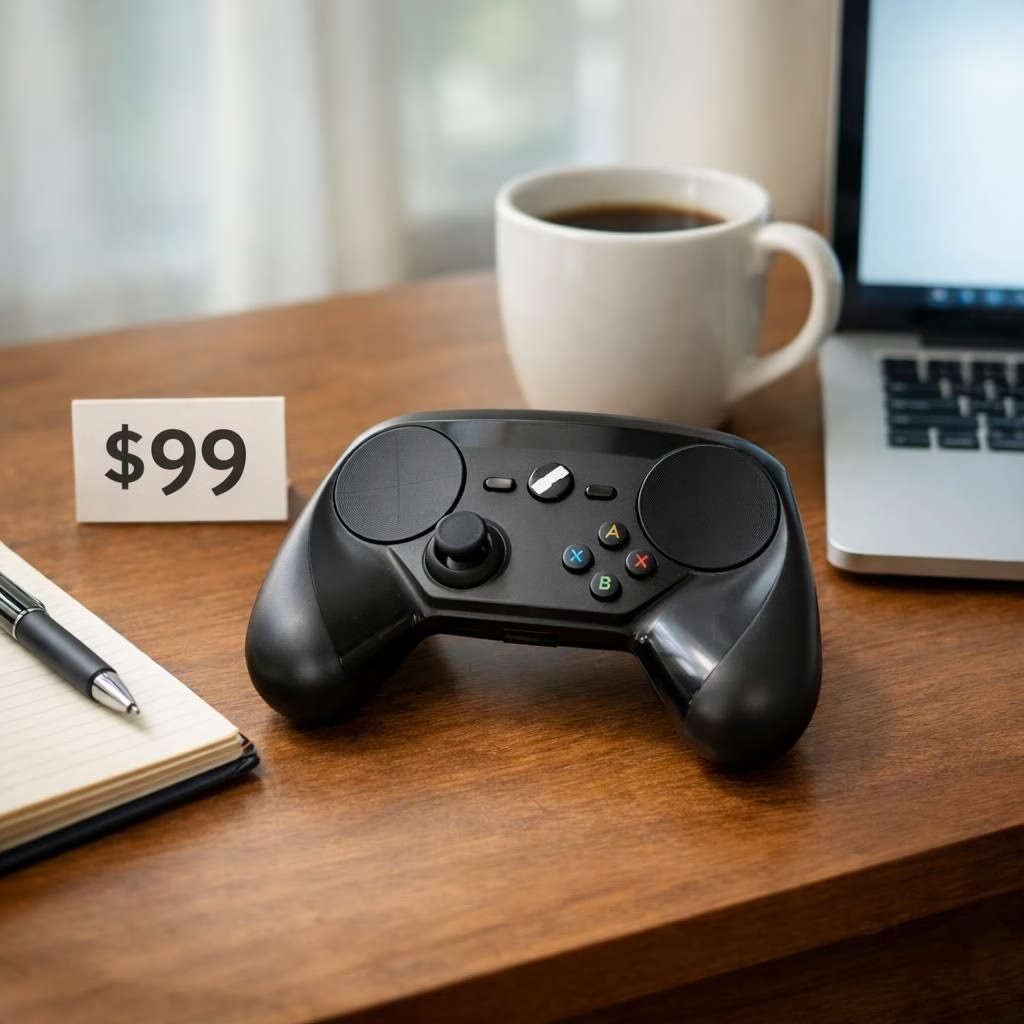
Rumors swirl about a release window and a pricing tag that would prompt a double-take from both bargain hunters and serious enthusiasts. Early reviews float a figure around $99, a pricing that is bold enough to spark dialogue and cautious enough to invite critique. The pricing narrative isn’t a guarantee, but it nudges the conversation toward value, firmware expectations, and the all-important question: what does the software layer add to the hardware experience? Valve may lean on Steam Input, flexible button mapping, and a robust accessory ecosystem to justify the cost. Even if the number shifts, the discussion helps gamers imagine how a new control scheme could fit into a wide range of setups—from PC towers to Steam Deck-powered dorm rooms. The overall takeaway is simple: pricing is a signal, not a verdict, and it invites feedback from the community about what constitutes good value for a modern control device.
- Bundles with games or accessories could soften the pricing shock and improve perceived value.
- Software features like advanced macro mapping and profiles add long-term utility beyond the box, justifying the pricing.
- Distribution considerations—availability windows and regional pricing—could influence early adoption trends.
Steam Controller realities: What the numbers could mean in 2026
Assuming the rumored pricing lands where the chatter places it, the Steam Controller could sit at a tier that invites apples-to-apples comparisons with traditional gamepads and the Steam Deck. The critical question becomes: does this pricing open genuine innovation, or does it demand compromises elsewhere? The value often lies in Steam Input versatility, comfort during long sessions, and the ability to map complex actions to a single device. If pricing hovers near $99, enthusiasts may welcome accessible entry into deep customization. If it creeps higher, Valve could respond with bundles, longer warranties, or a richer catalog of compatible accessories. The discussion is not about a single number but about a coherent ecosystem that makes the hardware feel integral rather than optional.
What to watch as 2026 unfolds: pricing consistency across markets, the timing of the global release, and how third-party peripherals influence perceived cost. The right accessories can extend the life of the controller and make the pricing feel fair. The final verdict will hinge on practical performance—latency, grip comfort, and the depth of customization—more than on a headline figure alone. In short, the pricing conversation is about long-term value, not just the initial sticker.
Beyond dollars and sense, the conversation around Steam Controller pricing is also about design philosophy. Valve has historically favored clever software overlays and input schemes that can adapt to many genres. If the pricing invites a broad audience to experiment with mapping and macros, the controller could find a lasting niche. If the price is perceived as a barrier, Valve might lean into educational content, user guides, and intuitive presets to demonstrate value. Either way, the narrative remains constructive, with humor helping temper anticipation while staying grounded in practical expectations for 2026.
In all, leaks about Steam Controller pricing are a catalyst for thoughtful discussion about hardware, software, and how communities negotiate value. The light-hearted chatter keeps spirits up, even as readers parse mini-analyses and speculative price charts. The goal is not to declare victory for one side of the argument but to illuminate what the pricing could mean for daily use, long-term owning costs, and the evolving landscape of PC gaming controls in 2026.
Have thoughts on Steam Controller pricing? Share your perspective in the comments and tell us whether the rumored pricing would change how you game, or if you’re waiting for more solid details before you decide.
Original article: Thank you to the original source for the reporting on Steam Controller leaks.
Practical steps for evaluating the Steam Controller
- Check bundled offers: see if Microsoft or Steam discount bundles that include games or accessories affect the overall value.
- Assess software depth: test how deep Steam Input mappings and profiles can go for your preferred genres.
- Consider regional availability: regional factors can shift the real cost of ownership over time.
FAQ
- When will the Steam Controller release? Official dates are still unclear; expect regional and platform-specific windows.
- Is $99 a fair price? It depends on how much value you place in customization and compatibility with your setup.
- Will there be a warranty? Valve typically offers a standard warranty, with longer options available through bundles.
- How does Steam Input compare to other controllers? Steam Input excels in mapping complexity and genre flexibility, especially for PC use.
Takeaway: what this means for your setup
For gamers eyeing a fresh control scheme, the discussion around pricing frames what you gain versus what you give up. A thoughtful ecosystem—strong software, practical accessories, and measured availability—can shift pricing from a sticker shock moment into a durable reason to adopt. Valve’s track record with Steam Input suggests the potential for a unique, long-term value proposition if the hardware hits a sweet spot for comfort and customization.