

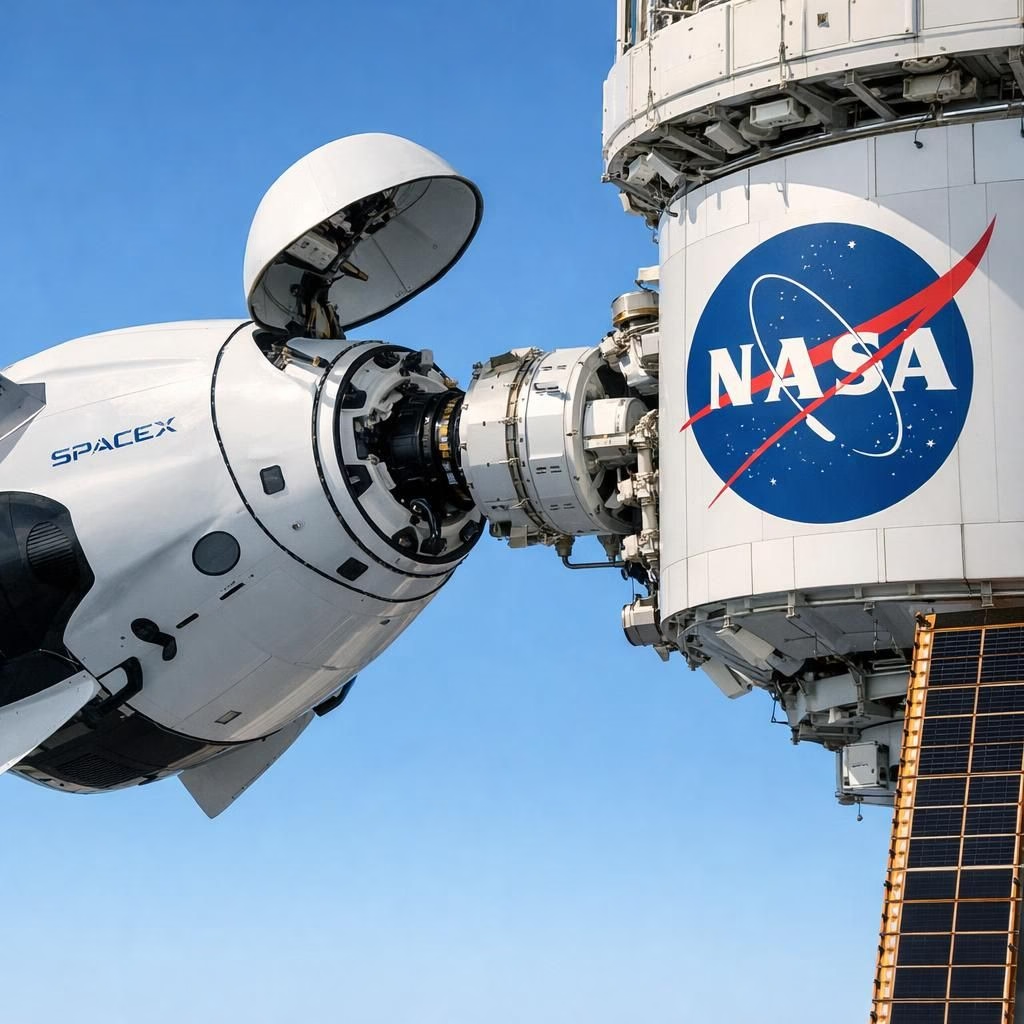
When NASA announced an expansion of its commercial crew contract, the space industry sat up. SpaceX came away with more missions, and NASA breathed a sigh of relief, albeit with a schedule chart in hand. The gist is simple: Boeing’s Starliner hasn’t yet earned the official stamp of certification, so NASA leaned on SpaceX to keep astronauts riding safely to the ISS and back. This isn’t a fashion choice; it’s a strategy. SpaceX has delivered a reliable launch cadence. NASA likes the numbers. The public appreciates fewer delays at the end of the day. The arrangement shows NASA‘s trust in SpaceX’s capabilities, while acknowledging that the pipeline must stay robust even if one partner falters. SpaceX appears ready to scale up. NASA remains vigilant. Both parties commit to the long game with a shared passion for human spaceflight. The net effect is that SpaceX gains six additional missions under the commercial crew umbrella this year, reinforcing NASA‘s commitment to a diverse, resilient flight program with SpaceX in the lead role. The ‘why now’ question has a practical answer: Boeing certification delays forced NASA to adjust the mix, ensuring the crew schedule stays on track in 2026. NASA‘s move respects safety, cost discipline, and the principle that reliability matters more than heroics in headlines.
SpaceX Gains Six Missions Under NASA Expansion
The plan moves SpaceX onto a steadier cadence, with six additional crewed missions expected through the year. It also strengthens NASA‘s ability to rotate crews on a reliable timeline, a critical factor for station operations and science work. The NASA-led program continues to prioritize safety and cost discipline, mirroring a broader push to diversify access to the station while maintaining strong oversight from NASA.
Practical implications for SpaceX and NASA decision-making
- Training and turnover timelines become more predictable for SpaceX crews.
- Boeing’s Starliner certification remains underway, ensuring NASA retains a backup path.
- The expanded contract supports cost discipline by spreading risk across partners and avoiding last-minute schedule scrambles.
FAQs
- Why did NASA expand the SpaceX missions instead of relying solely on Starliner?
- Certification delays for Boeing’s Starliner have pushed NASA to rebalance the mix so that crew rotations stay on schedule through 2026. For NASA, stability and safety come first.
- What is the status of Starliner?
- Starliner certification remains in progress. NASA continues to monitor progress and maintain redundancy to protect crew flow, prioritizing safety.
- How might crew assignments change?
- Assignments could shift to preserve coverage across missions, but overall the schedule aims to stay on track without compromising safety. NASA remains the guiding authority.
- What should readers watch for next?
- Keep an eye on 2026 calendar updates and any statements from NASA and SpaceX about mission dates and backup plans.
Conclusion: Takeaway
In short, the six additional missions strengthen a diverse, reliable path for human spaceflight. SpaceX steps into a lead role that aligns with NASA‘s emphasis on safety and disciplined cost control, while Boeing’s Starliner remains under certification review. Expect ongoing updates as plans firm up for 2026 and beyond.
References
Original source: https://www.teslarati.com/spacex-nasa-contracts/
External sources:
- SpaceNews: NASA extends SpaceX commercial crew contract
- NASA Commercial Crew Program
- SpaceX Newsroom